

Vientiane Travel Guide: Slow Days on the Mekong
I will be honest with you: Vientiane was never on my Laos itinerary. I flew in expecting a brief stopover on the way south, and five days later I was still there, deciding daily whether to leave. The capital of Laos is not a city of monuments stacked on monuments or nightlife that keeps you wired past midnight. It asks for nothing from you, and that is exactly what makes it hard to pull away from.
Why Vientiane Feels Different
Bangkok and Hanoi push themselves at you. Vientiane does the opposite. The streets are wide and calm, the traffic is polite, and the Mekong rolls along the western edge of town while Thailand sits a short boat ride across the water. I kept expecting the pace to change, a city like this to eventually throw a loud evening at me, and instead every night simply wound down. By the end of my visit I had stopped planning and started drifting, which is the only way I think this place is meant to be done.
Getting There and Getting Around
Most visitors arrive by plane at Wattay International, ten minutes from the center. I came overland from Vang Vieng and took the newer express train, which has made the trip so quick that I almost apologized to the friends who still get nostalgic about the old bus route. Within the city, walk everywhere you can. Everything that matters sits along or near Thanon Setthathirath and the riverside, and a rental bicycle or a tuk-tuk ride of a couple of dollars covers the rest.
What to See Without Rushing
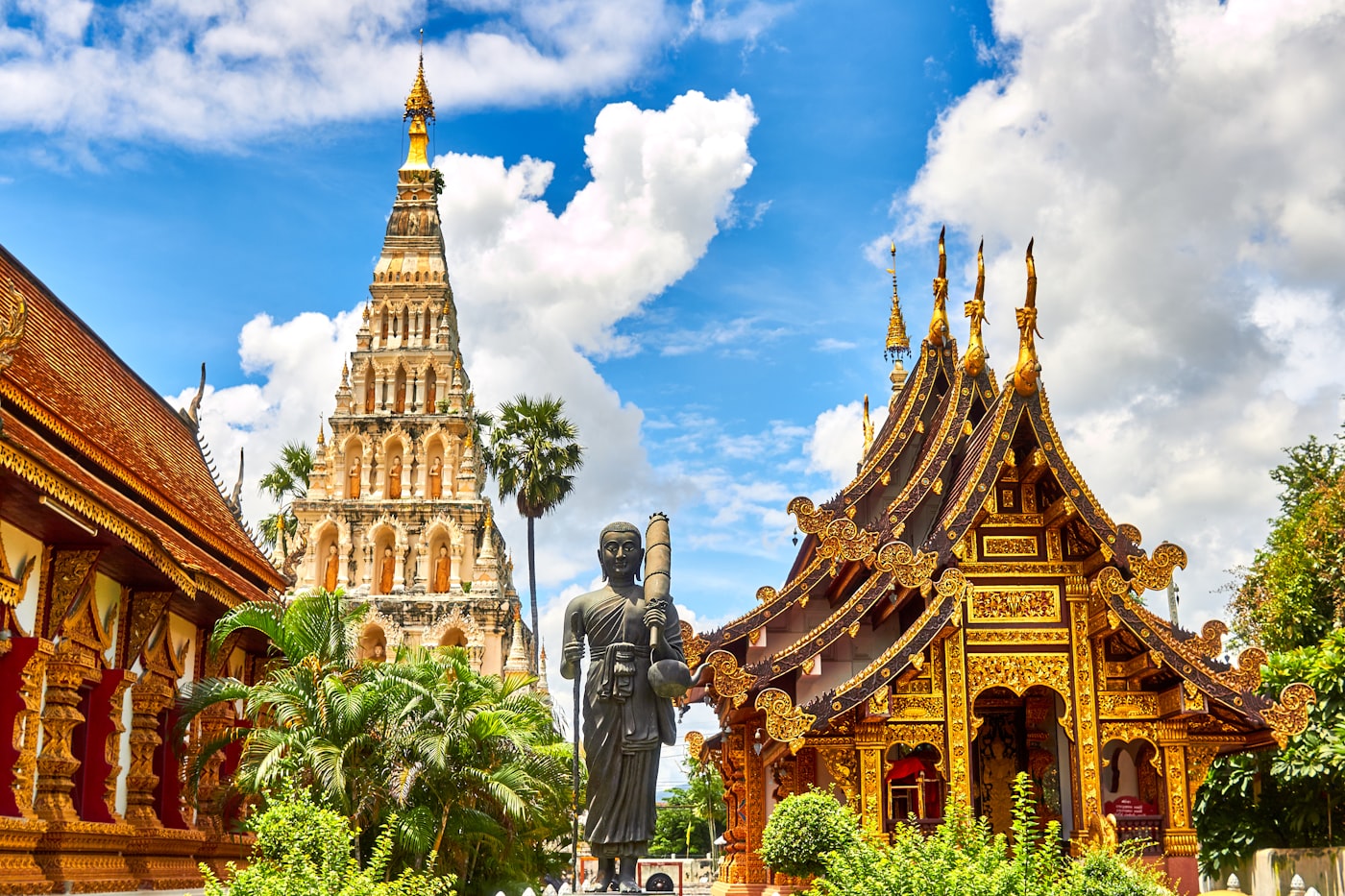
Pha That Luang is the image everyone knows, the golden stupa on the banknote, and it is worth the ride out of the downtown loop for the quiet it holds. The Patuxai arch looks like a Parisian victory monument until you notice the Laotian motifs carved into it, and you can climb it for a view that stretches to the river. For temples, Wat Si Saket is my favorite because it survived the nineteenth-century sacking of the city, leaving it with over six thousand Buddha images and a courtyard that feels older and calmer than anywhere else in town. Wat Ho Phra Keo next door is more museum than working temple now, but the grounds are a fine place to slow down.
The Riverside and Its Own Time Signature
Come evening the whole city drifts to the Mekong promenade. The benches fill with families and couples, and hawkers walk the path selling fruit, handmade bags, and cold drinks. I sat there one night and watched the sun drop behind Thailand, the sky turning the kind of orange that phone cameras never quite catch, and for the first time in weeks I had nowhere to be and felt fine about it. The night market near the Chao Anouvong statue is a little repetitive after a day, but the river view makes it worth one slow lap.
Where to Eat
Laotian food deserves more fame than it gets. Start with laap, the minced meat salad that is the national dish, and look for a bowl of khao piak sen, the thick noodle soup that locals swear by as an antidote to a slow morning. I ate my best meal of the trip at a tiny riverside place that served grilled Mekong fish wrapped in banana leaf, nothing fancy, just honest food eaten slowly among regulars. For coffee and a laptop-friendly afternoon, the streets around Nam Phu fountain are full of cafes where time stops moving. And if you cross into Thailand for a day, remember the ferry boats run from the Morning Market area, not from the main ferry port.
Where to Sleep
Pick a guesthouse near the river or the center and you will be within walking distance of almost everything. I stayed in a simple riverside room with a balcony overlooking the water and considered the whole arrangement a fair trade for the lack of a pool. Budget rooms start cheap, and the mid-range options along the river give you sunrise over the Mekong without paying Bangkok prices for it.
When to Go and How Long to Stay
November through February is the sweet spot, when the air is dry and the heat is manageable. I visited in December and the days were warm without being punishing, which made long walks through the temple grounds easy. Give the city three days minimum. Two days works if you are pressed, but Vientiane rewards the traveller who stops trying to see it and just lives in it for a while.
The Last Word
I came to Vientiane expecting a gateway and found a place to rest. It will not exhaust you with sights, and it will not siphon your money the way louder capitals do. What it gives instead is the rare luxury of a city that never once made me feel rushed. If you let it, Vientiane will slow you down too, and I suspect you will be glad it did.



