

Tuvalu Itinerary: Three Slow Days on a Pacific Atoll
I have planned a lot of trips in my time, laid-out schedules with every hour accounted for and backup plans for the backups. Tuvalu taught me to throw that notebook away. This is a country that runs on island time, where the lagoon sets the pace and a good conversation can sweep an afternoon away. Still, I wanted a loose frame to hang the days on, so here is the itinerary I followed, with room to breathe around every stop. It works for a three day visit and can stretch comfortably longer.
Day One: Arrive in Funafuti and Walk Fongafale
My first day began the moment the little plane touched down on Funafuti’s coral runway, which trims the whole width of the capital islet. After settling into my guesthouse, I set out to explore Fongafale. I walked the main road through Vaiaku, past the government building, the courthouse, and the small cluster of shops. The pace was gentle and everyone I passed had time to greet me. I ended the afternoon with a swim in the lagoon, letting the warm water wash the travel tiredness away, and then joined my hosts for a dinner of fresh fish and rice.
Day Two: Snorkel the Funafuti Conservation Area
The highlight of my trip came on day two. I arranged a local boat to take me across the lagoon to the Funafuti Conservation Area, a protected chain of six islets. I paid the access fee, which supports the rangers, and spent the morning snorkelling over coral alive with fish in colours I did not know existed. After a packed lunch on the sand, I wandered among the nesting seabirds and let the afternoon slow all the way down. For a break from the sun, I hiked the main islet in the late light to find the World War II relics, including an old gun emplacement, still half lost in the bush.
Day Three: Lagoon Swims, Local Market, and Sunday Life
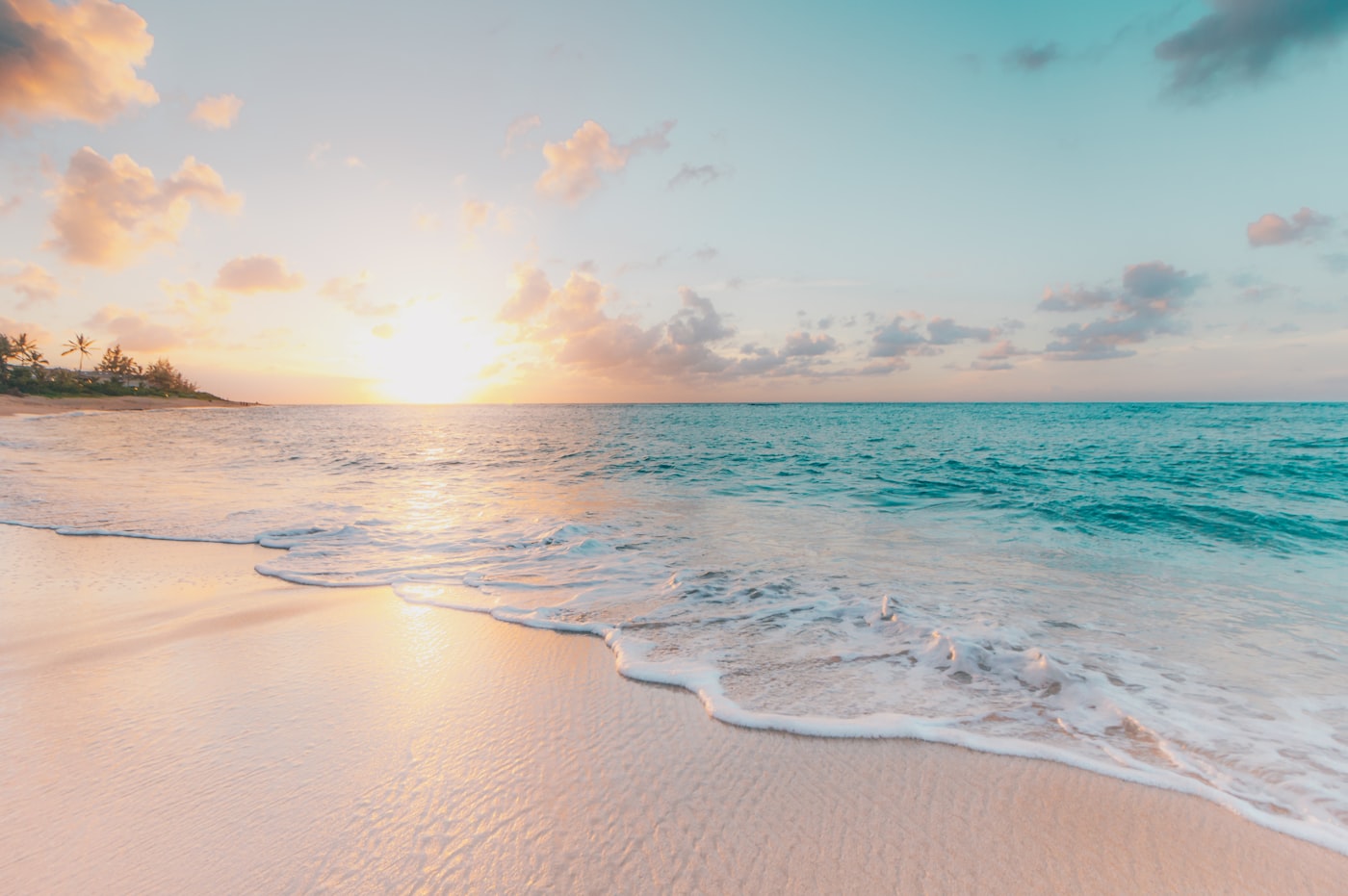
My third day depended on the calendar. If your visit lands on a Sunday, plan nothing at all, because the whole capital gathers for church, dressed in beautiful matching fabric, and the singing is one of the great experiences of the Pacific. On a weekday instead, I visited the market area where women sell fresh catch, breadfruit, coconut, and the local speciality pulaka, an earth baked swamp taro. I snacked, she bought a roasted fish, and we ate it by the water. The afternoon was for my favourite pastime: finding a quiet ocean-side stretch of beach and doing absolutely nothing but watching the surf roll up the reef.
Where to Stay and What to Pack
Keep your expectations humble because there are no grand hotels here. I stayed in a family-run guesthouse with a fan-cooled room and home-cooked meals, and I would choose that again over any chain. Pack light, loose cotton clothes, reef shoes for the coral, a mask and snorkel if you have them, a wide hat, and, most importantly, cash in Australian dollars, because cards and ATMs are nearly useless. Bring a light rain layer too, since tropical showers can roll through at any time.
Eating Well in Funafuti
Meals here are simple but memorable, and worth planning around. Nearly everything comes from the lagoon or the few gardens, so expect fresh fish, coconut, breadfruit, and the swamp taro dish called pulaka, often baked slowly in an earth oven. My hosts served a dinner of grilled reef fish with rice and coconut cream that I still think about. Ask your guesthouse to cook for you, or buy straight from the market and let the food become another part of the experience. Wherever you eat, the flavours are honest and satisfying.
Practical Notes for a Smooth Trip
Two things will make or break this itinerary. First, book your limited Flights from Fiji early and leave slack in your schedule, because weather and aircraft can shift things around. Second, stay flexible with boats if you dream of reaching the outer atolls like Nanumea or Nanumanga; those trips depend on ad hoc schedules and calm seas. Within Funafuti you will need no transport at all, just good shoes and a willingness to wander.
Beyond Three Days
If you can spare more time, Tuvalu is one of those rare places where more is genuinely more. Add a day or two to relax into the rhythm, take a boat to a deserted islet for a private picnic, learn to fish with the locals, or head out to an outer atoll for a homestay that will change how you see the world. Three days gave me the measure of this remarkable little nation. A week would have let me fall in love with it even deeper. Whatever your window, come slow, carry cash, and let Tuvalu set the pace, because it has been perfecting that rhythm for a very long time.



