

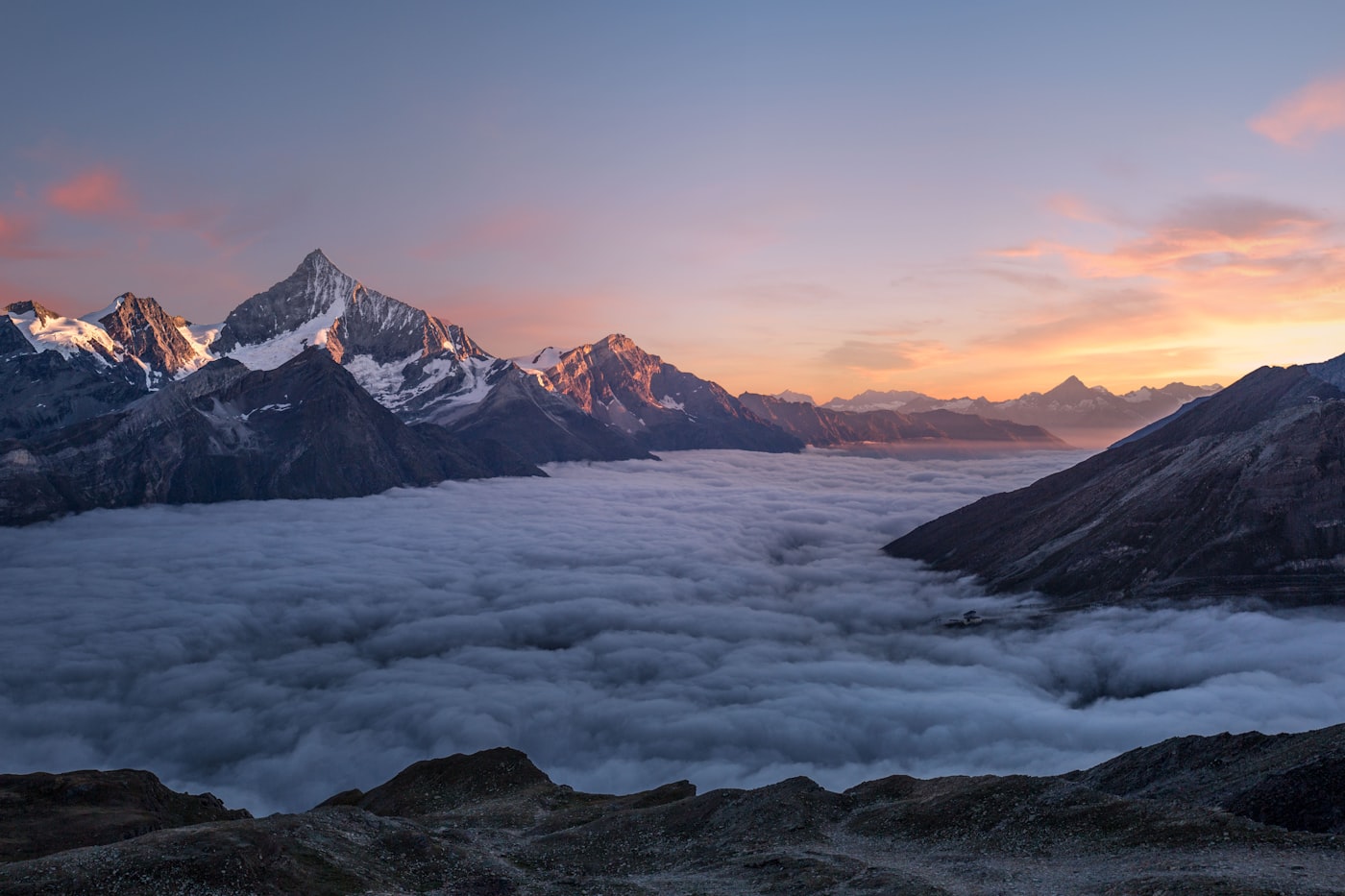
The Faroe Islands are a wild, green dream between Iceland and Norway. Let me count down my ten favorite things to see and do here.
Overview
Eighteen dramatic islands rise from the North Atlantic, linked by tunnels and ferries. I have never seen landscapes this striking, raw, and peaceful.
When to Go
Summer from June to August brings the mildest weather and the most daylight. It is my favorite season for hiking remote mountain trails.
May and September offer fewer crowds and still reasonable conditions. Expect rain any time, so always carry your good waterproof gear and a light fleece.
Winter is dark and windy, better for storm chasing than sightseeing. The islands feel magical but demand serious preparation and warm layers.
Top Things to See and Do
Start with the cliff village of Gasadalur and its famous and dramatic floating waterfall. Mulafossur tumbles straight off the cliff into the ocean.
Hike to the village of Saksun and walk the incredible coastal valley. I loved the black sand and the calm, silent fjord below.
Visit the bird cliffs to see thousands of puffins and seabirds. The cliffs at Vestmanna are best reached on a guided boat tour.
Drive the winding road to the remote village of Gjogv, full of charm. The jagged gorge and colorful houses are famously photogenic for your camera roll.
Take a boat ride through the dramatic and raw cliffs of Vestmanna. Waves, arches, and seabirds make this my most memorable ocean outing.
Climb to the high Slaettaratindur area or Lake Sorvagsvatn viewpoint near the sea. Lake Sorvagsvatn looks like it floats above the Atlantic.
Soak in the famous remote Mykines island, where puffins nest in summer. Getting there takes a ferry, but the reward is well worth the boat journey.
Where to Stay
Base yourself in Torshavn, the capital, for the widest hotel choice. I found a cozy guesthouse with easy access to all the islands.
Cozy cottages and farm stays give the most authentic and lovely Faroese feeling. Many come with stunning views and a peaceful rural setting.
Villages like Gjogv and Eidi offer tiny guesthouses for a quiet stay. Book ahead in summer because beds fill up surprisingly fast.
Camping is possible in summer with the right warm and sturdy equipment. The wind is very strong, so choose sheltered spots carefully under the lee of a hillside.
Getting Around
A rental car is the best way to explore the Faroe Islands freely. Tunnels and causeways connect most islands for easy driving.
Public buses and ferries reach many villages on a small budget. I used them for some routes and found them reliable and scenic.
Driving here takes planning because the many single tunnel roads need care. Good drivers manage fine, but go slow in the frequent fog.
Food to Try
Try fresh local lamb, fish, and the fermented specialties that locals adore. Faroese food reflects a harsh, proud, and ancient island tradition.
Sample whale dishes if you wish, but know they stir strong debate. I preferred the fresh local seafood and hearty lamb stews on cold sea nights.
Eat at Torshavn restaurants for the best modern Faroese cooking. I found the local chefs talented, proud of their region, and happy to welcome visitors.
Daily Budget
The Faroe Islands are not cheap, so budget for about one hundred euros each planned day. See this budget guide for comparisons.
Safety Tips
Weather changes fast, so check forecasts and respect the powerful sea. Never stand too close to the cliff edges on gusty days.
Hike with proper boots, water, and a fully charged phone at all times. Fog can roll in without warning on any mountain trail.
Stay on marked paths and avoid the highest, most exposed ridges. Sheep may wander, but the true risks here are ice and wind.
Local Tips
Faroese people are friendly but reserved, so give them polite space. A smile and a few words go a long way with locals.
Pay with a card, because the islands are virtually completely cashless. I never needed cash during my entire trip around them, even for tiny purchases.
Look out for sheep on roads and drive slowly near tight hairpins. The grassy verges hide wet, slippery patches after heavy rain.
Respect bird nesting areas and follow all local wildlife rules. Protecting this fragile nature is central to local life now and for the future.
Day-by-Day Itinerary
Day one explore Torshavn and the nearby village of Kirkjubour. Day two drive to Gasadalur for the waterfall and the cliff views.
Days three and four hike around Saksun, Gjogv, and the Eidi cliffs. I spent these days soaking in the island scenery slowly.
Days five and six take ferries to Mykines and a Vestmanna boat tour. Finish with a relaxing coastal drive and a local feast.
Common Mistakes
Do not underestimate the wind, rain, and suddenly closing heavy fog. Pack really serious waterproof layers and always plan flexible days and a backup route.
Do not try to see all eighteen islands in one short trip. Pick the best stops and go slow to truly enjoy this wild place.



