

Tibet Travel Guide
I had planned the Tibet leg of my trip for months, and even so nothing prepared me for the scale of it. The altitude hit me the first afternoon, and the culture surrounded me from the moment I stepped into the first temple courtyard. Tibet is not a place you visit casually. It demands preparation, patience, and a willingness to move slowly, and it rewards all three with landscapes and traditions you will not find anywhere else.
Permits and Planning First
You cannot just grab a backpack and wander in. Foreign travelers to this region need special permits that are issued as part of an organized trip, and you usually need to arrange them through a licensed operator before you arrive. I would sort this out weeks ahead, because the paperwork rules can change and the last thing you want is a plan that falls apart at the border.
A word of caution on how you frame the trip. I found it important to respect that I was a visitor in a living culture, not just a hiking destination. Read up on local customs before you go, particularly around religious sites, because how you behave matters a lot here.
Dealing With Altitude
The elevation is the biggest challenge, and it is real. The plateau sits far above anything most of us are used to, and altitude sickness can affect anyone regardless of fitness. I flew in and felt the thin air within hours, with a headache and a shortness of breath that reminded me to slow down.
My advice is to build in rest days and take the acclimatization seriously. Drink plenty of water, avoid alcohol, and do not push yourself to move fast, especially in the first couple of days. I also reminded myself that the slow pace is part of the experience anyway, since the whole culture moves on a different rhythm than I was used to.
Where to Go
For most travelers the main points are the capital and a few major cultural sites. The capital city holds the most famous temple complex in the region, and that is where I started. The layout is impossible to miss and the atmosphere inside is intense, with pilgrims moving through the halls in a constant stream.
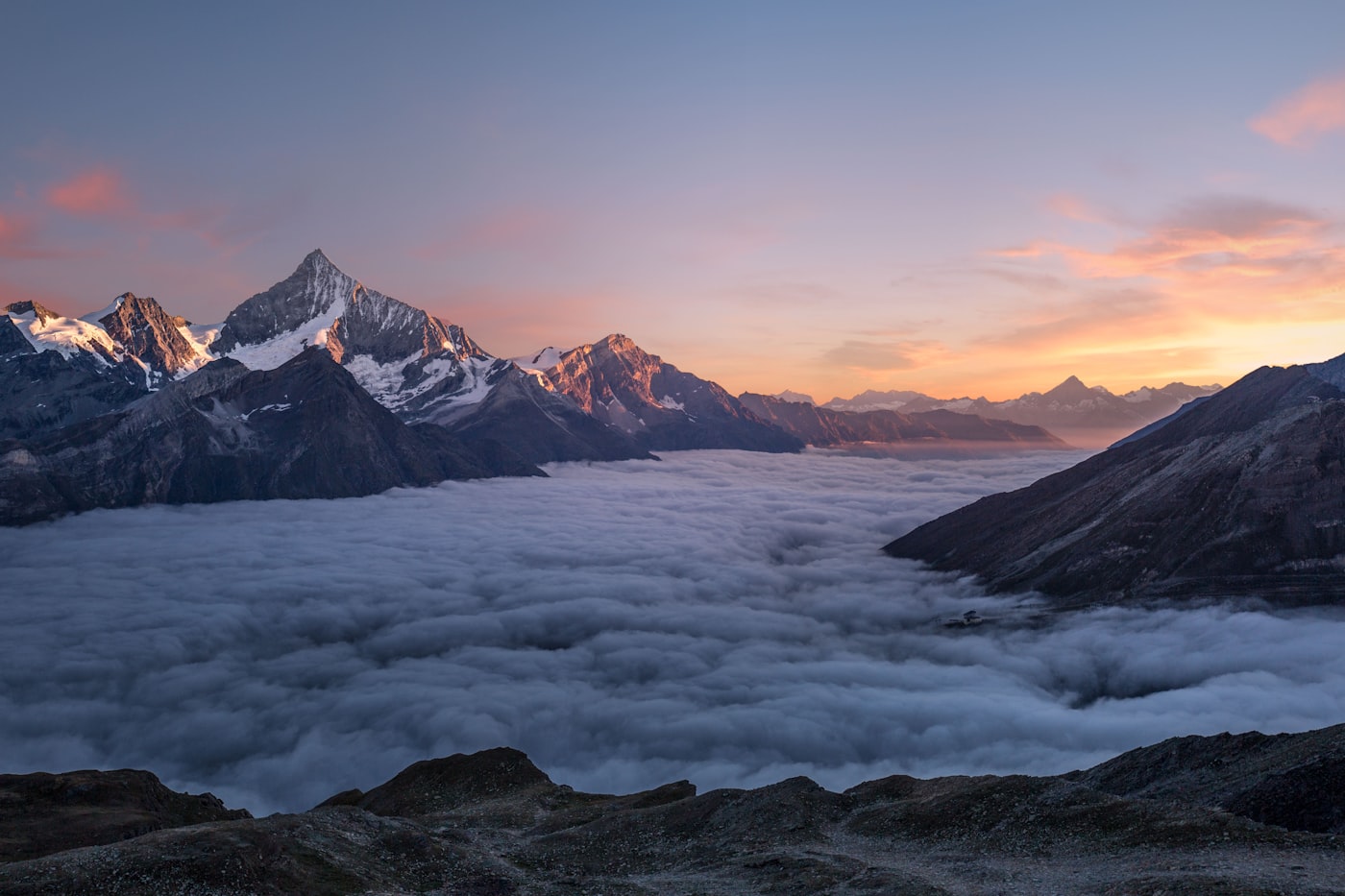
Beyond the city, the landscape takes over. On the way to smaller towns and lakes the scenery shifts dramatically, and the light on the high desert at sunset stopped me in my tracks more than once. I chose a route that stayed near the main sites rather than pushing for remote reaches, and I do not regret it. The distance between sights is huge, and the roads are long, so less is often more.
What to See and Do
Time your visit around the local calendar if you can, because festivals bring the streets alive with music and ceremony. I happened to be there near a pilgrimage period and even the quieter moments in the temple plazas felt layered with meaning.
The monasteries are the heart of the experience. I spent hours just watching the daily routines, the chanting, and the turn of the wheels. I also recommend a day out to a nearby lake, where the water and the mountains combine into a scene so clear it almost does not look real. The small villages along the way make good stops for a hot drink and a look at everyday life.
Packing and Practical Preparation
Getting ready for the altitude was as much about gear as it was about my body, and I learned a few lessons the hard way. Layers are essential, because the mornings can be cold even in summer and the afternoons warm up quickly. Strong sunscreen is vital, because the high sun burns fast, and I wished I had brought more lip balm and moisturizer for the dry air.
I also made sure to keep my first days gentle, with short walks and early nights. Some travelers I met wished they had planned a slower arrival or an extra rest day before chasing the big sights. My single best piece of advice is to under plan the first day or two and let your body find its footing before you fill the map with activity.
Learning the Local Customs
A little effort to understand the local way of life went further than I expected. I learned to walk clockwise around the religious sites, to keep my voice low inside the temples, and to ask before taking pictures of people, and every one of those small gestures made me feel more welcome. In the monasteries, watching how the pilgrims move and pray taught me more than any guidebook could. Tibet is a culture that values respect and patience, and when I matched that pace I found the experience far richer than when I treated it like a list of sights to check off.
Final Thoughts
Tibet asks for preparation and gives back perspective. I left tired from the altitude but genuinely moved by what I had seen, and I carry that trip with me in a way few others have matched. Go prepared, go slowly, and go with an open mind, and it becomes more than a checklist of sights. It becomes the kind of journey you measure other trips against.



