

Things to Do in Jebel Akhdar, Oman: The Green Mountain
Jebel Akhdar translates to the Green Mountain, and the name catches you off guard the first time you climb it. After hours of brown desert and dust, the mountain rises up and turns a deep, terraced green, threaded with fruit trees and fed by springs that feel almost impossible this close to the arid plains below. This is the roof of Oman, part of the enormous Al Hajar range, and it is a world apart. I spent a few days there walking the old irrigation channels and sleeping under the cold mountain stars, and I think it might be my favorite part of the whole country.
Walk the Rose Terraces
The mountain’s fame rests partly on its roses. Around the village of Al Ayn, and through the terraced slopes, the Damask rose is grown for its petals, which are gathered by hand in the spring and distilled into rose water. In March and April, when the harvest peaks, the whole mountain smells heady and sweet. Even outside that season, the terraces are worth walking. Step carefully along the ancient falaj channels, the gravity fed irrigation systems that have watered these slopes for centuries, and watch how every strip of flat land is put to work.
Hike the Cliff Edge Trails
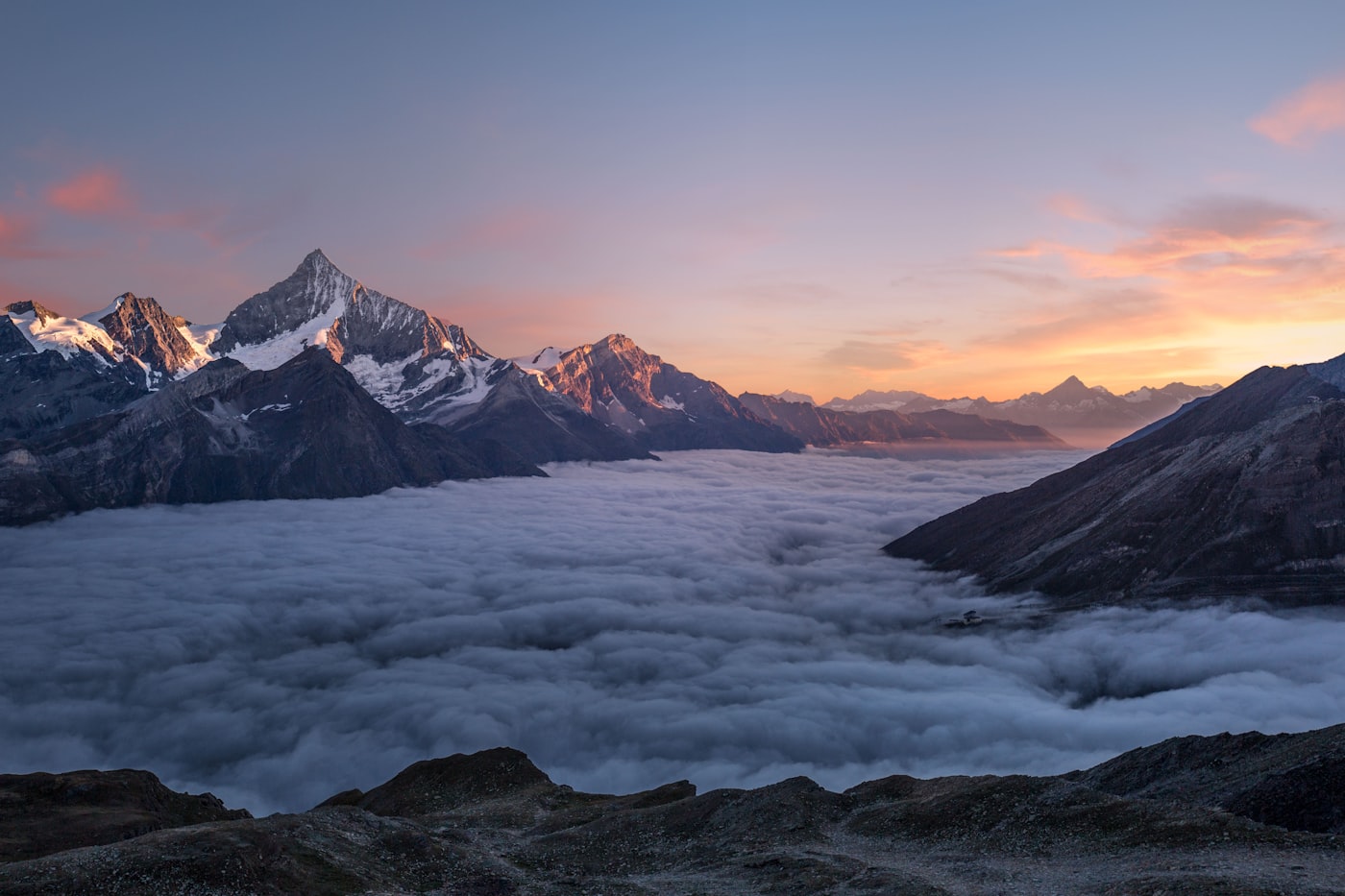
The hiking here is the big draw for many, and it does not disappoint. The signature walk is the one to the ruins of the abandoned village of Ash Sharijah, reached along a path cut into the cliff face above the Saiq Plateau. Parts of the route are narrow, with the void opening up beside you in a way that demands respect, but the reward is a haunting set of ruined stone houses clinging to the rock. For a gentler outing, trail around the plateau itself, past orchards of pomegranate, peach, and walnut, watching the shadows crawl across the valley floor far below. The west-facing terrace near Al Ayn is my pick for sunset, when the light turns the canyon gold.
Drive the Jebel Shams Scenic Road
A short drive from the plateau brings you to the rim of Wadi Ghul, the stretch of canyon that locals and visitors alike call the Grand Canyon of Arabia. At one point it plunges over a kilometer deep, and the scale of it is humbling in a way pictures never capture. Stop at the rim viewpoints, walk a little of the way down the switchback trail if you have sturdy shoes, and wait for the light to change. There is no grander panorama in Oman, and the drive up to it, along the switchbacks that wind onto Jebel Akhdar itself, is an adventure in its own right.
Wander the Mountain Villages
The villages reward slow wandering. Saiq, the main settlement on the plateau, is the practical center, where the guesthouses and small shops cluster. Al Ayn, a little further, is where the old terraces and springs are best preserved, and locals still work the fields with a rhythm that predates the car. Follow the signs for the old stepped paths lower down to places like Wadi Bani Habib, where stone houses sit abandoned among the palms and the quiet is deep enough to hear your own footsteps. These are living places, not museum stages, so greet people warmly and respect their work and homes.
Eat the Mountain’s Food
Mountain cooking here is simple and excellent. Pomegranates from the local orchards are famous across the Gulf, and in season they are sweet and full of life. Rose water shows up in drinks and sweets, and the local honey is dark and floral, worth carrying home if you can. Guesthouses serve home style meals of grilled meats and rice, and a spread eaten with the mountain air around it tastes better than any restaurant I found down on the plains. Try the warm flatbread pulled fresh from a clay oven if you get the chance.
Follow the Falaj Channels
Tracing the falaj is the best way to understand why the mountain is green at all. These stone lined irrigation channels carry spring water down the slopes and into the terraces, and a walk beside them is a slow lesson in engineering, patience, and trust. Some channels are broad enough to walk in, cool and echoing; others are no wider than your hand. Along the way you will pass the inspection points where villagers once, and still sometimes, divide the flow by measure, a fairness system older than many countries. I followed one channel from a spring down through a row of pomegranate trees and came out at a viewpoint that looked over the whole Saiq plateau, the water doing quietly behind me the work it has done for a millennium.
Practical Notes
Jebel Akhdar sits at over 2,000 meters, and the altitude changes everything. The air is cool, even cold at night, so pack layers no matter the season. The plateau is only reachable by four wheel drive, and there is a checkpost at the base that turns back most regular cars, so either come with a suitable vehicle or book transport through your accommodation. The cool summer months bring escapees from the heat below, so book well ahead for June through September. Come with full attention. The mountain is quiet, high, and completely unlike the rest of Oman, and it asks only that you slow down and let it reveal itself.



