

Things to Do in Yekaterinburg, Russia
Yekaterinburg sits right on the invisible line between Europe and Asia, and that split identity gives the city a character unlike anywhere else in Russia. When I visited, I expected a grim industrial center and found instead a young, creative city with grand boulevards, strong coffee and a serious art scene. Walk the boundary line, trace the Romanov story and give yourself time for the Ural wilderness just beyond the city. Here is what makes the place worth your days.
Stand on the Europe and Asia Border
The city’s defining trick is that you can stand in two continents at once. A white obelisk marks the spot where Europe officially ends and Asia begins, about forty minutes outside the center. I made the trip and the photo framing my two feet on different sides of the line felt like a genuine travel moment. Some tours go further out to the grander granite monument, and if you plan to cross the Urals on the way to Siberia, you will pass one anyway. Do it early, because it is a real expedition from downtown.
Visit the Church on the Blood
The most emotional site in the city sits where the last tsar and his family were shot in 1918. A soaring cathedral now marks the exact spot, with a small chapel inside built around the level where the execution took place. I walked through slowly, reading the timeline and the portraits of the family, and it stayed with me long after I left. It is not a cheerful stop, but it is essential for understanding why this city matters, and the sense of history is heavy and real.
Take the Ural Mountains Trail
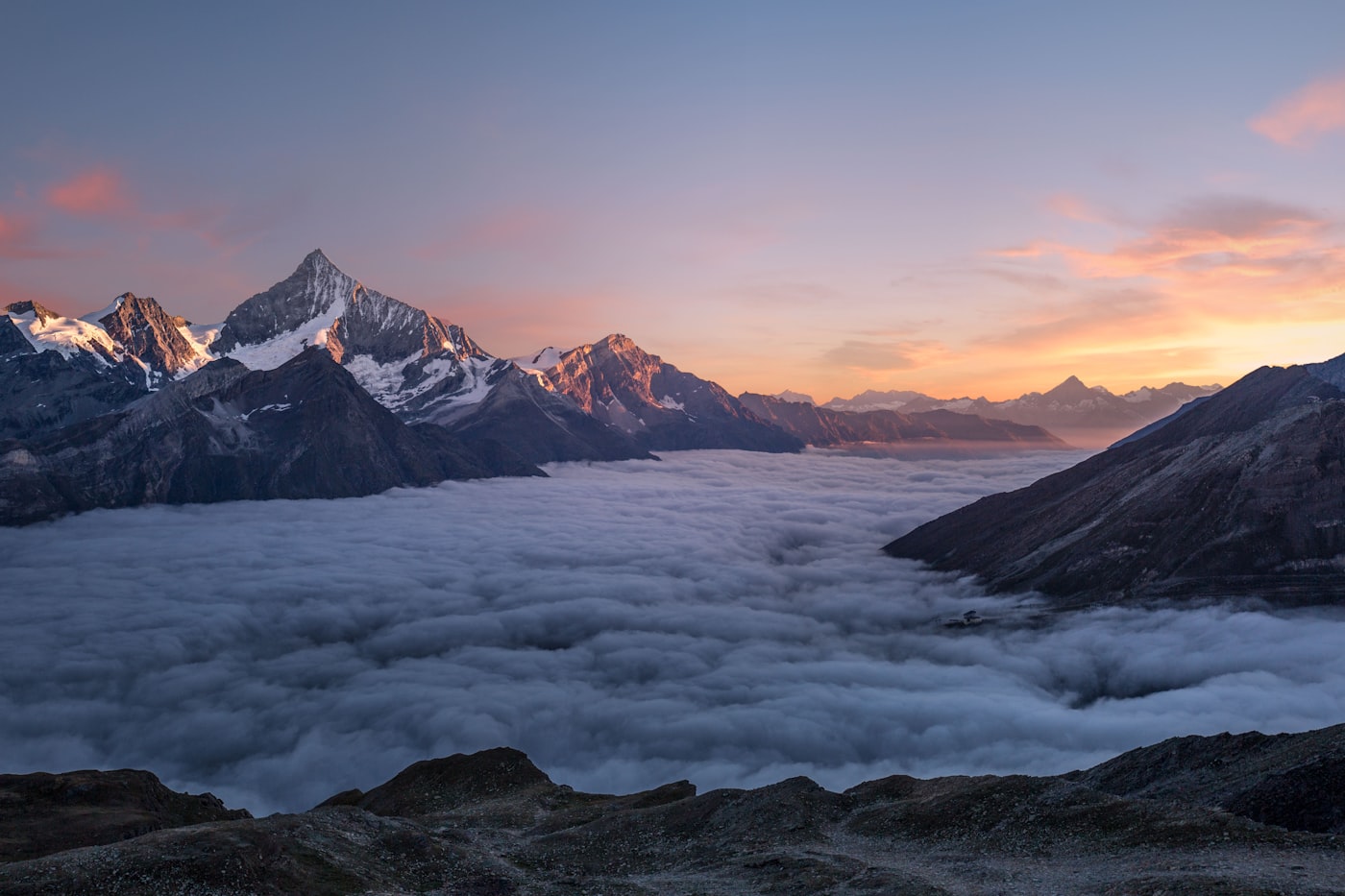
Yekaterinburg’s best asset is what waits right outside the city limits. The Ural Mountains are old and worn down, more forested ridges than dramatic peaks, but they are wild and empty. I did a half day hike from a small trailhead and was shocked at how quickly the city vanished. The trails are easy to follow, the air is clean, and you get a genuine mountain fix without a multi day expedition. In winter the same hills make some of the region’s best skiing within an hour of downtown.
Explore the Art Scene of the Ural Quarter
The former factories and warehouses along the Iset River have turned into creative clusters full of galleries, studios and cafes. I spent an afternoon wandering what locals call the Ural district, and it felt like Stockholm or Berlin in miniature. One old plant now houses artist spaces and a brewery, and the contrast of red brick and industrial steel with bright modern art was exactly the city’s energy. Look for the calendars of openings, because evenings here fill with live music and crowd funded exhibitions.
Walk the Vainer Street Pedestrian Zone
The main shopping street downtown is car free, lined with fountains, sculptures and a stream of people at all hours. I liked it most in the evening, when the plays of fountains came on and families strolled under the lights. There are little bronze figures here and there tied to local jokes, and the best approach is simply to wander with no plan. Between tall residential blocks from the Soviet era and glass office towers, it shows modern Russian city life without any pretense.
Eat Ural Classics and Local Bread
Regional food here leans on mushrooms, pine nuts, venison and the berries of the northern forests. I hunted down a bowl of mushroom soup that tasted like the forest floor and a plate of pelmeni, the meat dumplings this part of Russia owns. Bakers turn out dense rye breads and onion studded pastries that are worth a bakery crawl. If you want a real meal, ask for a place specializing in Ural cuisine and let the kitchen choose for you; the traditional dishes are underrated and full of flavor.
Go Below the Surface at the Museums
The history here cuts deep, and the museums tell it honestly. A small museum dedicated to the city’s industrial past walks through the mining and metallurgy that built the Urals, while the contemporary spaces focus on Russia’s social movements of the early 1990s. I found the latter especially moving, since Yekaterinburg was a center of that change. The exhibits are largely in Russian, so grab an audioguide or a translator app, because the stories deserve more than a glance at the walls.
Understand the City Through Its Layers
Yekaterinburg is a city of stark contrasts, and the more you dig, the more it repays you. One morning I stood in the shadow of the fortress like grammar school where the tsar’s fate was decided, and the same afternoon I drank excellent third wave coffee in a glass office block. That collision of tragedy, industry and raw new energy is the true character of the place. Visit it with an open mind, leave the center for the forests, and you will find a Russian city that surprises almost everyone. It is raw, honest and unlike anywhere else, and it deserves a few genuine days, not just a transit stop.



