

Things to Do in Tirana: A Local’s Guide
I arrived in Tirana expecting a sleepy post-communist capital, and within a day I knew I had been completely wrong. The city is loud, colorful, and full of contradictions, with Ottoman mosques tucked between brutalist towers and Italian-era boulevards lined with cafés. It keeps surprising me, and that is exactly why I keep coming back. If you have a few days here, these are the things I actually did and would do again.
Start at Skanderbeg Square
Every visit to Tirana begins at Skanderbeg Square, the vast pedestrian heart of the city. Named for the national hero whose statue stands at its center, the square is ringed by landmarks I walked past constantly: the National Opera, the Ministry of Culture, the Et’hem Bey Mosque, and the bold clock tower beside it. I loved it best at dusk, when the lights came on and families gathered and the whole space turned into a giant open-air living room. Give it an hour and let yourself just sit.
Ride the Dajti Express cable car
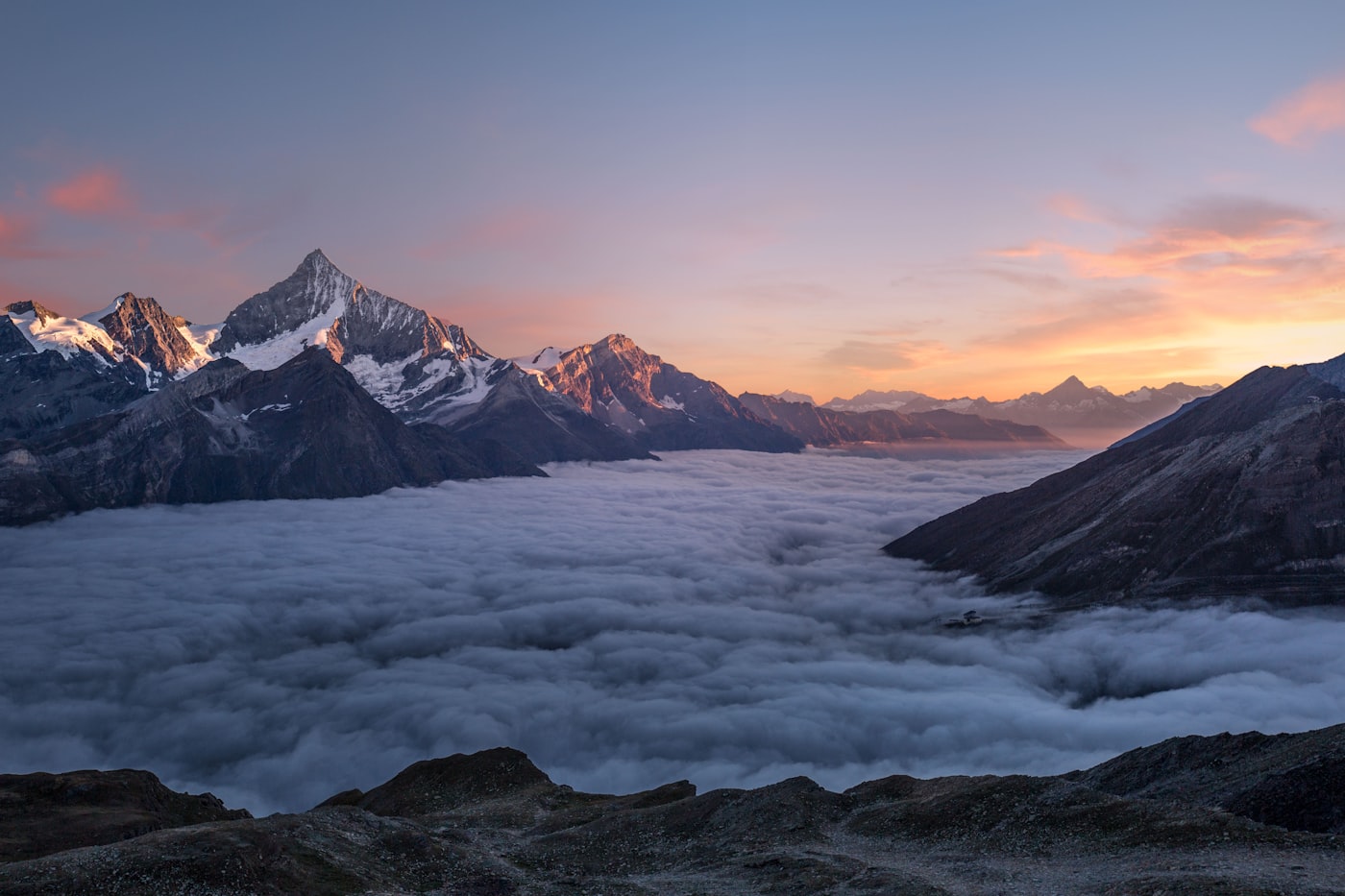
For the single best view in the country, take the Dajti Express cable car up Mount Dajti. The twenty minute ride climbs from the city edge to a pine forest at over 1,600 meters, and the panorama on the way up is spectacular, with all of Tirana sprawling below and the Adriatic glinting on a clear day. At the top I found walking trails, mountain restaurants, and air that felt a world away from the traffic down below. Go early in the morning for the clearest light and the smallest crowds.
Wander Blloku
The Blloku district was once the gated enclave of the communist elite, and today it is the liveliest part of Tirana. Its car-free lanes are packed with cafés, bars, restaurants, and boutiques, and it is where the city comes out to be seen, from morning espresso to late-night cocktails. I spent long afternoons here just hopping between terraces and watching daily life unfold. It is also the best place for a meal, with everything from traditional Albanian taverns to modern kitchens on the same block.
See the communist past at Bunk’Art
No visit to Tirana makes sense without understanding its recent history, and Bunk’Art does that better than anywhere. Housed in a massive underground Cold War bunker built for the country’s leadership, the museum layers a cavernous set of tunnels with exhibits on Albania’s communist era, from daily life to surveillance and resistance. I came away shaken and much better informed. It is dark in more ways than one, so give yourself time and a clear head, and book ahead in peak season.
Climb the Pyramid of Tirana
The Pyramid of Tirana is the city’s strangest landmark, a vast concrete structure built as a museum to the late dictator Enver Hoxha in 1988. Locals long ago reclaimed it, and for years visitors and residents alike just walked and slid up its sloping sides to the top for a great, free view of the city. It is now being redeveloped, but when I was there people still scrambled up for the sunset. Check the current state, and if you can get to the top, it is a memorable, cheeky vantage point.
Pace the Grand Park and the artificial lake
When I needed quiet, I headed to the Grand Park of Tirana, on the southern edge of the city. The large artificial lake is ringed by a walking and cycling path shaded with tall plane trees, and it is where the city goes to run, picnic, and escape the heat. I walked the full loop slowly, stopping for coffee at the lakeside cafés, and it became my daily reset. It is the perfect place for a slow morning or a post-dinner stroll, especially in late spring and summer.
Eat your way through the city
Tirana rewards appetite. I ate my way through byrek, the flaky filled pastry that is the national obsession, and the versions around Skanderbeg Square were the best I tried, with cheese, spinach, or meat fillings. For a proper lunch I hunted down tavë kosi, a baked lamb and yogurt dish that is quintessentially Albanian, and grilled riverside fish along the Lanë with fresh lemon and mountain greens. Meals here are unhurried and generous, and every restaurant seemed determined to send me home full.
Practical notes for your visit
Tirana is walkable at its core, and I used the cheap, frequent bus lines to reach the cable car and the edges of town. The currency is the Albanian lek, and while cards are accepted in many places, small cafés and markets still prefer cash, so keep some handy. The city is generally safe and welcoming, though as in any capital I kept an eye on my belongings in the busiest squares. Dress for big temperature swings between day and night, especially in spring and autumn, and comfortable shoes are non-negotiable because you will walk more than you expect.
A final thought
Tirana is a city on the move, still shedding its past and finding its new identity in real time. It is chaotic, colorful, and full of warmth, and the people I met were proud of how far it has come. I came for a weekend and stayed a week, and I already want to go back. Start at the square, climb the mountain, eat too much byrek, and let the city talk you into staying longer than you planned. You will not regret it.



