

Things to Do in San Salvador
I landed in San Salvador expecting a busy capital, the kind you pass through on the way to beaches and volcanoes. A few days in and I had to laugh at myself. The city itself turned out to be the trip, a place that rewards slow mornings, long walks and the habit of saying yes to whatever food someone puts in front of me.
Start at the historic center
My first morning I walked the Plaza Barrios and stood under the Paseo de los Héroes, watching the city wake. The Metropolitan Cathedral anchors the square, its pale stone bright against the morning heat. Vendors set up their carts, shoeshine stands click to life, and street musicians tune up as the offices fill. I spent an hour inside the cathedral, drawn to the tomb of Monseñor Romero, the archbishop whose life and legacy still shape the country. It is a moving stop, and the plaza outside gives you the pulse of daily life in the capital.
From the plaza I wandered the pedestrian streets east toward the National Palace. The building first looked like one more colonial photograph, but the guided tour opened up its painted ceilings and ornate rooms in a way I did not expect. Give the historic center a morning. It is walkable, lively and free of the pressure to be anywhere else.
Look down from San Jacinto and the volcanoes
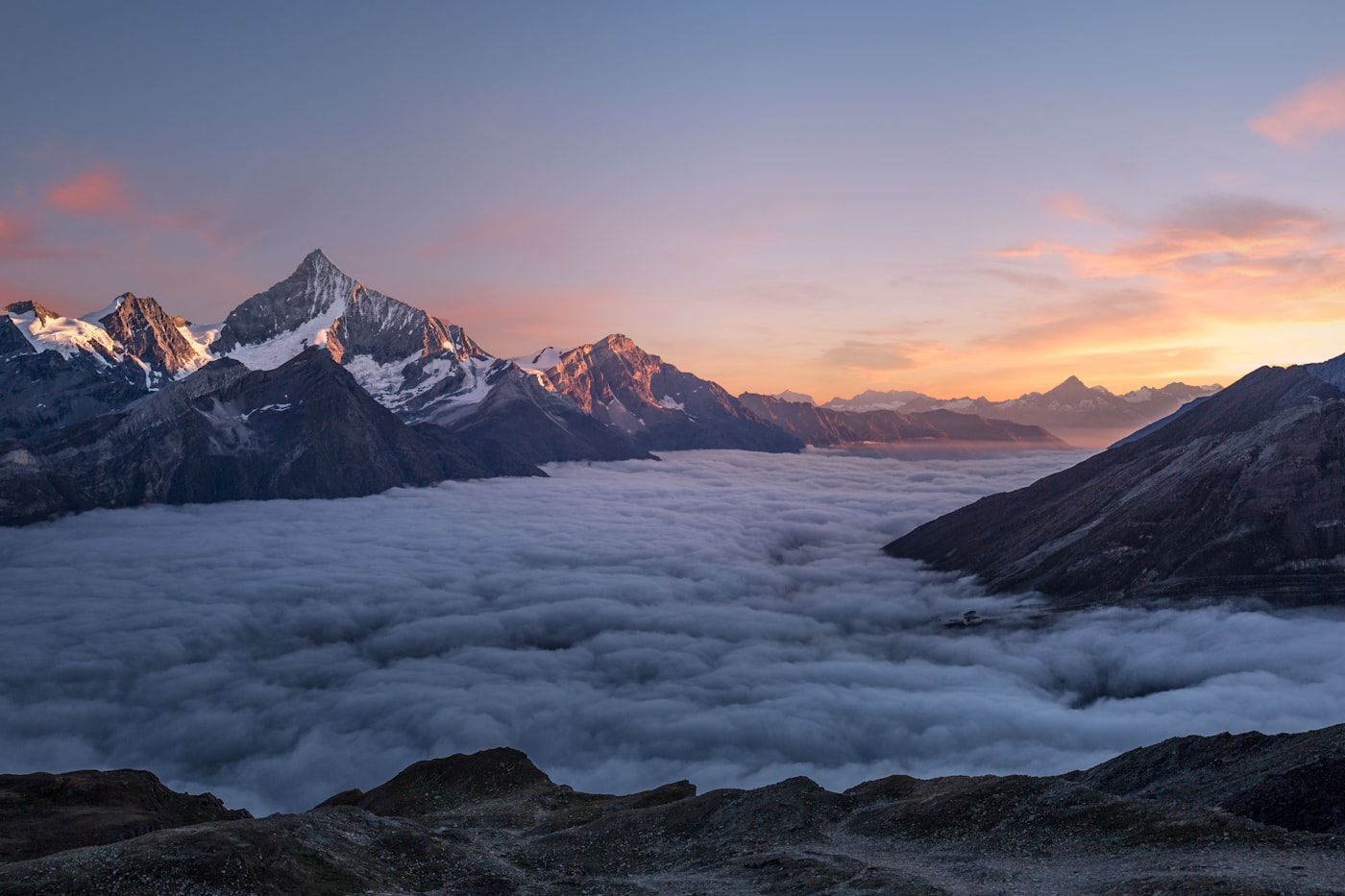
What surprised me most about San Salvador was how much green surrounds it. The city sits in a valley ringed by volcanoes, and I made one clear decision early: I was going to see it from above. At the San Jacinto viewpoint, the whole bowl of the city spreads out below, a grid of red rooftops that runs until the hills swallow it. I went late afternoon, when the light softened and the streets below turned a dusty gold.
The grander version of this is the Boquerón volcano, the crater at the top of San Salvador’s own peak. On a clear day you can look down into the green crater and out to the coast. I hiked part of the loop trail around the rim, the air noticeably cooler up there, and stood an extra minute just to feel the difference from the heat below. If you only have time for one viewpoint, make it this one.
Eat your way through pupusa country
I cannot write about San Salvador and skip the food. Pupusas are the dish the whole country is proud of, thick maize tortillas stuffed with cheese, beans, loroco or pork, then griddled until the edges crisp. I ate them everywhere, from a working-class comedor to a polished sit-down spot, and my honest advice is to skip the tourist menus. Follow the crowds, order two, one revuelta and one cheese, and always add the curtido, that sharp cabbage slaw that cuts through the richness.
The Mercado Central de San Salvador is the place to go if you want to eat and shop in the same afternoon. The aisles are loud and crowded and smell of produce, grilled meat and fried plantains all at once. I picked up a bag of roasted coffee beans, the bag still warm, and a bottle of horchata to drink with my lunch. It is the kind of chaos that feels thrilling rather than stressful once you lean into it.
Museums and the memory of a place
I did not expect a small capital to hold museums as good as these. The Museum of Art, MARTE, holds a focused collection that walks you through Salvadoran painters without feeling like homework. I walked the rooms slowly, enjoying the shift from landscapes to modern work.
The most affecting museum for me was the Museum of the Revolution in nearby Perquín, reachable as a longer day trip. It sits on the site of a guerrilla command post from the civil war and the collection is raw and unflinching. Walking through the underground tunnels and seeing the photographs and letters, I understood the country’s recent history in a way no book had managed. It is a full day out of the capital, but it reframed everything else I saw.
Escape to the water and the coast
When the city heat got to me, I did what locals do and headed for the coast. El Tunco, about an hour from the city, is the surf town everyone talks about, black sand, cold beer and a wave that draws boarders from everywhere. I sat on the beach watching surfers and sipping a coconut, content to let the day melt away. For a quieter stretch, La Libertad’s pier is where the fishermen come in, and the cevicherías bang out plates of fresh ceviche and fried fish that finished my coastal mood nicely.
If you have a second day for nature, the Santa Ana volcano makes an even grander companion. The hike up is steady and open, and from the summit you look out over a turquoise crater lake and the whole western highlands. I timed it for sunrise and it was worth the early alarm.
It is safe to slow down
I had read the old headlines before I flew, and honestly I hesitated. What I found was a city where people walk their neighborhoods, ride buses, fill parks on Sunday and chat on street corners. I used the usual care, kept my phone out of sight, took registered taxis at night and stayed aware after dark, but I never once felt unsafe walking the main streets by day. The old reputation does not match the city I moved through.
San Salvador rewarded me for slowing down. Between the volcano viewpoints, the cathedral and the endless, excellent pupusas, I left with the feeling that I had barely scratched the surface. That is the best compliment I can give a city, and it is the reason I would go back tomorrow.



