

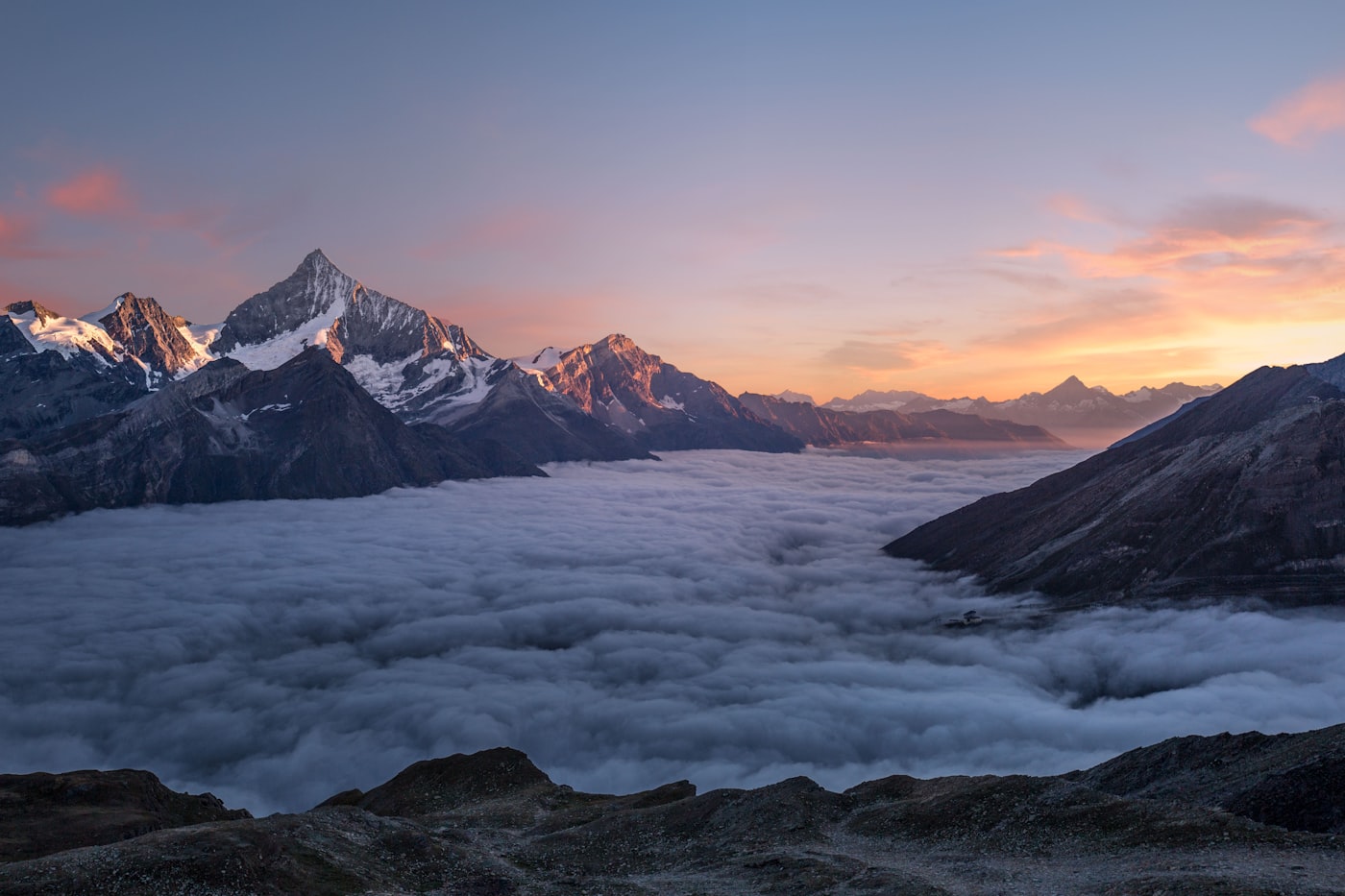
Ngorongoro Crater left me utterly speechless with its epic scale and wildlife. A colossal ancient caldera cradles one of the densest concentrations of animals anywhere on earth.
Overview
This natural bowl in northern Tanzania drops steeply to a flat savanna floor. Driving down that rim feels like entering a private world protected by towering walls all around.
Within the crater you can spot lions, elephants, rhinos, and flamingos all in one day. That incredible density makes every single minute of the descent worthwhile.
When to Go
The dry season from June to October offers my clearest game viewing here. Less grass means more visible animals gathered around the many permanent waterholes.
Green season from November through May turns the floor lush and colorful. Migrant birds arrive, yet some animals spread out across the dense growth.
The crater works year round, which makes planning easy. I visited in September and enjoyed both good weather and plentiful wildlife sightings.
Top Things to See and Do
Start your day early and drive down onto the crater floor at gate opening. Morning light and active animals give you the best viewing window of all.
Hunt for the Big Five, including the rare black rhino that thrives here. A patient local guide knows exactly where the lions and elephants tend to rest.
Watch the flamingos that blush pink around Lake Magadi in the center. Their big colonies create a scene of color against the dusty plain.
Look closely at the hippo pools where the great beasts wallow and grunt. The reeds around those deep pools teem with many birds and lurking crocodiles.
Enjoy a sundowner on the rim as the sun sinks over the crater. The golden glow and cool breeze make a perfect end to a long safari day.
Where to Stay
Luxury lodges perch on the grassy rim with sweeping views into the bowl. I loved waking to the panorama and watching animals move far below.
Mid range safari camps near the gate offer comfort and convenience. Many include meals and guided drives into the crater each morning and afternoon.
Budget campers stay at public sites or drive in from Arusha for a day. That day trip works well if you book closed roof transport well ahead.
Getting Around
Alas, no walking is allowed inside the crater, so 4×4 drives are essential. Open roof vehicles give you perfect views of everything around you.
You must exit through the gates by around six o clock in the evening. Plan your final drive so you never get locked inside the crater overnight.
Park entry permits can be arranged at the gate for a daily fee. Keep your receipt handy, since rangers may check it during your drive.
Food to Try
Lodge kitchens serve generous thermal breakfast buffets before the morning drive. I piled my plate with eggs, fruit, chapati, and strong hot coffee.
Packed picnic lunches travel easily inside the crater for a midday break. Grilled meats, rice, and fresh salad taste wonderful under the open sky.
Back at camp, hearty stews and grilled game round out the evenings. Sharing stories over dinner remains my favorite part of any safari day.
Daily Budget
Ngorongoro can be cheaper than a full Serengeti safari. A budget traveler might manage around one hundred fifty dollars a day with camping and shared drives.
Mid range visitors should expect close to three hundred fifty dollars daily. That covers a comfortable lodge, meals, park permits, and a private safari vehicle.
Luxury rim lodges push prices much higher overnight. They bundle fine service, expert guiding, and premium comfort into one seamless nightly package.
Safety Tips
Never leave your vehicle while in the crater unless at an official spot. The big cats here treat humans with no fear whatsoever.
Take malaria precautions and drink only bottled water throughout. I used repellent at dusk and stayed perfectly healthy on my whole trip.
The crater rim sits at high altitude, so pace yourself and drink water. The cooler thin air can catch unprepared visitors quickly by surprise.
Local Tips
For a good time to visit Tanzania safari parks, pair Ngorongoro with the Serengeti. The two together give an ideal safari itinerary.
Arrive at the gate before it opens to snag the best guides and light. I queued early and had the brilliant morning paths all to myself.
Do not spend your whole day on the crater floor without breaks. Enjoy rim viewpoints too, where the views across the caldera are simply stunning.
Day by Day Itinerary
Day one, descend in the early morning for a full floor game drive. Take a picnic lunch and watch the flamingos at Lake Magadi by noon.
Day two, return for a second drive focused on rhinos and the hippo pools. Then spend the afternoon photography from the scenic rim viewpoints.
If you have more time, combine this crater with nearby Serengeti plains. That pairing creates a rich and varied safari experience overall.
Common Mistakes
Do not arrive at the gate late and lose the best safari hours. A mid morning arrival means hotter light and far fewer active animals out in the open.
Avoid assuming you can walk through the crater to see wildlife. Driving only is the rule, so plan your entire visit around 4×4 transport.
Do not skip the flamingos for lack of time. That rosy spectacle at Lake Magadi has become one of my most vivid African memories.



