

Things to Do in Manaslu, Nepal
I had heard Manaslu described as the wild cousin of the Annapurna circuit, and I went expecting an emptier version of the same thing. It was not. The Manaslu circuit, which loops around the eighth highest mountain in the world at 8,163 meters, feels older and rougher and much less polished, and that rawness is exactly what I loved about it. Here is my honest list of what made this trek unforgettable.
Trek the Full Circuit Around Manaslu
The heart of the experience is the circuit itself, a loop of roughly a week and a half around the mountain that begins in the Budhi Gandaki river valley and climbs to the Larkya La pass before dropping to the Annapurna side. Unlike the famous Annapurna circuit, Manaslu is less developed and less traveled, with rougher trails, simpler lodges, and a genuinely remote feel. I walked it over twelve days and never once felt I was queuing behind another group. That wildness is the whole point, and it is why I recommend you bring flexibility and a sense of adventure.
Cross Larkya La, the High Pass
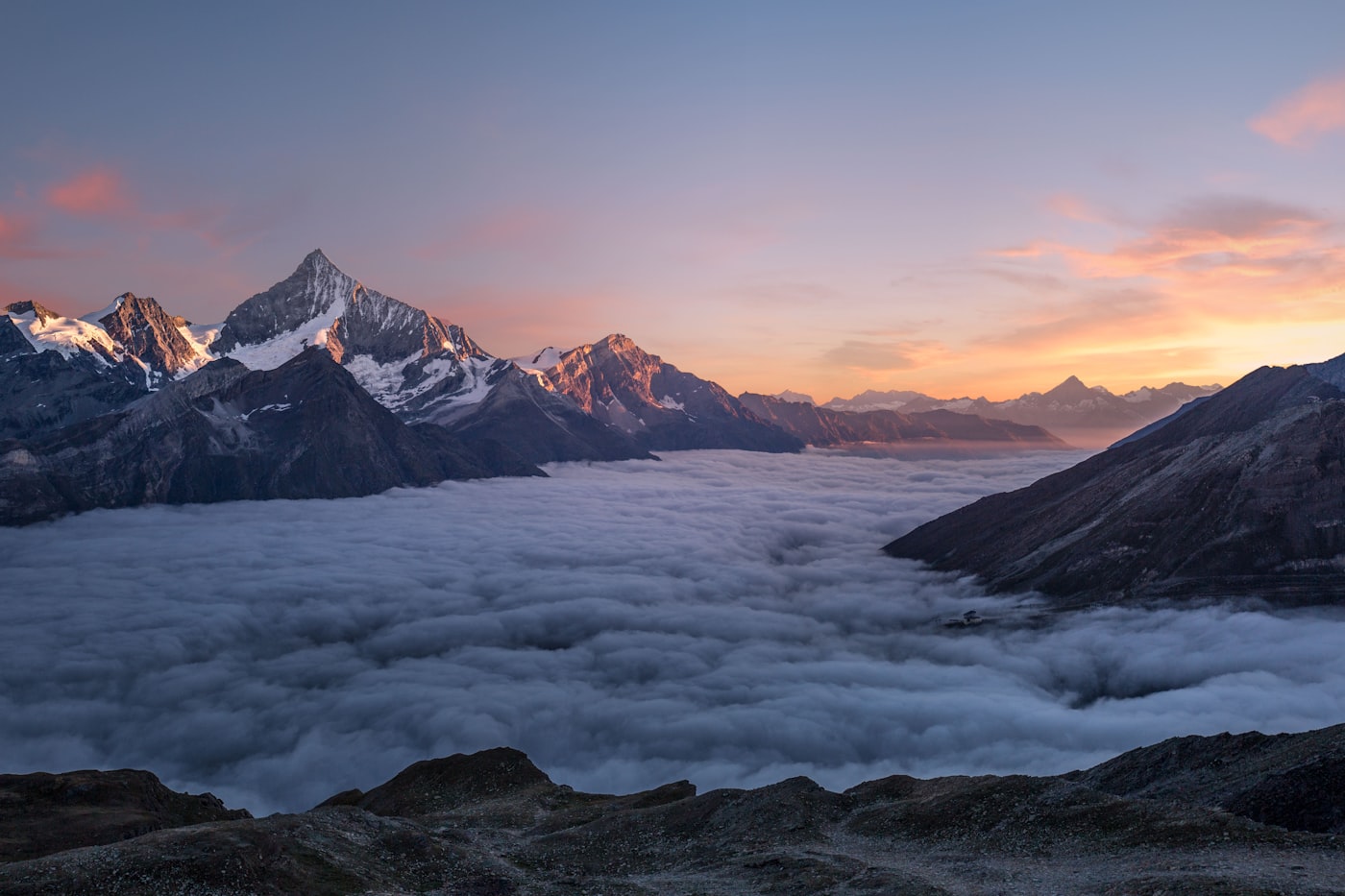
Larkya La is the summit of the trek, a high mountain pass at around 5,100 meters that you cross in the dark, cold hours of an early start. The climb from the teahouse at Dharamsala is a long, patient grind over moraine and snow, and reaching the pass at dawn is an emotional moment. On my crossing, the peaks of the Manaslu range caught the first light and I stood on the windiest little notch in the world feeling smaller than I have ever felt. Start before first light, move methodically, and dress for heavy wind, because everything about that pass is decided by conditions.
Hike Into the Remote Tsum Valley
A side valley called Tsum branches off the main circuit and offers one of the most secluded corners of the Himalaya, a place the locals guarded for centuries. The Tsum valley holds ancient monasteries, stone villages, and a way of life that goes back generations, and reaching it adds several days to your trip. I could only spare two days there, and I still count the visit among my favorite walking of the whole year. It is a Bir listed special valley, which means an extra permit, but the calm and the cultures make the paperwork worthwhile.
Visit the Monasteries at Mu and Rachen
Scattered through the Manaslu and Tsum valleys are monasteries that range from small whitewashed buildings to the larger, rambling complexes at Mu Gompa and Rachen Gompa. I was welcomed into prayer halls filled with butter lamps and the smell of incense, and the monks were patient with my questions. The sherpa and tsumbese cultures here hold Tibetan Buddhism close, and the festivals, when they happen, are loud and colorful. Take off your shoes, move quietly, and give a small donation, and you will be given more kindness than you know what to do with.
Walk Among the Herds and High Pastures
Between the forest villages and the pass, the circuit threads through high summer pastures where yak and hybrids graze on thin grass. I watched herders move their animals along rocky slopes and learned to spot the difference between the shaggy yaks and the crossbreeds they keep for dairy. Red-tinged pika, barking deer, and the occasional glimpse of a blue sheep made the walking feel alive.
Cross the Long Suspension Bridges
The lower Budhi Gandaki valley is strung with suspension bridges, some of them old and some rebuilt since the 2015 earthquake, and each one sways over a river that boils green and white below. I am not fond of heights, so my first crossing was slow and white knuckled, and by the third day I was striding across like a local. The bridges are the punctuation of the lower trail, and they are also a reminder of how much the recent rebuilding has changed this region, for the better in most places. Pause on the long ones and watch the water move.
Rest and Eat in the Old Stone Villages
The villages along the circuit, like Machha Khola, Jagat, Namrung, and Samagaun, feel genuinely old, with stone houses, carved woodwork, and prayer walls that rise as you enter and leave each settlement. I spent my evenings in simple lodges trading stories over dal bhat and the occasional apple pie, and the hospitality carried me up the mountain. Samagaun, the large village below Manaslu base camp, is a good place to stop, rest, and acclimatize before the pass. Give yourself an extra night there and walk up toward the base camp to adjust.
Approach Manaslu Base Camp
From Samagaun, a side walk climbs toward a rocky base camp beneath the sheer north face of Manaslu, passing through a valley strewn with boulders from the 2015 avalanches that devastated nearby Birendra Taal. The avalanche lake and the memorials that speak to the disaster give the walk a sobering depth, and standing under the mountain’s enormous face is humbling. This is a quiet, powerful side trip that most circuit trekkers save energy for and then never forget. Go in the morning when the face is lit up.
The Long, Quiet Descent
After the pass, the trail drops through the Dudh Khola valley, past lodges at Dharmasala and Bhimtang, and then follows a rough jeep road to Dharapani and beyond. The descent is long and sometimes dusty, and it is the part I least expected to love. By then the mountain had done its work on me, and I walked mostly in silence, turning over the whole week in my head. Manaslu does not hand you a neat package of polished sights. It gives you a raw mountain, a demanding pass, and a chance to be alone with both, and that is the whole gift of it.



