

Things to Do in Malabo (Equatorial Guinea)
Malabo took me by surprise. Even after weeks of planning, I arrived expecting a sleepy port and found instead a small capital with real character, dramatic views, and a pace of life that felt a world away from the crowded cities I usually visit. The whole place sits on the northern edge of Bioko Island, wrapped in green hills and facing the Gulf of Guinea, and it is tiny enough that you can cover the highlights in a long weekend without ever feeling rushed. Here is what I would do all over again.
Wander the Cathedral of Santa Isabel
My first stop was the pink cathedral that anchors the colonial center. It looks more Spanish than many churches I saw in Spain, with its twin towers rising above a square where kids kick a ball and vendors sell roasted plantains. The inside is calm and cool after the heat outside, and the stained glass throws color across the stone floor. It is the easiest landmark to find in the city, and a good place to start before you drift into the surrounding streets.
Explore the Colonial Architecture on Foot
I spent a full morning just walking the old town. The Spanish colonial buildings have a faded, lived-in beauty that photographs better than any polished museum, and the balconies and painted facades tell you a hundred years of history without saying a word. Most of the streets around the cathedral and the waterfront are walkable in under an hour, so bring comfortable shoes, carry water, and let yourself get a little lost. There were no crowds to fight, which I have learned is rare and worth savoring.
Climb Pico Basilé
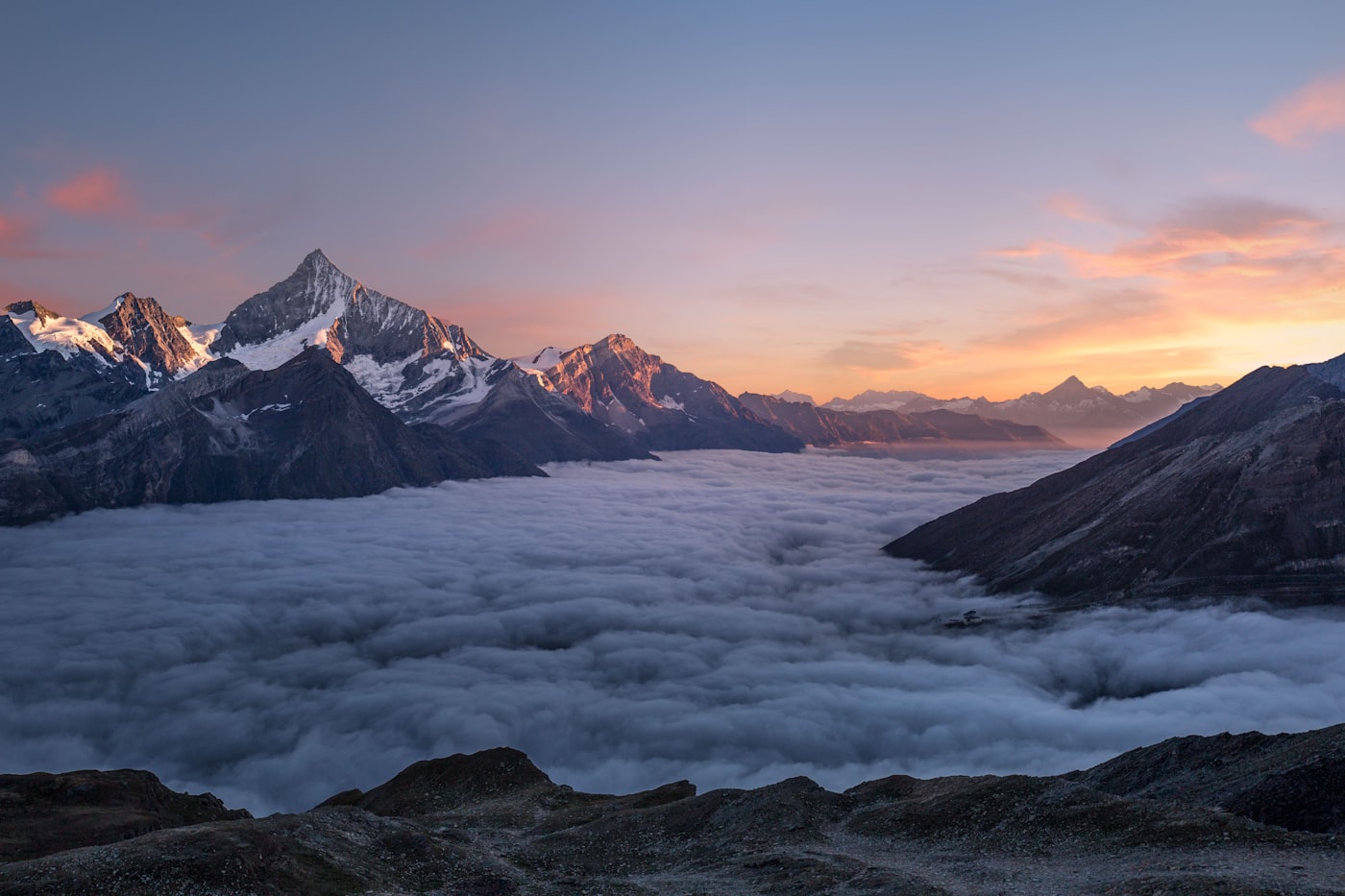
For the serious view, nothing beats the drive up Pico Basilé, the volcano that towers over the island at more than three thousand meters. The road winds through cloud forest and eucalyptus before the trees thin out and the whole island opens below you. I reached the summit on a clear morning and could see all the way across the water to the mainland. The air gets noticeably cooler up there, so pack a jacket even if it feels strange to do so in a tropical country. You need a four-by-four for the last stretch, and a guide helps with the permits and the tricky sections of the route.
Relax at Arena Blanca
Not far outside the city, Arena Blanca is the beach I kept coming back to. It is black sand, which took some getting used to, but the pale volcanic sand mixed in around the water creates a color you will not forget. The waves are strong and the swimming is limited, so treat it as a place to sit, read, and watch the fishermen haul their boats in at sunset. The drive out there is part of the experience too, winding past small villages and banana groves that give you a picture of island life beyond the capital.
Visit the Markets
The main market in the center is chaotic in the best way. I wandered through stalls stacked with dried fish, root vegetables, spices, and textiles, haggling over beaded bracelets I did not really need and trying fruits whose names I never caught. The vendors are patient and good-natured, and a little Spanish goes a long way in Malabo. If you want something calmer, the craft market has wood carvings and woven baskets that make lighter and more memorable souvenirs than anything you will find at the airport.
See the Presidential Palace and the Waterfront
The Presidential Palace sits on the seafront and is best admired from the outside. Guards keep you at a respectful distance, but the pale yellow building against the blue water is worth the detour. From there I followed the waterfront promenade past a few small squares and out to the neighborhood where colonial houses climb the hillside. The light in the late afternoon turns everything golden, and it became my favorite time of day to simply walk and take photos.
Eat the Local Food
Food was a highlight I did not expect. I ate grilled fish right off the beach, savory peanut stew that warmed me up on a cool evening, and more ripe plantain than I can count. Fresh seafood features on every menu, and the local markets supply the catch of the day. For a first visit, ask your hotel or a trusted local where they would eat on their own night off, because the best places are the small ones that never make it into the guidebooks. Be flexible with opening hours and spice levels, and you will eat very well.
Practical Tips for Your Visit
A few things I learned the hard way. Malabo runs on a mix of Spanish and French, so learn a dozen words in each and you will get by. Carry cash, because cards are not accepted everywhere. Taxis shared with other passengers are cheap but agree on the fare before you get in. The city is safe and friendly, but stick to well-lit areas at night and keep an eye on your bag around the markets. And because the rainy season is heavy, plan indoor options or bring a solid umbrella between June and October.
Is Malabo Worth the Trip?
Yes, absolutely. Malabo will not reward you with grand monuments or a packed itinerary, and that is exactly its appeal. It is a place where you slow down, let the volcano loom over your afternoon, and trade efficiency for atmosphere. I came for a weekend and wished I had booked a week. Bring curiosity, a patient temper, and an empty stomach, and this small capital will give you a surprisingly generous return.



