

10 Things to Do in Lhasa, Tibet
Lhasa sits at 3,600 metres above sea level, higher than almost any other capital on earth, and the altitude shapes everything about it. The air is thin, the light is sharp, and the sacred sites tower over a city that still moves to its own hours. Here is how to do Lhasa well, slowly, and with respect for the place.
1. Walk the Circuit Around the Potala Palace
The Potala Palace is so huge it takes a full morning to feel it, and the free circuit walk around its base is the best way to start. I joined local pilgrims moving clockwise, spinning prayer wheels set into the whitewashed wall, and felt the rhythm of the crowd. The circuit is flat, shady, and demands nothing but patience. It also shows the palace from angles most visitors never see. Do it before the ticket entry, not after, so you arrive with your legs warmed and your eyes adjusted.
2. Go Inside the Potala Palace by Ticket
The interior of the Potala is a working, layered place, part monastery, part former residence, and the tour moves through dark rooms of gold, silk, and centuries of incense. Tickets are limited and dated, so book well ahead through official channels. Inside there are steep stairs, and because of the altitude they slow you down more than you expect. The view over the city from the upper courtyards is worth the climb on its own.
3. Walk a Full Circle Around the Jokhang Temple
The Jokhang is the spiritual center of Tibetan Buddhism and the whole city has grown up around it. Each day pilgrims walk the Barkhor circuit around the temple, butter lamps burning in their hands, voices in quiet chant. I joined the clockwise flow and let it carry me, stopping at shrines and watching generations of families doing what families here have done for a thousand years. Respect the direction, keep the pace, and do not block the walk to take photos.
4. Visit the Jokhang Temple Interior
Inside the Jokhang, past the courtyard, the rooms hold the most sacred image in Tibetan Buddhism, a statue of the Buddha said to be very old and very important. The atmosphere is intense, dense with butter lamps, incense, and pilgrims. It is not a museum and the crowd is real, so go prepared to be shoulder to shoulder. Dress modestly, remove hats inside, and follow the one-way flow. The glow of the lamps and the murmur of prayer stay with you long after you leave.
5. Drink Tibetan Sweet Tea in a Local Tea House
Away from the monuments, Lhasa is a city of tea houses. I sat in a plain place on the Barkhor edge and took a thermos of Tibetan butter tea, warm and salty, and watched the room run on conversation and refills. It is a social moment as much as a drink. Order a pot, share it, and you will be welcomed the way any regular is. It is also one of the few places in the city where you can sit and simply exist without a ticket or a line.
6. See the City from a Rooftop Viewpoint
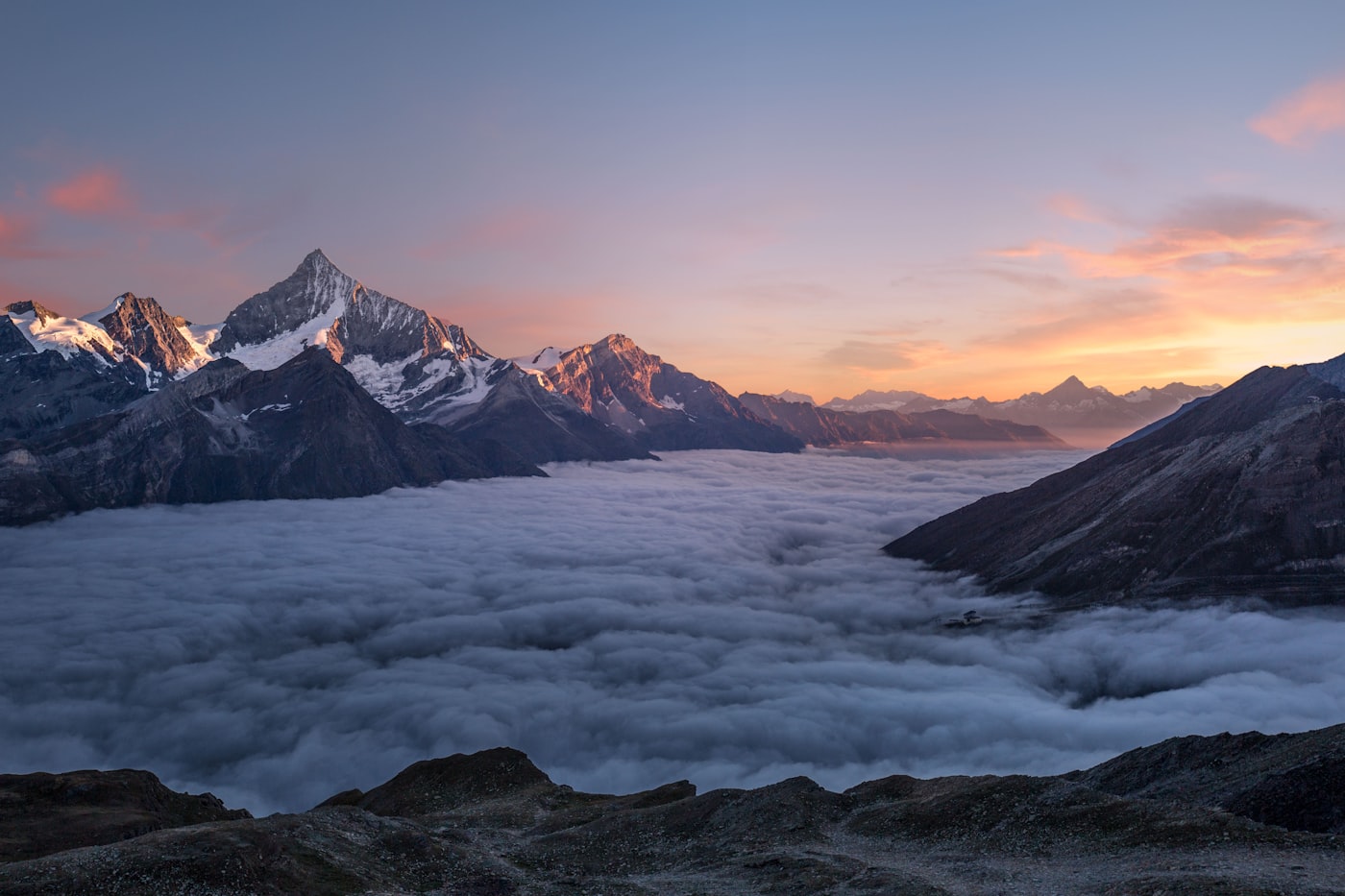
Several guesthouses and cafes in the old district keep roof terraces, and the view across the city toward the Potala is unmatched. I went up on a clear late afternoon and watched the palace catch the low sun against the snow peaks behind it. The air is so clear up here that the whole range looks close enough to touch. Buy a tea and give the view half an hour. It is the best free panorama in the city.
7. Spend Time at the Norbulingka Summer Palace Gardens
A short walk from downtown, Norbulingka holds the summer palace and its wide, peaceful gardens. I found it less crowded than the Potala, more about trees, ponds, and slow walks than grand halls. The buildings are smaller and the whole place feels like a getaway inside the city. It makes a good lower-key second day, especially if the big monuments have tired you out. Bring water and a hat, because the garden is open and the sun up here is relentless.
8. Walk the Barkhor Market Streets
The ring of streets around the Jokhang is where the city does its shopping, and the range is remarkable. I saw prayer beads, copper offering bowls, cloth, and jewelry laid out beside practical household goods, the sacred and the everyday mixed on one counter. Haggling is part of it and a smile goes far. It is also simply a good place to be carried by the movement of the crowd and feel the city’s pulse without doing anything at all.
9. Try Tibetan Food Slowly
Tibetan food is heavy, warming food built for thin air and cold mornings, and it rewards a slow approach. I ate bowls of thukpa noodle soup and handmade dumplings and let each meal stretch. The key at altitude is small meals, lots of water, and not rushing. Do not overbook your stomach on day one. Months of energy come back slowly up here, so treat food and rest as part of the schedule rather than the break from it.
10. Give Yourself Acclimatization Days
The most important thing to do in Lhasa is also the least glamorous: take the altitude seriously. I built in two light days at the start, walking flat, drinking water, sleeping long, before attempting the steep climbs at the palace. Headaches and shortness of breath are common and usually pass, but they do not care about your itinerary. Go slowly, ascend gradually, and skip the alcohol on the first night. The city is calmest at this pace anyway, and you will see more, not less.
Lhasa is a pair of experiences in one trip, the monumental and the everyday, and both need the same slow, respectful rhythm. Book the Potala and Jokhang tickets ahead, acclimatize first, and let the pilgrims set your pace rather than the tour bus. Treat it as a pilgrimage pace and the city will give you its best.



