

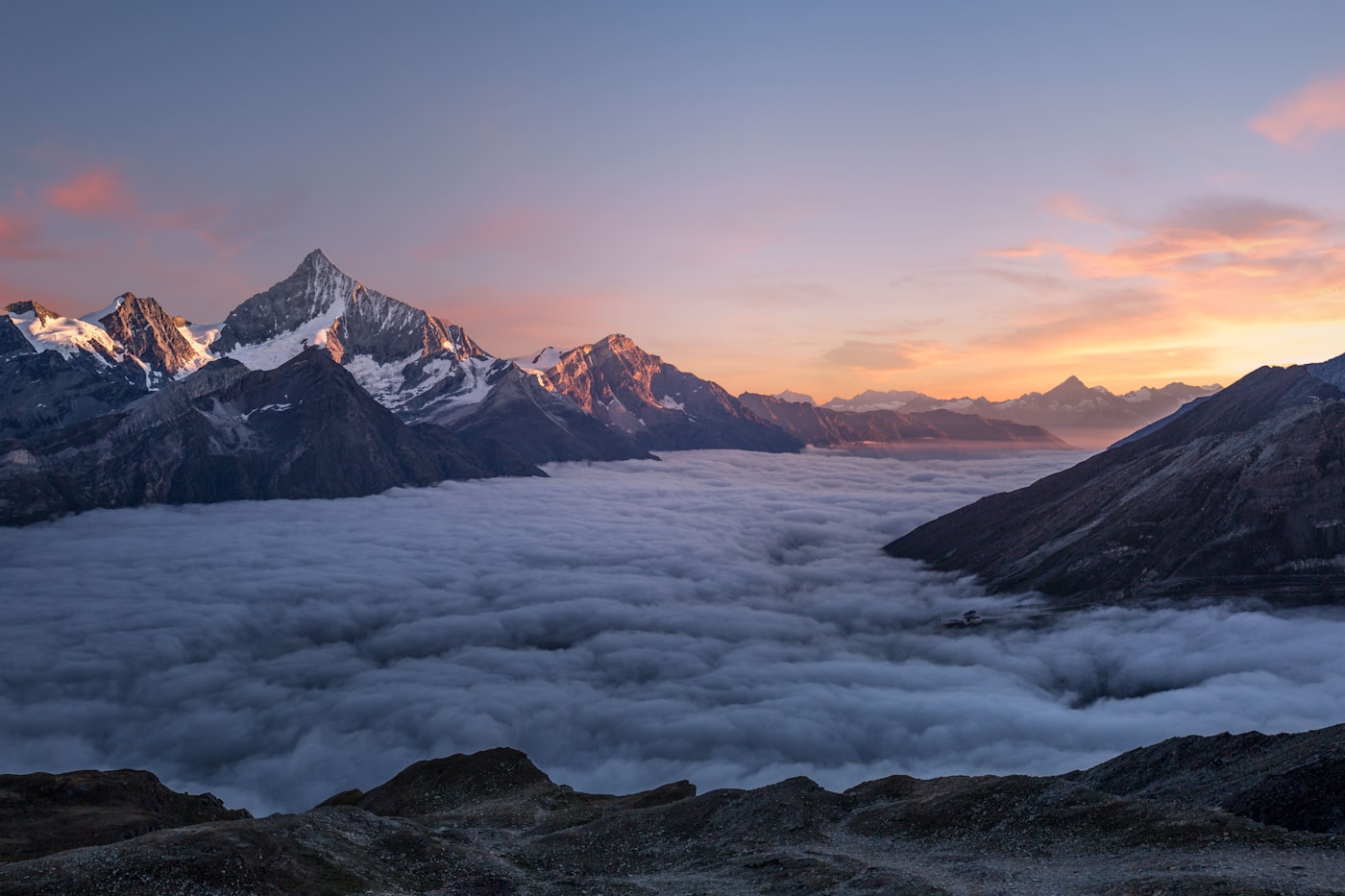
Lhasa sits so high that I felt it in every breath. The sky, the prayer flags, and the Potala were unreal.
Here are the best things to do in Lhasa, Tibet, from my own slow acclimatized days.
See the Potala Palace
The Potala crowns the city on a high red hill. Its white and gold walls shimmer against the thin air.
Book entry early, since daily tickets are limited. The interior holds chapels, thrones, and holy tombs.
Wear layered clothing, as the halls stay cool. Respect the no photography signs inside.
Walk the Barkhor
This circle of pilgrims surrounds Jokhang Temple. I joined the slow clockwise flow with smiling locals.
Shop the kora lanes for prayer beads, scarves, and incense. The energy here is warm and alive.
Visit Jokhang Temple
It is Tibet most sacred temple, filled with incense and gold. I moved through rooms packed with devotion.
Patience helps, because the crowds can be tight. The rooftop view is peaceful after the crush inside.
See the Sera Monks
Sera Monastery hosts the famous afternoon debate. Monks flap their hands and clash ideas loudly.
It is lively, funny, and a true window onto monastic life. Arrive by mid afternoon to catch it.
Explore Drepung Monastery
Just outside town, Drepung was once the world largest monastery. Its white buildings spread across a hillside.
Walk the quieter lanes to find butter lamps and hidden shrines. A full morning explores it well.
Give Your Body Time
The altitude here is serious, above 3,600 meters. I rested daily and drank plenty of water.
Rise slowly, walk gently, and see a clinic if you feel sick. Diamox may help if your doctor agrees.
Eat and Drink Well
Try momos, butter tea, and thukpa noodle soup. Hearty Tibetan food warms the thin, cool air.
Drink lots of fluids and eat light for the first days. Sweets and carbs give quick energy.
Where to Stay
Guesthouses near the Barkhor keep you by the action. Rooms are simple, clean, and friendly.
Choose a low floor to avoid extra stairs at altitude. Rest well the first night.
Budget, Timing, and Permits
Visiting Lhasa needs a Tibet Travel Permit arranged ahead of time. Plan this well before you fly.
Check my guide to the best time to visit Tibet for timing. Spring and autumn bring the clearest skies.
Local Tips and Safety
Walk clockwise around the temples with the pilgrims. Point with palms up and keep your voice soft.
Ask before photographing people and monks. Kindness opens every door here.
Plan an Acclimatized Itinerary
Day one is rest, walks, and the Barkhor only. Give your body full time to adjust.
Day two adds the Potala and Jokhang, spaced with breaks. The altitude demands a gentle pace.
Save monastery tours for day three when you feel stronger. It is the calmest way to enjoy them.
Common Mistakes to Avoid
Do not gamble with altitude; it can turn serious fast. Ascend slowly and listen to symptoms.
Avoid flying in and touring hard the same day. Rest first, always.
Skip missing your permit arrangements until the last minute. They take planning.
Where to Eat and Sleep
Hearty Tibetan food warms the thin air well. I loved momos and steaming soup in the cold.
Stay near the Barkhor for easy, safe walks. Choose a heated room for chilly nights.
Final Thoughts on Lhasa
Lhasa felt like the roof of the world, sacred and vast. It stays bright in my memory.
Walk slow, breathe deep, and respect the holy ways. This high city rewards gentle hearts.
Read the Tibet guide before you go, then arrive ready to be humbled.
Budget Breakdown
Lhasa costs more than lowland China. Permits, flights, and altitude gear add up.
Simple guesthouses near the Barkhor keep rooms fair. Food is hearty and reasonably priced.
Hire a guide for the high passes and permits. It is the safest way to travel here.
Local Etiquette and Packing
Walk clockwise around temples with the pilgrims. Ask before photographing anyone.
Pack warm layers for the cold nights and thin air. Sunscreen is vital at this altitude.
Buy a permit well ahead and read the altitude advice. Your health comes first here.
Should You Take a Guide?
A licensed guide handles permits, drivers, and context. For this trip it is almost essential.
Choose a vetted, respectful operator. Kindness and oxygen make the journey smoother.
What Travelers Ask
Do I need a permit for Lhasa? Yes, a Tibet Travel Permit arranged before you fly.
How long should I acclimatize? Give yourself at least two calm days at altitude first.
Is Lhasa safe and easy to visit? With a licensed guide and slow pace, yes, very much so.
Build a spare day into your plans just to breathe. The altitude and the beauty both ask for a gentle, patient pace.
Lhasa demands real preparation. Read my Tibet permit guide before you book and the Tibet itinerary for pacing.



