

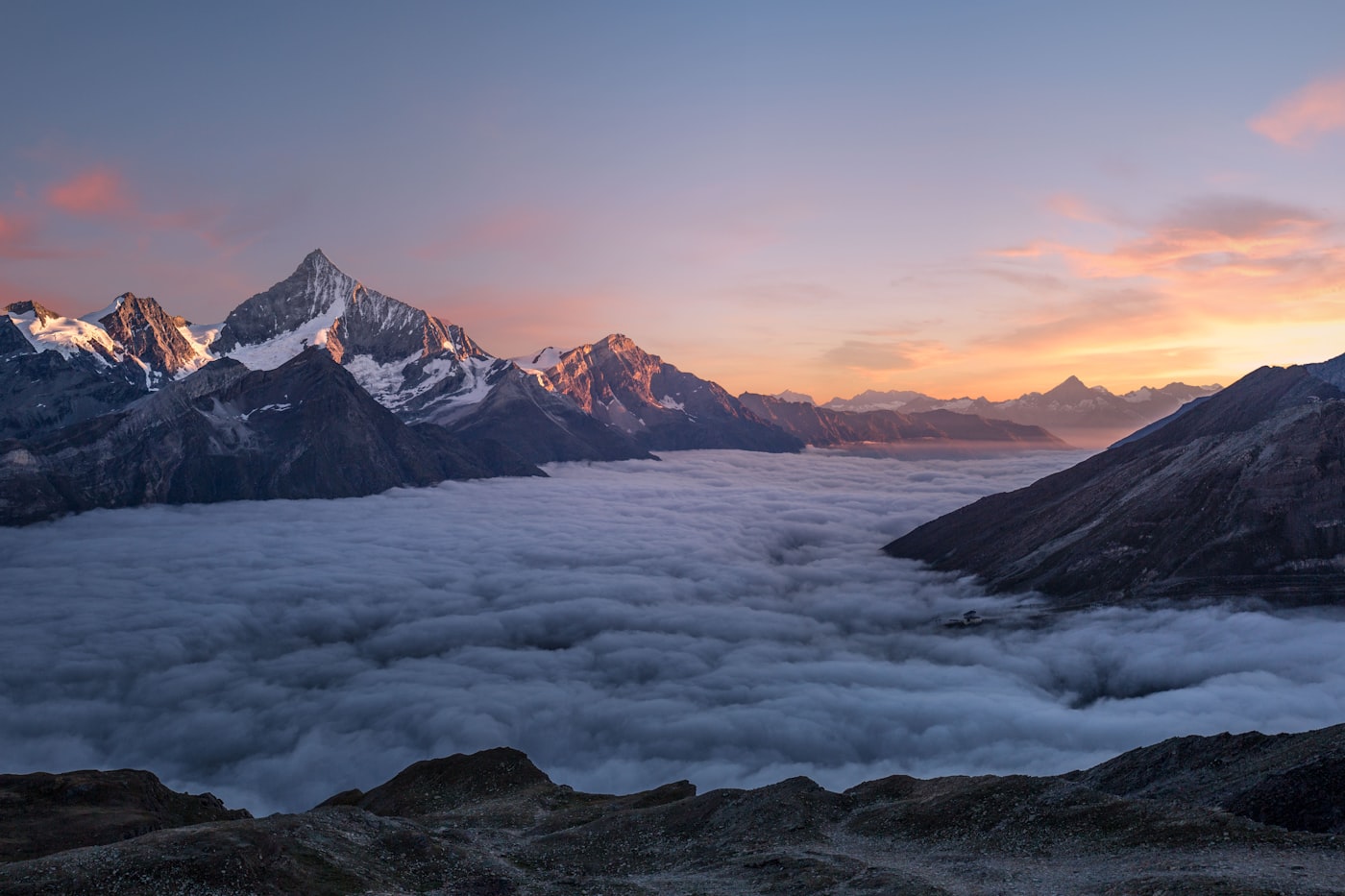
Kilimanjaro is more than a mountain, it is the rooftop of Africa, and standing beneath its snow capped peak left me awestruck. Climbers and casual visitors alike find wonder here.
Let me share the best things to do around Kilimanjaro with every practical detail.
Overview
Mount Kilimanjaro rises from the Tanzanian plains to nearly six thousand meters, the highest free standing mountain on earth. Its ice capped summit draws trekkers from around the world.
I found the whole region a delight, from the misty forests to the coffee farms at its base. It rewards both climbers and day visitors.
When to Go
The dry months from January to March and June to October are my favorite windows for Kilimanjaro, with the clearest summit skies.
I climbed in January and loved the settled weather and manageable temperatures on the trails. The rainy seasons of April and November make the routes slippery and views cloudy.
I would avoid them for a summit attempt. Even non climbers find joy here, with forest walks and farm visits galore. I saw the region through a delighted newcomer’s eyes.
Top Things to See and Do
Climb to the summit at Uhuru Peak for the experience of a lifetime. My sunrise at the top is a memory I will treasure forever.
If you skip the climb, trek into the lower rainforest or the Marangu gate for lush scenery. I saw monkeys and towering trees just past the entrance.
Explore the coffee and banana farms on Kilimanjaro’s slopes. I joined a farm tour and loved tasting the local brew. Visit the foothill villages and waterfalls that surround the mountain.
I hiked to a thundering cascade in the green valleys. The evening before my climb I relaxed in a garden hotel and watched the peak glow pink. The anticipation was electric.
Where to Stay
Most climbers start from Moshi or Arusha and stay in comfortable lodges and hotels. I based myself in Moshi and loved its easy energy.
Budget hostels and guesthouses crowd the towns for trekkers. I found them friendly and full of climbing stories.
For a special touch I chose a hotel with a view of the snow capped peak. Waking to that sight was pure magic.
I arranged airport pickup through my lodge to avoid confusion. A friendly driver met me and made arrival smooth.
Getting Around
The towns of Moshi and Arusha connect easily by local transport and rental cars. I used a mix of both to reach the trailheads.
Most trekking companies include transfers to the mountain gates, which simplified everything. I simply showed up and they handled the rest.
For the summit climbs I relied entirely on my guide team for logistics. It made the huge undertaking feel effortless.
A fresh avocado and banana shake at the farm stalls was my favorite treat. The local fruit simply tasted better on the slopes.
Food to Try
The mountain camps serve hearty high energy meals that fuel your climb. I loved the warm soups and banana stews on cold evenings.
Down in town I enjoyed Swahili dishes with rice, beans, and grilled meat. The flavors were comforting after days on the trail.
Tanzanian coffee from the slopes is exceptional, so I stocked up to bring home. The aroma alone is worth the effort.
Daily Budget
A budget traveler can see the base region for about fifty dollars a day with a simple room and local meals.
Climbing Kilimanjaro is the big cost, running from about one thousand five hundred dollars to well over three thousand. I chose a reputable operator and paid for safety.
I budgeted extra for gear rental, tips, and park fees on top of the climb package. It prevented nasty surprises.
Safety Tips
Altitude sickness is the real risk on Kilimanjaro, so I chose a route with enough acclimatization days. Slow and steady truly wins this climb.
I followed my guides strictly, drank plenty of water, and slept well each night. It kept me healthy all the way to the summit.
The weather turns fast on the peak, so I packed warm layers and let my team advise me. Preparation kept me safe.
Local Tips
Choose your climbing operator carefully and read reviews before booking. My success owed a lot to my excellent guides. Pole pole, meaning slowly slowly, is the golden rule of the climb.
I repeated it like a mantra and made the top. Tip your porters fairly, as they carry the real weight of your adventure. It is part of the proper local custom.
Day-by-Day Itinerary
Day one I rested in Moshi, organized gear, and met my guide team for a briefing.
Days two to eight I followed my chosen route toward the summit, passing through forest, moorland, and arctic scenes.
I reached Uhuru Peak at sunrise, celebrated with my team, and descended back to the welcome warmth.
After the climb I spent a lazy day on the farmlands and coffee terraces before moving on.
Common Mistakes
Choosing the shortest route to save money often fails with altitude sickness. I paid for extra acclimatization days and it paid off. Underpacking for the freezing summit is a dangerous error.
I brought layers and never regretted the extra weight. Rushing the descent can invite serious trouble, so I came down gently and steadily. It protected my knees and my health.



