

Things to Do in Kabul: A Traveler’s Guide
I will be honest with you. When I told people I was spending a week in Kabul, most of them looked at me like I had lost my mind. But Kabul is a city of layered history, stubborn resilience, and a kind of beauty that does not advertise itself. Set in a valley ringed by the Hindu Kush, it has been a crossroads for centuries, and the traces of that past are everywhere if you know where to look. After a week of wandering, here are the things I actually did and would do again.
The Gardens of Babur
My first stop, and the place I kept returning to, was the Gardens of Babur, known locally as Bagh-e Babur. This terraced hillside garden holds the tomb of Babur, the founder of the Mughal Empire, and it is the green heart of the city. The terraces climb steadily up the slopes of Kuh-e Sher Darwaza, and at the top you look out over the whole sprawl of Kabul below. I went in the late afternoon when families filled the walkways and the light turned the cypress trees golden. It is peaceful in a way that surprises you, given the city pressing in around it. Give yourself two quiet hours here.
The Kabul Museum
The National Museum of Afghanistan, just outside the city at Darul Aman, holds one of the most remarkable collections in the world. Decades of war saw much of it looted or destroyed, but the treasures that survived, including the Bactrian gold, are staggering. I spent a full afternoon moving slowly through the rooms, and the sheer age of the pieces, some dating back thousands of years, put the modern city into perspective. The building itself stands as a quiet act of defiance, a place that refused to lose its memory. Allow at least three hours.
The Darul Aman Palace
Just across from the museum sits the Darul Aman Palace, the grand ruined structure that dominates the western skyline. Built in the 1920s as a showpiece of modernization, it has been shelled, burned, and restored more times than anyone can count. I walked its grounds and up to its columned facade, and the contrast between its faded elegance and the city’s energy was striking. It is currently being restored, so access to the interior varies, but even from the outside it is one of the most atmospheric sights in Kabul.
Old Kabul and the Wazir Akbar Khan district
For street life, I wandered the older neighborhoods, especially around the Wazir Akbar Khan area and the winding lanes near the river. Here the city feels most alive, with shops spilling onto the streets and chai houses doing a steady trade. I stopped more times than I can count for cups of green tea and plates of kabuli pulao, the national dish of rice, carrot, and raisins cooked with lamb. The imperial-style buildings from the 1920s, some in grand decay, line streets that feel like a museum of a city that keeps rebuilding itself.
The Citadel and its view
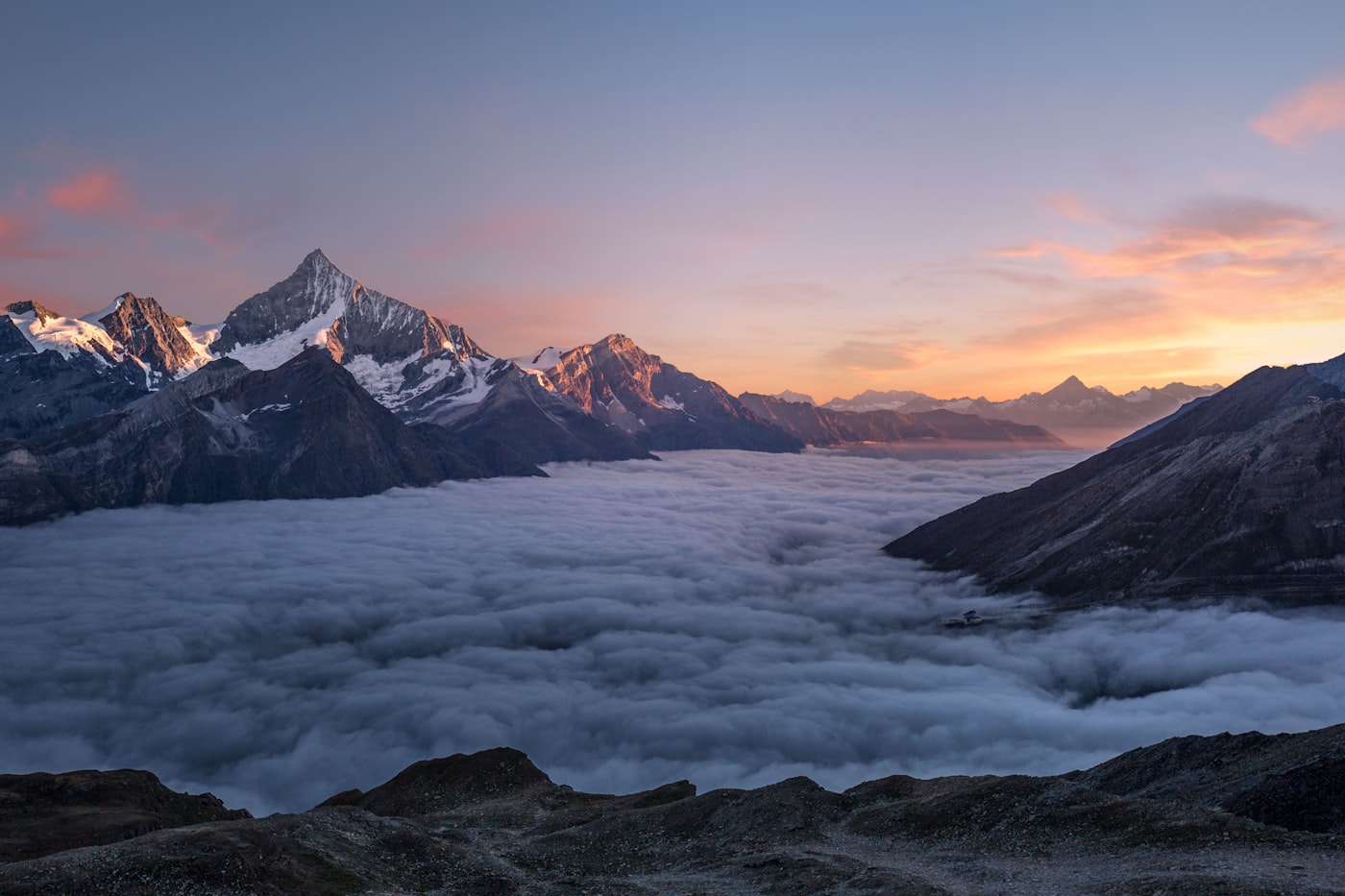
The old citadel area, perched on a hill above the city, offers the best wide view of Kabul and the mountains that ring it. I climbed up in the early morning before the haze thickened, and stood looking out over the valley as the city woke below. The rooftops stretched out, dominated by the mosque minarets, and the snowcapped peaks of the Hindu Kush rose behind everything. It is the single best way to understand the geography that shaped this place, a mountain city with the whole country in its sights.
Trying the food
No visit to Kabul is complete without eating your weight in pulao. I ate it at a simple house restaurant and at an upscale place, and every version was memorable, but the street version, served on a huge shared platter with fresh yogurt and naan, was the one I still dream about. Breakfast was often flatbread with clotted cream and jam, washed down with strong chai. The food culture here is generous and warm, and every meal came with an invitation to talk.
What to know before you go
Here is the honest part. This is not a backpacker city, and no amount of research replaces local advice. I traveled with a guide arranged through reputable channels, kept a low profile, and never wandered at night. Security advice changes constantly, so check the latest official travel guidance before you even book a flight, and do not rely on an article like this for safety decisions. When conditions allow, Kabul rewards you with a depth of history and human warmth you will find almost nowhere else.
Final thoughts
Kabul is not an easy destination, and I do not want to pretend it is. It is a city that has suffered enormously and still refuses to stop being alive. The gardens, the museum, the mountain views, the endless cups of tea with people who genuinely wanted to share their home, these are the memories I carried out. It will not suit every traveler, but for those who go prepared and with respect, it leaves a mark that does not fade.



