

Things to Do in Everest Base Camp, Nepal
I did not come to Everest Base Camp to conquer anything. I came to stand under the roof of the world and let it snatch my breath, and it did. But the days around base camp are not just about the one big viewpoint. They are a whole catalog of small pleasures, hard climbs, and strange silences that I did not expect. Here is my honest list of the things that made the loop memorable, in the order I would do them again.
Watch the Sunrise From Kala Patthar
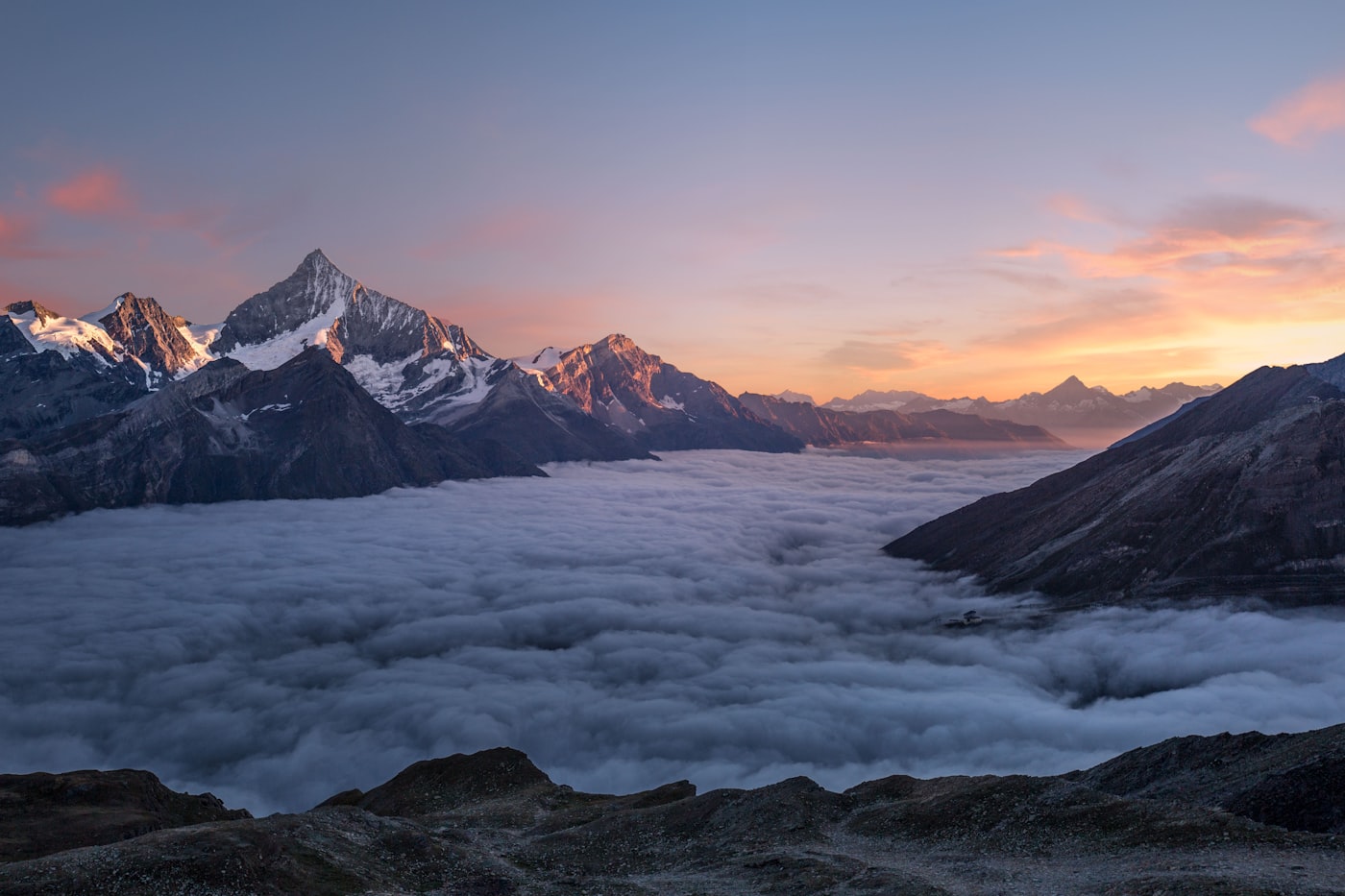
This is the single best view of the whole trek, and it belongs at the top of the effort budget. Kala Patthar is a rounded black hill above Gorak Shep, and from its top you see the full sweep of Everest, Nuptse, and Lhotse glowing in the first light. The climb is a steady grind in the dark with a headlamp, usually starting around four in the morning. I arrived gasping and freezing, but when the light caught the summit ridge I forgot both. Go on a clear morning, dress for heavy cold, and give yourself the extra hour it takes at altitude.
Walk Out to the Icefall at Base Camp
The campsite that climbers call base camp sits on a rocky glacial moraine near the Khumbu Icefall. Guided by a permit, you can walk along the boulder field and watch the ice towers and crevasses of the glacier below. During climbing season, usually April and May, you might see tents pitched and hear the low hum of expedition life. Off season the place is quiet and windswept. I found the icefall both beautiful and sobering. Stand well back from the edge, follow your guide’s marks, and bring good boots, because the ground is sharp and uneven.
Marvel at the Khumbu Glacier
The glacier is not a postcard. It is a great shifting field of grey ice, dusted with rock, cracking and moving under its own weight. Walking beside it for the final stretch of the trek is hypnotic. I stopped often just to listen. The glacier groans, pops, and trickles all at once. Notice how the lateral moraine walls rise around you, and how the path threads between them toward the camp. It is the quietest loud place I have ever been.
Sleep a Night at Gorak Shep
Most trekkers spend their base camp night at Gorak Shep, a small settlement of lodges on a dry lakebed at about 5,164 meters. It is cold, basic, and absolutely worth the stay. In the evening the dining hall fills with travelers trading stories, and there is a strange warmth in that shared tiredness. Wake early for both Kala Patthar and the walk to base camp. The temperature inside the rooms drops far below freezing, so bring your warmest sleeping bag and dry socks for the morning.
Drink Butter Tea in a Sherpa Village
Below the high country, villages like Namche Bazaar, Tengboche, and Khumjung carry the real soul of the route. Spend an afternoon sitting in a small lodge with a cup of salty butter tea and listening to the sherpa families who have lived here for generations. The Sherpa culture of the Khumbu is deep, and their temples and festivals are part of the trail’s fabric. I visited the monastery at Tengboche during morning prayers and the sound of the horns and chanting stayed with me for days. Be a respectful guest, take off your shoes, and let the pace slow down.
Climb the Stairs to Namche Bazaar
The entrance to Namche is a long punishing stairway, and reaching it earns you a real town on a hillside. Namche is the gateway and market hub of the Khumbu, with bakeries, gear shops, and the famous Saturday market where traders come down from higher valleys. I wanted to skip the famous view point above town until a local insisted, and I am glad I went. From the hilltop behind Namche you see Everest’s neighbors loom over the gorge. Treat Namche as your acclimatization day: walk up, drop down, and sleep low.
Cross the Hillary Suspension Bridges
The trail is strung with long, swinging suspension bridges over roaring glacial rivers. The famous double bridges near the entrance to Sagarmatha National Park are a rite of passage. I gripped the railing hard on the first one, only to watch a porter cross with a basket on his back and several eggs in his pockets without breaking rhythm. Each bridge is a chance to stop and watch the milky blue water churn below. Go slowly, let the faster trekkers pass on the narrow spans, and enjoy the slight sway.
Take a Rest Day to Acclimatize Properly
The single smartest thing I did was take a full rest day in Namche and another at Dingboche. The rule is climb high, sleep low, and your body will thank you. On rest days I walked short loops to higher ground and returned to sleep at the lower lodge. It felt like wasted time on day one and by the time I reached base camp without a headache I understood why it was not. Altitude sickness is the real risk on this trek, so respect it. Walk slowly, hydrate, and never be afraid to turn back if you feel unwell.
Catch the Prayer Flags at Sunrise
There is no single reason I will return, but if I had to name one moment, it is standing among the strings of prayer flags at the Teahouse at Gorak Shep as the sun came up on the whole massif. The flags snapped and danced in the wind, and I had the absurd sense that every one of them was sending something up. That is what base camp finally asks of you, to slow down in a place where the air is thin and the view is enormous. Do the climbs, eat the dal bhat, drink the butter tea, and give the mountains your attention.



