

10 Things to Do in Bujumbura, Burundi
Bujumbura sits on the north shore of Lake Tanganyika, and it is one of the least visited capitals in Africa. The country has a complicated recent history and a real security situation that changes. Please read the safety note at the end of this list before you book anything. When conditions are calm, this city rewards the traveler who plans properly.
1. Watch the Sunrise Over Lake Tanganyika
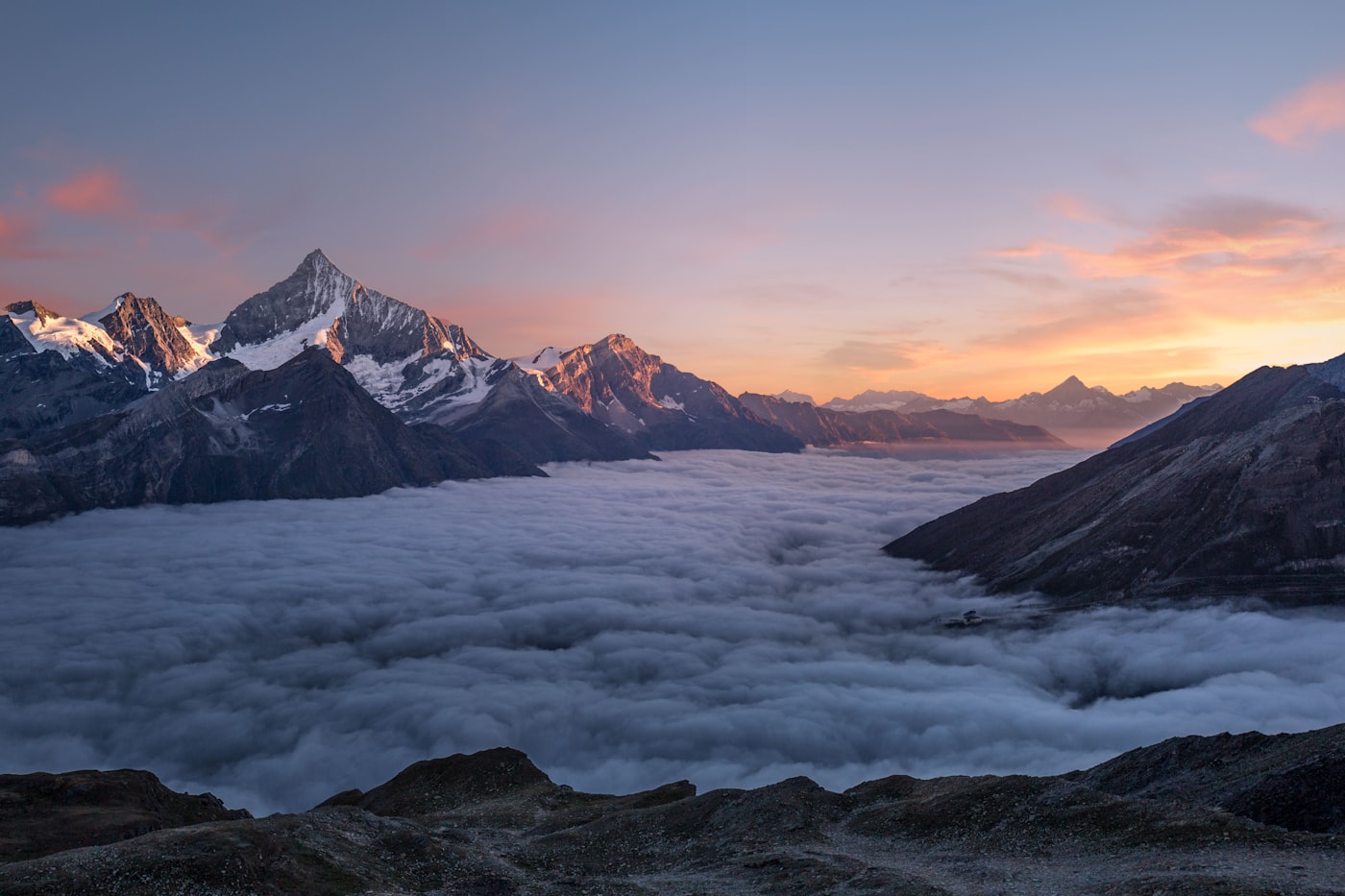
The lake is the city’s whole reason for being. I walked down to the water at dawn and watched the sun come up over one of the largest and deepest lakes in the world, its surface flat and silver in the first light. Fishermen in wooden boats were already out, pulling in nets against the glare. It costs nothing
2. Walk the Central Market
Bujumbura’s main market is where the city does its real buying and selling, fruit, cloth, household goods, and I found it a genuine slice of daily life. Stalls overflow with produce and the noise is constant in a good way. Go with a local guide if you can, agree prices gently, and keep your phone out of sight. It is a real market rather than a tourist one, so treat it with the same care you would any crowded urban market anywhere.
3. See the Independence Monument and Central Area
The center holds monuments and government buildings that trace the country’s history, and the Independence Monument is the main one to find. I walked the central boulevards with a guide who explained the layers of the country’s past, and it helped me read the city in a way I could not have done alone. The central area is walkable but it is a working capital, so keep the same sensible caution you would in any city and avoid wandering after dark.
4. Try the Fresh Lake Fish
The local lake fish, often grilled whole and served with plantains, is the dish to eat here. I ordered it at a simple waterfront place and the fish came out simply cooked and excellent. It is cheap, fresh, and completely local. Follow wherever the residents are eating rather than wherever the tourist guides point, because the quality follows the locals. Nearly every meal I had by the lake beat what I could find further inland.
5. Drink Burundian Coffee
Burundi grows real coffee in the hills, and the capital is the place to taste it fresh. I sat in cafes and drank cups that were smooth and bright, in a country hardly known for its coffee abroad. Small bags of local beans make an honest souvenir. Ask where the coffee is from and you will get a lesson in the country’s geography and economy along with your cup. It is one of the quietly delightful parts of visiting.
6. Visit the Small Museums for Context
The collections in Bujumbura’s small museums tell the story of the region before and after the colonial period, through objects, photos, and maps. I spent a quiet afternoon in the national museum and left with far more context than I arrived with. The buildings are modest and the displays varied, but they matter. Go with a guide who can translate and frame what you are seeing, because the full meaning does not always transfer on the label alone.
7. Walk the Lakefront Promenade
A strip along the lake is given over to strolling, and in the late afternoon families come down to walk and watch the water. I joined them as the light turned warm and the day wound down. It is the most pleasant and most local part of the city, a place that feels entirely separate from the formal center. The promenade is most reliably social in the daylight hours. It is a good way to end a day and see the city at ease.
8. Take a Boat Out on the Lake
If the conditions and your comfort allow, a short boat ride gives you the city from the water and access to a few beaches and villages along the shore. I took a supervised trip at a calm time and saw the lake from its own surface, the city shrinking behind me. Arrange the boat through a trusted guide or accommodation and confirm the safety situation with them the same day. Stay sharp, since the lake is beautiful.
9. Learn Something of the People’s History
Beyond the monuments, this is a country of warm and resilient people who have been through a great deal. The most valuable thing I did was simply having honest conversations with Burundians about their country, their food, and their hopes. Travel here is more than sightseeing, it is meeting people who have rebuilt a nation.
10. Respect the Security Reality, Honestly
I have to be direct with you here. Parts of Burundi carry a real risk that changes often, and your personal safety depends on up-to-date official guidance, not on an article I wrote. Before you go, check your government’s travel advisory for Burundi, register your presence if your embassy offers it, and only move in the city through trusted, recommended routes. Many areas outside the capital need particular care and some should be avoided entirely. Travel planning here is a matter of current events, so build your trip around the situation this week, when you book, and again when you land. The city itself can be rewarding and welcoming in calm periods, but that comes with a working set of precautions that you must take seriously.
Bujumbura will not be for everyone, and that is fine. It is a city of a lake and a people with a hard history, and it asks you to bring patience, caution, and an open mind. Keep your security to today’s advice, use trusted local guidance for every move, and stay out of situations the advisory warns you about. When the conditions allow, you will find an African capital that incredibly few travelers ever see, and you will remember it for exactly that reason.



