

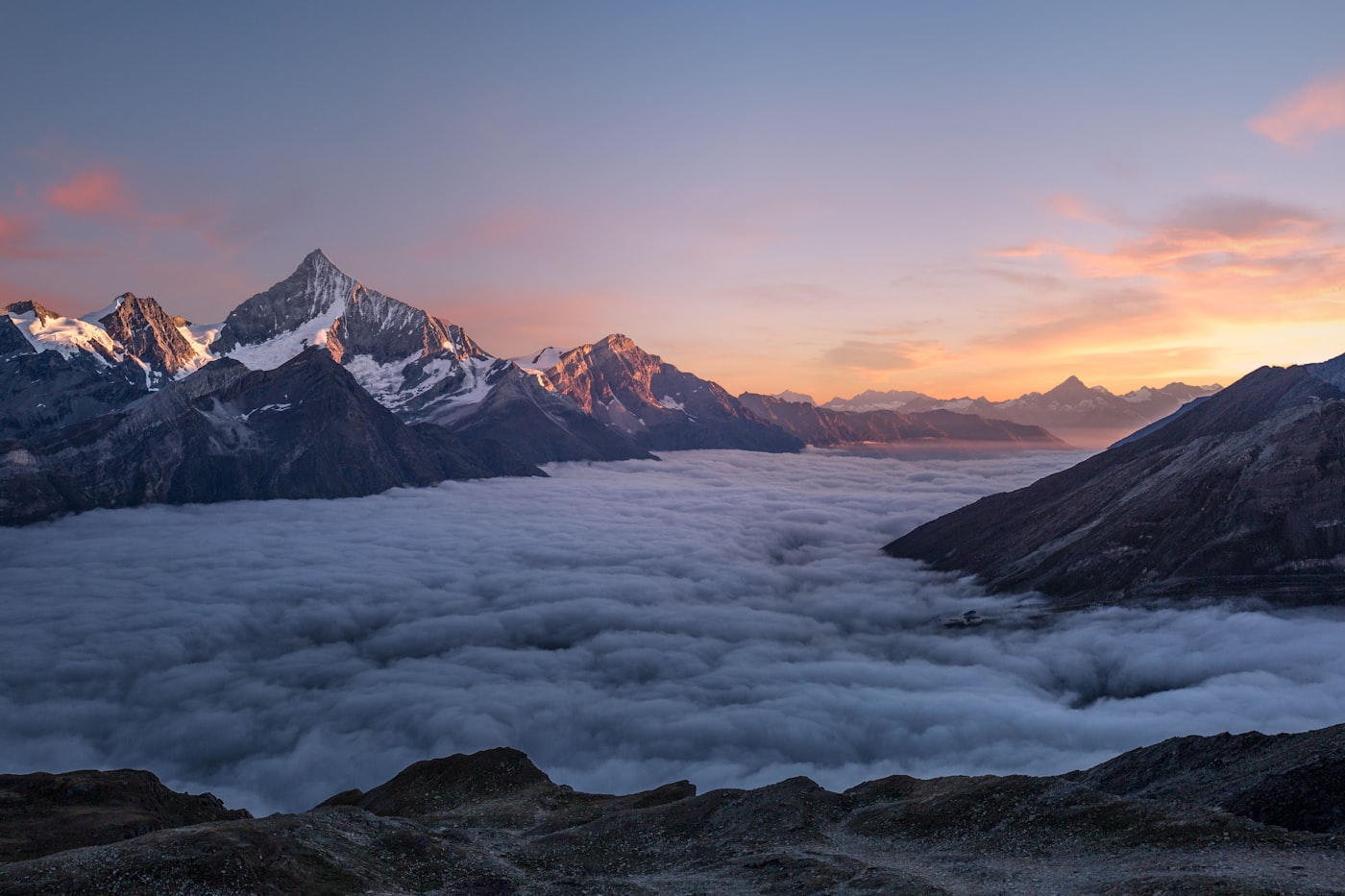
Bujumbura greeted me with palm trees, a sweeping lakeshore, and a wonderfully relaxed mood. The capital of Burundi surprised me with its gentle beauty and warmth.
Overview
The horizon is dotted with the misty peaks of the Congo across the water. It makes sunsets here genuinely unforgettable and quietly romantic.
Bujumbura sits on the northeastern shore of Lake Tanganyika, Africa’s deep southern lake. Its wide streets, lively markets, and musical culture give it a distinct charm.
The city mixes Swahili, French, and Kirundi influences into a colorful everyday life. I found friendly people, leafy boulevards, and a pace far calmer than most capitals.
When to Go
I came in July during the drier season, when the weather stayed mild and pleasant. Days were warm and sunny, perfect for exploring the lakeside and the hills.
The dry months from May to September offer the most dependable weather. Rain returns from October onward, bringing occasional heavy showers and greener landscapes.
Top Things to See and Do
The Musee Vivant, a living museum, shows crocodiles, snakes, and local crafts. I wandered its gardens and enjoyed seeing village life pieces up close.
Walking the lakefront promenade became my favorite daily escape in the city. Fishermen, joggers, and families all shared the breezy path beside the calm water.
The Rusizi National Park lies just outside town and protects wetland wildlife. I spotted some hippos and crocodiles there on a quiet, memorable boat safari.
I visited the Livingstone stone, marking the explorers’ famous lakeside meeting. It makes a simple yet meaningful cultural stop right beside the calm water.
The central market burst with vivid fruit, fabrics, and busy human energy. Browsing its stalls taught me more about everyday Burundi than any museum could.
Bujumbura is known as the drum capital of Africa, with a proud royal tradition. I caught a live drumming performance that shook the whole room with rhythm.
Where to Stay
Hotels line the lakefront and the central roads, catering to business and travel. I chose a comfortable place near the water with dependable service.
Budget guesthouses and homestays offer cheaper, friendlier local experiences. Booking in advance helps, since the hotel stock in town remains fairly limited.
Getting Around
For arrivals, the international airport sits a short drive from downtown Bujumbura. A taxi ride from there ran smoothly and stayed reasonably priced.
Taxis and moto-taxis move you across the spread-out city quickly and cheaply. I negotiated fares clearly before each ride to avoid any confusion.
For the national park and nearby villages, hiring a car with a guide works best. Walking suits the central areas and the pleasant lakeside promenade well.
Food to Try
Locals also love grilled skewers and spiced street snacks sold at dusk. I sampled them with friends and found the flavor rich and satisfying.
Burundian meals lean on beans, plantains, and grilled fish from the lake. I loved the hearty stews served with steamed rice or smooth cassava flour.
Grilled fish caught fresh from Lake Tanganyika tasted superb by the waterfront. Squeezed with lemon and served with plantain, it made a perfect dinner.
The famous local coffee, grown in the highlands, was rich and smooth in my cup. I savored it with fresh tropical fruit for a slow, satisfying breakfast.
Daily Budget
I spent roughly thirty-five dollars a day as a careful budget traveler here. A decent hotel, local meals, and moto-taxis all stayed within that easy figure.
Boat safaris and guided day trips added extra cost on active sightseeing days. Budgeting fifty or sixty the day you visit the national park covers everything.
Safety Tips
I found Bujumbura friendly and calm, though I stayed alert in crowded places. I avoided walking alone late at night and used recommended transport instead.
I checked the latest travel advice before my trip and stayed aware of local news. Keeping my documents safe and informing my embassy gave me real peace of mind.
Local Tips
A few words of Kirundi or French opened warm conversations everywhere I went. Locals clearly appreciated the small effort and repaid it with huge smiles.
Carry small cash notes for taxis, market stalls, and entry fees around town. Cards work in few places, so cash became my constant and essential companion.
Day-by-Day Itinerary
On day one I strolled the lakeside promenade and explored the lively central market. I ended the day with grilled fish as the sun sank over the water.
Day two took me to Rusizi National Park for a boat safari among the hippos. Back in town, I caught the powerful drumming that left me utterly in awe.
On day three I visited the Livingstone stone and relaxed along the lakefront. A slow coffee and souvenir browse made a calm, fitting farewell to the city.
Common Mistakes
Do not skip the local drums, coffee, or the simple lakeside evenings around town. These quiet experiences reveal the real, welcoming soul of Bujumbura.
Do not judge Bujumbura on out-of-date news, since the city has grown calmer. I felt genuinely welcome, though I still stayed sensible and well informed.
Do not rush the lakeside, which deserves slow mornings and easy evenings. The light over Lake Tanganyika at dusk is something you simply will not forget.



