

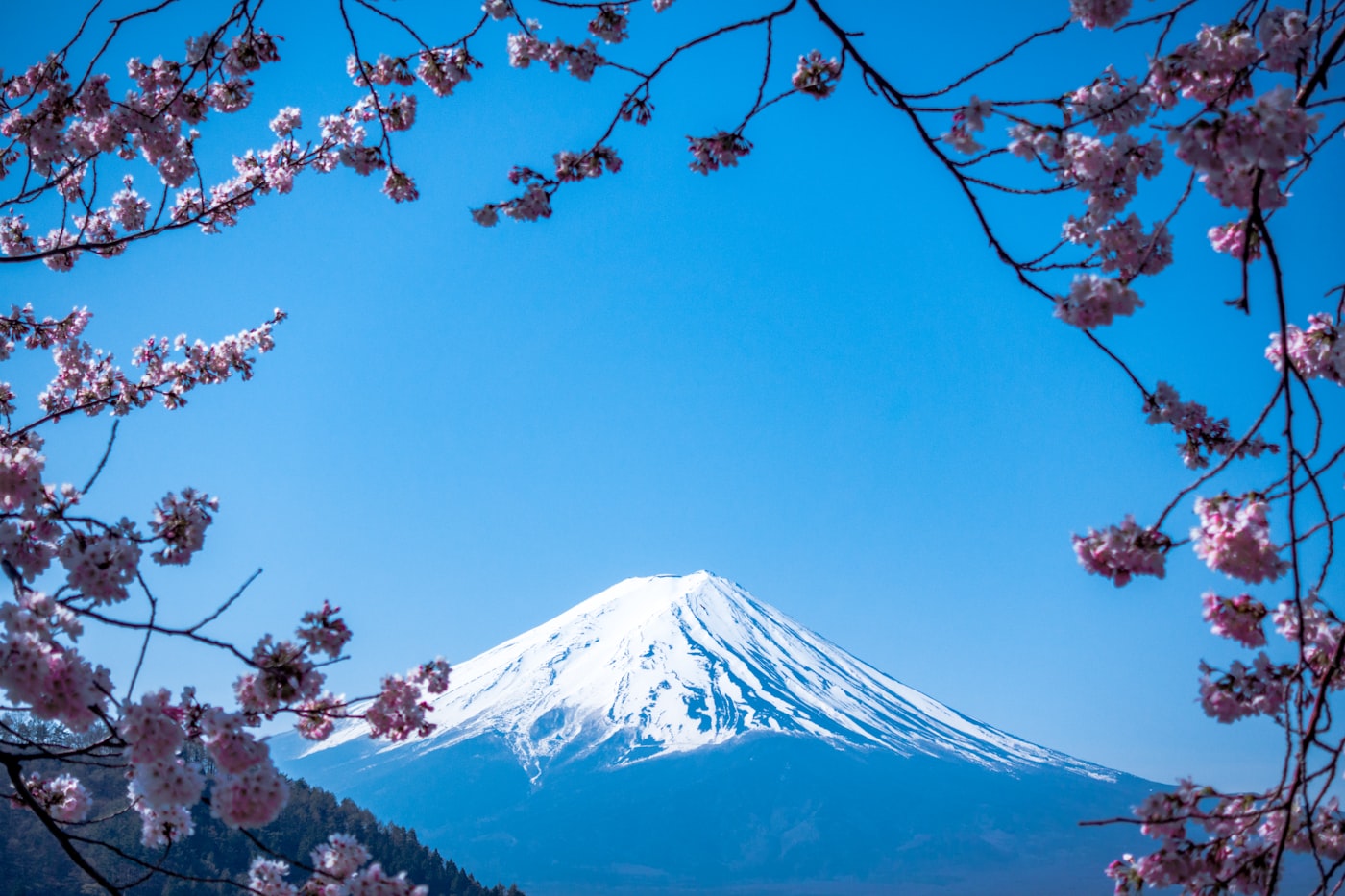
12 Things to Do Around Mount Fuji, Japan
The first time the clouds parted and Mount Fuji stood in front of me, I simply stopped walking. It is that kind of mountain, perfectly symmetrical and snow capped, and it holds the whole region in its shadow. I based myself near Lake Kawaguchi for five days and went day by day around the base. Whether you have a single clear day or a long weekend, here is what I would do to make the most of the area.
See the mountain from Chureito Pagoda
This five story pagoda on a hill across the lake is the postcard shot, and it earns every frame. I climbed the steps early in the morning and found Fuji rising behind the red pagoda, with blossom in spring and clear air in winter. It is a short walk from the Shimoyoshida train station, and the uphill path takes about twenty minutes. Go at sunrise to dodge the tour groups and catch the soft light.
Walk the shore of Lake Kawaguchi
Of the five Fuji lakes, Kawaguchi is the easiest and the most photographed. I walked a long stretch of the north shore with the mountain straight ahead, then stopped at a lakeside cafe facing the water. In spring the cherry trees bloom along the path, and in winter the view can be dramatic and clear. Rent as much time here as you can; it is the heart of the area.
Ride the Mt. Fuji Panoramic Ropeway
The cable car carries you up to an observation deck with sweeping views over the lake and the mountain face. I took it up and walked the short loop at the top, finding a quiet bench where I could just look. There are small shrines and, in good weather, unobstructed views of Fuji. The ride is short but the deck rewards a slow visit.
Soak in an onsen with a Fuji view
After a day outdoors, a hot spring bath facing the mountain is the best reward Japan offers. Several baths around Kawaguchi and Hakone have outdoor tubs with direct volcano views. I went for the last soak of the day as the sun dropped behind the summit. Check the rules before you go, since tattoos are not always welcome and modesty rules apply.
Walk the slopes at Mt. Fuji’s fifth station
In summer, the Fuji Subaru Line climbs to the fifth station at 2305 meters, where day visitors can step out onto the volcanic slopes. I walked the short trails near the station, felt the altitude in my legs, and got an up close look at the barren landscape. The road is closed in winter, so check seasons. It is a taste of the mountain even if you never climb the summit.
Follow the Hoto noodle trail
Hoto is a thick noodle and vegetable stew served bubbling in a clay pot, and the region’s signature comfort food. I ordered it in a rustic diner near the lake and it warmed me down to my toes. Pumpkins and greens simmer with wide noodles in a rich miso broth, hearty and perfect after a cold morning. Look for small local spots over the tourist cafes.
Drive the Fuji Subaru Line for the road itself
Setting aside the station at the top, the road winding up the mountain is an adventure on its own. I drove it slowly, stopping at lookout points as the view opened wider. In autumn the forested lower slopes turn orange and red. It demands a car and careful steering, but it is one of the great mountain roads in Japan.
Explore the caves of Aokigahara Forest
The forest at the mountain’s base sits on old lava flows and hides caves that formed as the rock cooled. I joined a short guided walk into the ice cave, where the temperature drops sharply and old ice lingers deep in the tunnels. It is eerie in a beautiful way, and totally different from the lake views. The forest is easy to reach by bus or car.
Cycle around Lake Yamanakako
Yamanakako is the largest of the five lakes and the highest, with a flat shoreline that suits cycling. I rented a bike and rode for a couple of hours with Fuji presiding over every turn. The air is clean and cool, and the lake feels calmer than busy Kawaguchi. It is a low effort way to take in the scenery.
Take the Hakone Loop for the full mountain circle
If you want to see Fuji from a different angle, the Hakone loop combines a cable car, an aerial ropeway over volcanic valleys, and a cruise across Lake Ashi. I did the loop in a day and loved the ride over the steaming Owakudani valley, tasting the black eggs boiled in the hot springs. It is touristy but genuinely spectacular, and the mountain appears at several points along the way.
Pack a picnic at Oshino Hakkai
This village of spring fed ponds sits in view of Fuji, the water so clear you can see the bottom. I bought snacks at the small stalls and sat by the ponds with the mountain overhead. The spring water comes from snow melting off Fuji, purified through the volcanic rock. It is a gentle, pretty stop that works well between lakes.
Practical tips for a clear view
Fuji is shy, and clouds can hide it for days. Check the weather forecast for visibility before planning your big view moments, and put your key sights early in the day when the air is clearest. Winter and spring often give the best views. Bring layers, since the lakes sit cooler than Tokyo. If you only have one day, combine Chureito Pagoda, Lake Kawaguchi, and an onsen, and you will leave satisfied.
Mount Fuji is not just a photo to chase. It is a presence you feel across the whole region, at lakes, on trails, over dinner. I came for the picture and stayed for the calm.



