

Tajikistan Travel Guide
I almost talked myself out of Tajikistan. Every forum I read warned about the roads, the permits, and the altitude. Then I went anyway, and I came home convinced it was the best decision of my whole Central Asia trip. This is the guide I wish I had read before I flew into this remarkable country.
Why it is worth the effort
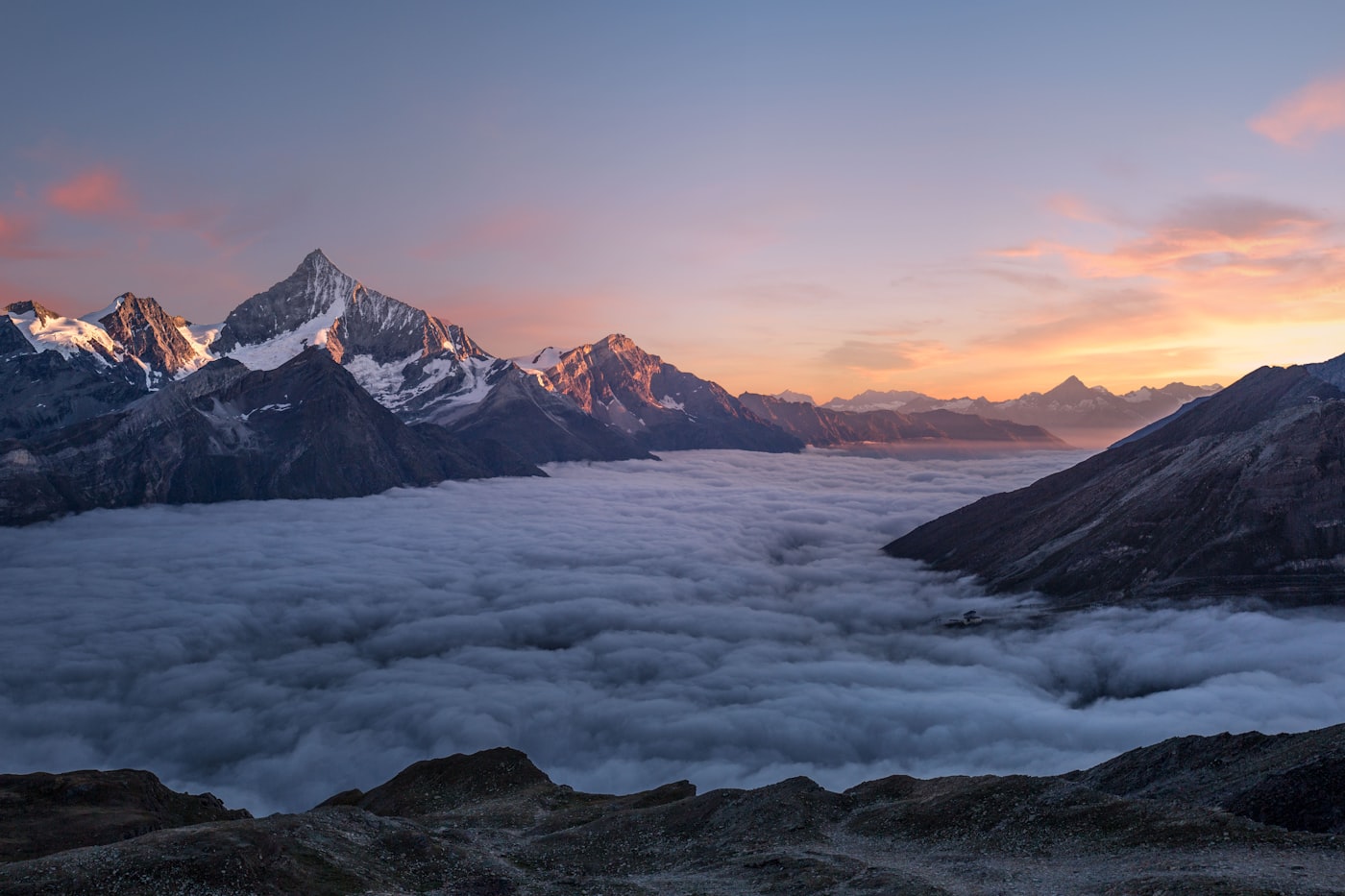
Tajikistan is the quiet underdog of Central Asia. The Pamir Mountains, some of the highest on Earth, run through its heart, and the scenery is raw in a way that photos do not capture. You trade comfortable infrastructure for landscapes and encounters that money cannot buy elsewhere. The more remote it got, the more I felt I had found something real and unpolished.
The route I took
I started in Dushanbe with a couple of days to adjust, then headed east toward the Pamir Highway. I went through the Wakhan Valley along the Afghan border, which I cannot recommend enough, then crossed to Osh in Kyrgyzstan via the two highest passes in the region. It took about eleven days and felt like a month in the best way.
Town by town I kept it simple. Dushanbe for museums and good food, Khorog as a rest hub, a homestay in a tiny village at 4,000 meters, then over the passes. Shared jeeps and organized group tours both work; I met solo travelers who patched together rides without much trouble. A little flexibility smoothed every knot in the plan.
Paperwork and permits
Most travelers need a GBAO permit to visit the Pamir region and eastern Tajikistan. It is cheap and easy to arrange once I was in the country, usually through a hotel or agency in Dushanbe. Beyond that, visa policy is generous for many passports, but check your own before you book.
I also registered properly and carried my details carefully. The border crossings themselves were patient and straightforward once I had my documents in order, with a few forms to fill at each check. Keep a couple of passport photos and a copy of your accommodation handy and the queues move faster.
Where I stayed
Homestays rule the Pamir. Families open their doors, feed you soup and bread until you cannot move, and let you in on the way. Prices are modest, and the warmth is the real reason to go. In Dushanbe I found a clean budget hotel with a real breakfast, which my stomach appreciated before the road. The contrast between the two was a delight rather than a hardship.
Food on the road
Meals are simple but honest. I ate a lot of bread, rice, eggs, and the occasional dried meat, plus generous pots of tea. Restaurants are rare on the highway, so homestay dinners and snacks I carried filled the gaps. A few careful grocery stops in the bigger towns made everything easier, and I learned to grab supplies whenever I saw a decent shop.
Getting around
The public transport network runs on jeeps, shared taxis, and enough patience to go around. Schedules are loose, so I learned to arrive early and be flexible. Hiring a driver for a section, splitting the cost with other travelers, was the smoothest stretch of my whole trip. It turned a stressful road into a rolling conversation with the mountains.
What to pack
Altitude made layers essential. I used a warm jacket at night even in summer, strong sunscreen, a hat, and sturdy boots for the short hikes. My reusable bottle got constant use thanks to a strong water supply at homestays, and wet wipes came to the rescue more than once on the dusty roads. A sleep mask and earplugs saved my sanity in shared rooms.
Health and altitude smarts
Altitude was the quiet giant nobody on the forums mentioned enough. Above 3,500 meters the air thins fast, and my sleep went patchy for a night before I settled. I gave myself extra days to climb, drank far more water than felt necessary, and kept ibuprofen and rehydration salts close. None of it became a crisis, but the care made the high nights warm and restful.
I also kept a small medical kit with basics for stomach upsets and minor cuts, since pharmacies thin out beyond the towns. A tube of antiseptic and some plasters solved more problems than I expected. Add to that a supply of hand sanitizer and wipes, and the dustiest days lost most of their sting.
My honest verdict
Tajikistan rewards the traveler who plans a little and flexes a lot. It is not the easiest country I have visited, and that is exactly what made it unforgettable. I left with dusty boots, a full heart, and the firm belief that the places that cost you the most effort pay back the most.



