

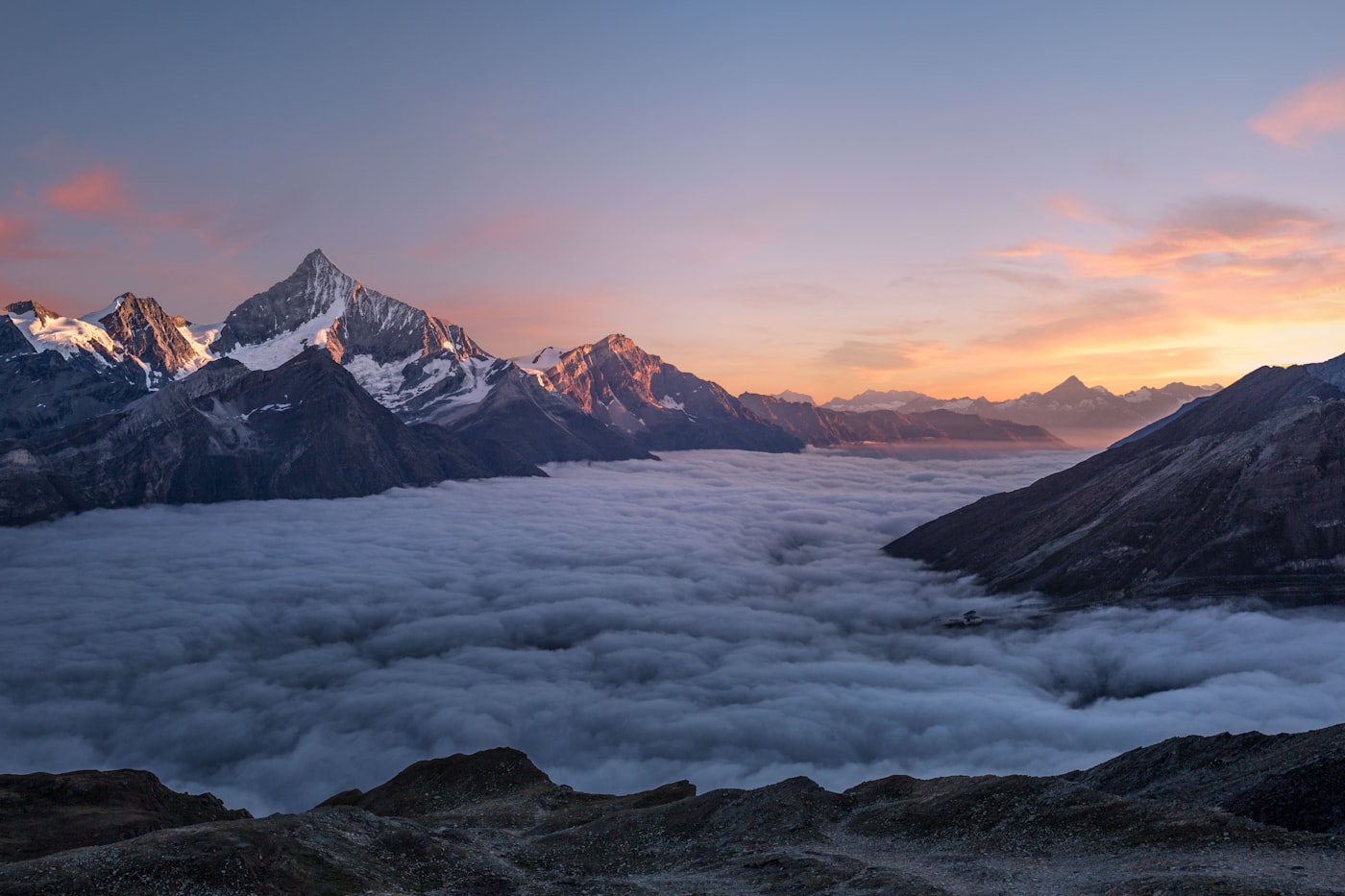
Saint Lucia stunned me with its volcanic peaks and turquoise water. Let me help you plan an unforgettable trip to this lush Caribbean island.
Overview
Saint Lucia sits in the eastern Caribbean with a dramatic volcanic landscape. Twin peaks called the Pitons rise straight from the sea.
The island pairs rainforest, waterfalls, and black sand with warm hospitality. I found beaches and adventure within easy reach of each other.
English is widely spoken, and the pace is wonderfully relaxed.
When to Go
The dry season from December to May brings the most sunshine. It is the favorite window for beaches and hiking. February through April offers the calmest seas and clearest skies.
Expect higher prices in this popular season. The wetter season from June to November still pleases many travelers. Rates drop, and the green hills glow beautifully.
Keep an eye on the hurricane season running roughly June to November. Watch forecasts if you travel in those months.
Top Things to See and Do
The Pitons stand as Saint Lucia’s most iconic sight. I admired them from the water and from mountain trails. Climb Gros Piton for a challenging, rewarding view.
The guided trek takes most of a morning. Visit the Sulphur Springs drive in volcano and mud baths. I loved soaking in the warm, mineral rich pools.
Cruise Marigot Bay, a gorgeous natural harbor framed by hills. Yachts and local boats share its calm water. Relax at Rodney Bay for beaches, dining, and nightlife.
It is the island’s liveliest resort area. Join the Friday night street party at Gros Islet. Music, food, and dancing fill the whole evening.
Take a catamaran cruise along the western coast. Sunset sailing past the Pitons is simply magical. Snorkeling at Anse Chastanet ranks among my favorite spots.
Colorful coral and fish gather there effortlessly. Snorkeling at Anse Chastanet ranks among my favorite spots. Colorful coral and fish gather there effortlessly.
Where to Stay
Rodney Bay suits travelers wanting beaches and restaurants. I found it lively, easy, and very convenient. Soufriere puts you near the Pitons and volcano sights.
It is more laid back and dramatic. Castries, the capital, works well as a transport hub. It has markets and ferry connections to nearby islands.
Luxury resorts cluster along the coast with stunning views. Book ahead for the best rooms and rates.
Getting Around
A rental car gives the most freedom for exploring. Driving means navigating winding, narrow island roads. Taxis and private drivers are easy to arrange everywhere.
Agree on fares before you start your journey. Local buses called minibuses run between main towns cheaply. They are an affordable, authentic way to travel.
Boat tours link many coastal sights by water. They beat long drives to reach the western delights.
Food to Try
Hot pepper sauces deserve the spotlight on the island. Try everything from mild to blazing heat. Green figs and saltfish is a beloved national dish.
It makes a filling, comforting breakfast option. Fresh grilled fish and lobster appear at seaside spots. Village fish fries are a lively local tradition.
Bakes and fried plantains make easy, tasty snacks everywhere. Pair them with fresh tropical fruit. Rum punches and local beers keep things very casual. Piton beer is the perfect island drink.
Daily Budget
A daily budget around 120 dollars works for one traveler. That covers meals, transport, and activities. Resort stays cost more than guesthouses and villas. Street food keeps daily costs impressively low.
Boat trips and guided hikes add up, so budget carefully. Book in advance for the best value.
Safety Tips
Saint Lucia is a friendly island for most travelers. I felt safe in the main resort areas. Use registered taxis at night and stick to well lit streets.
Plan your evenings sensibly. Mind the strong sun and sea currents when you swim. Reef shoes protect against the rocky shallows. Watch for bugs in the rainforest areas after sunset.
Repellent keeps evenings comfortable.
Local Tips
Learn a few friendly Creole greetings for warmer welcomes. Locals appreciate the genuine effort. Try the local fish fry nights for authentic food and fun.
They are a highlight of island culture. Carry small cash for markets, buses, and street stalls. Many small vendors prefer simple payments. Ask about weather before booking boat trips and hikes.
Conditions shift quickly in the tropics. Try a chocolate tour to learn about island cocoa. The tasting is both tasty and fascinating. Try a chocolate tour to learn about island cocoa.
The tasting is both tasty and fascinating. Pack reef safe sunscreen to protect the fragile corals. Eco friendly choices help the whole island.
Day-by-Day Itinerary
Day one explores Rodney Bay, Pigeon Island, and the beach. End with a lively local dinner. Day two heads south to Soufriere, the volcano, and Gros Piton.
I finished with a relaxing mud bath. Day three sails along the western coast past the Pitons. A sunset catamaran trip is the perfect finale.
Common Mistakes
Do not try to see the whole island in one rushed day. Give yourself at least three or four days. Avoid skipping the island’s nature and volcano sights.
They capture Saint Lucia like nothing else. Do not underestimate the hilly driving conditions and narrow roads. Build in extra travel time everywhere.
Do not underestimate drive times along the winding roads. They always take longer than you expect. Do not underestimate drive times along the winding roads.
They always take longer than you expect.



