

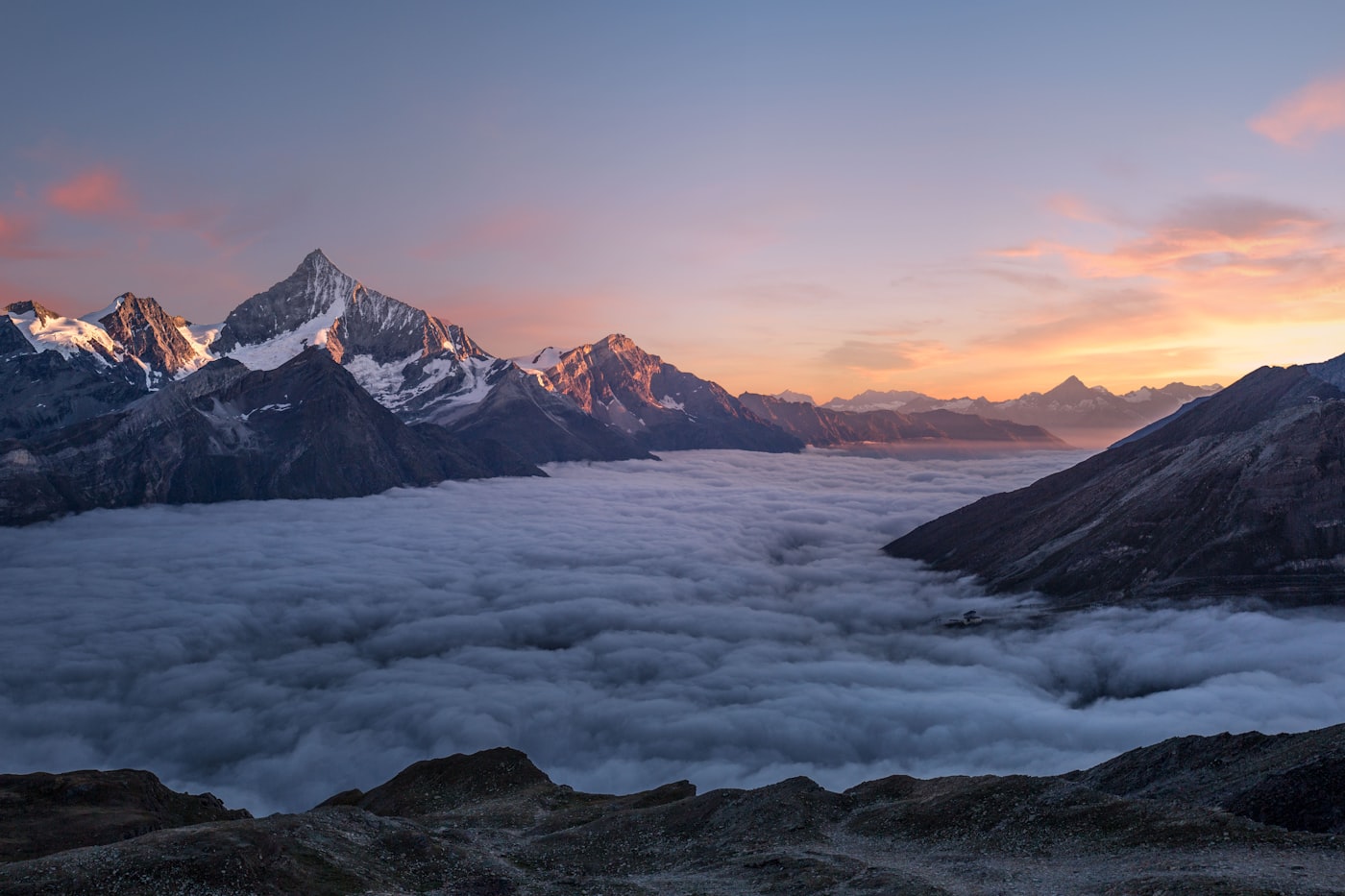
Solo Female Travel in Tajikistan
I will not pretend the Pamir Highway was an easy first solo trip. It was dusty, remote, and at times I felt like the only woman on the road. It was also one of the most rewarding, generous, and quietly safe journeys I have ever taken. Let me tell you what that felt like from the inside.
The honest safety picture
Tajikistan is widely considered safe for women travelers, and my experience matched that almost completely. Local communities are warm and protective, and crime against foreigners is rare. I walked Dushanbe at night, rode shared jeeps across mountains, and stayed in tiny village homestays without a single moment of genuine fear.
What exists is mild and manageable: persistent sellers, occasional stares, and the odd man who lingered a beat too long. I learned to say no clearly, keep moving, and it never escalated anywhere near danger. The smile of a local grandmother every day washed out the handful of awkward moments.
Where the real challenge lives
Honest truth: the harder part of solo female travel in Tajikistan is logistics, not danger. Remote distances, loose schedules, and the sheer remoteness of the high valleys asked me to be organized. I arranged my GBAO permit, kept my documents in order, and learned to arrive at jeep departure points earlier than the crowds.
The remoteness also meant fewer solo women to meet. I joined a small group for one of the most remote jeep sections, which gave me company, shared cost, and the comfort of a safety net, and I am very glad I did. It did not dilute the adventure; it just made it shared.
Comfort in homestays
Families ran every homestay I used, and women especially looked out for me. Mothers showed me the kitchen, grandmas scolded me to eat more, and one hostess insisted on walking me to the shared bathroom after dark with a lamp. I felt cared for in a way hotels rarely provide.
Packing eased my comfort too. I brought warm layers for the cold nights, my own towel and toiletries, and a small stash of wet wipes that became my best friend on dusty roads. A proper power bank kept my phone alive through the long signal-free stretches, which did more for my nerves than any map.
Practical solo habits
I shared my daily route with a friend back home, registered my plans where sensible, and kept cash split between places. Shared transport, rather than private hire, kept me connected to other travelers and local families, and the group jeeps I took were friendly and safe.
I also carried a local sim for signal on the main roads, which made the big empty stretches feel far less lonely. Data was cheap and did more for my peace of mind than any other single item, letting me drop a quick message to my contact each evening.
What surprised me most
People ask if I felt lonely. The truth is the opposite. Random strangers invited me to tea, drivers kept an eye on me, and the rare solo women I met became fast friends over shared mountains. I never once wished for company I did not have.
I also underestimated how safe I would feel crossing some of the highest passes in the world. The drivers were careful, the roads were watched, and the wildness felt like freedom rather than risk. My own nerve surprised me more than the landscape did.
Listening to the place itself
My final lesson was to let the travel shape me rather than to march it into my plans. The road taught me when to push on and when to stay put, when a homestay felt instantly right and when a village was worth an extra night. Trusting that local sense turned a nervous checklist into a conversation, and my best days arrived when I stopped proving anything.
It also taught me generosity. Women along the way shared food, walked me up hills, and insisted on taking my photo at viewpoints. Paying forward any help I could offer, carrying a bag, correcting a confused map, kept that warmth circulating. The connections I made felt like the truest safety net of all, and they have outlasted the trip itself.
Finding a rhythm on the road
After the first nervous days, I settled into a gentle rhythm that made all the difference. I started each morning with a calm routine, a slow tea, a check of the plan, and a quick message home, before the day built its own momentum. That small anchor kept the whole trip feeling steady, no matter how remote the road became.
I also learned to bank a rest day when I needed one, staying in a warm homestay with a book and a long meal instead of pushing on. Letting the journey breathe was not weakness, it was how I built the strength to cross the next pass. The rhythm I found carried me further than any itinerary.
My honest verdict
If you are steady, organized, and comfortable with a little dust, solo female travel in Tajikistan is not only doable, it is wonderful. Be sensible, join a group for the remotest legs, lean on the local women who will look after you, and let the mountains do the rest. I returned braver than I left, and that is the best gift a trip can give.



