

Santiago (Chile) Travel Guide
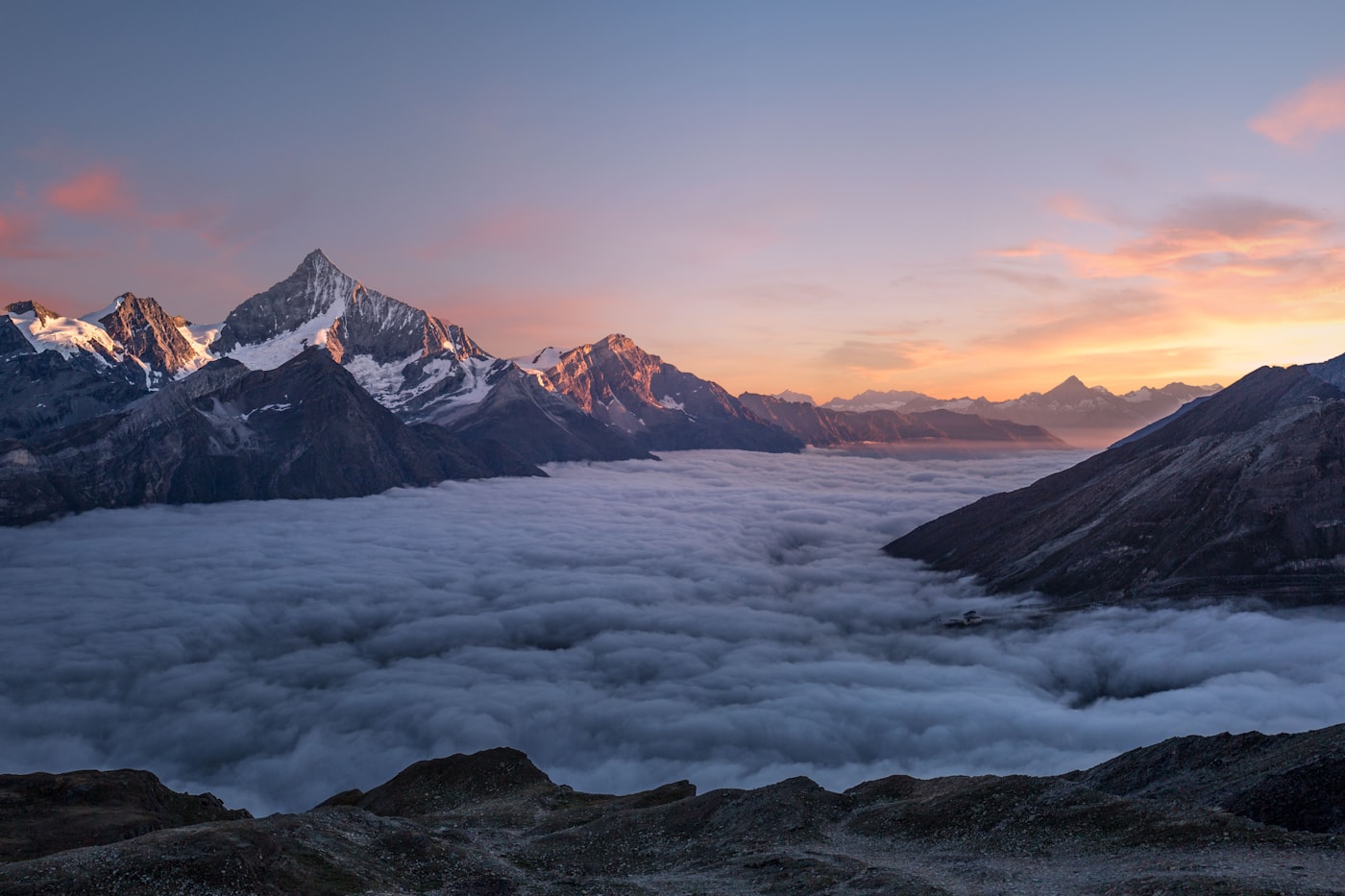
I landed at Arturo Merino Benitez Airport on a clear morning and within two hours I was drinking a cortado in a cafe in Bellavista with the Andes filling the skyline. Santiago does not announce itself loudly. It is a serious, dry, fast-moving city of nearly seven million people, and if you give it three or four days, it rewards you with good food, easy public transit, and mountain views that feel almost unfair. This guide covers the practical side: getting in, moving around, where to sleep, what to eat, and how to stay safe.
Getting there
Almost everyone flies into Santiago, because the closest international alternatives are over the mountains in Argentina and a long way north in Peru. From North America and Europe there are direct flights on Latam, American, Air France, and others, and from neighbor countries the hop is short. Your flight lands at Arturo Merino Benitez Airport, about fifteen kilometers west of the city center. The airport bus, run by Turbus and Centropuerto, drops you near the main train station for around seven dollars, and it runs every ten minutes or so. I took it both times and found it easier than a taxi. If you prefer the door-to-door route, a taxi into the center runs roughly twenty-five to thirty dollars; make sure the driver uses the meter or agrees on a price first, and use the official airport taxi desks rather than flagging somebody down outside.
Getting around the city
The Santiago Metro is fast, cheap, and safe, and it should be your default for most of the city. You pay with a Bip card, a contactless transit card you can buy and top up at any station, or by tapping a supported contactless bank card or phone. A single ride costs about a dollar, and one card covers the metro and the buses. The network is clean and air conditioned, which matters in December and January when the city bakes. During rush hour it gets crowded, so I planned sightseeing in the middle of the day. When a strike or a sold-out stadium shuts a line down, Uber and Cabify work well and are far cheaper than taxis. For the central neighborhoods, I mostly walked. Santiago is laid out on a simple grid, and the Cerro San Cristobal, Santa Lucia hill, and the Plaza de Armas are all within a reasonable stroll of one another.
Where to stay
Pick a base by the kind of trip you want. For first-timers, Lastarria is where I ended up, and I would choose it again. It is an artsy quarter just south of the center, packed with restaurants, galleries, and small hotels, and it is walkable to the main museum and the Santa Lucia hill. If you want nightlife and a louder scene, Bellavista across the river is your call, though it can be rowdy at night. Providencia, further east along the Andes-facing side, is more upmarket and businesslike, with broad avenues and upscale shopping, and it suits travelers who want a calmer, cleaner base. Each area is safe in the daytime and busy in the evening. Book ahead in January, because the city hosts the Lollapalooza festival in March and draws business traffic year round, and prices jump accordingly.
What to eat
Santiago is the best food city in Chile, full stop. Start with a completo, the national hot dog piled with avocado, tomato, and mayonnaise, from a sidewalk stand near the Plaza de Armas. Then move up to a proper parrillada, a grilled meat platter, at a place like Eladio or one of the many asados in Providencia. For seafood, head to the Central Market and order chupe de jaiba, a creamy crab stew, or a plate of fresh locos. Pair almost everything with pisco sour or a good Carmenere wine, both of which are cheap here by American standards. Breakfast pastries called sopaipillas and the fried dough sticks called calzones rotos are great street snacks in the cooler months.
Staying safe
Santiago is largely safe for a traveler who uses common sense, but petty theft is real. I kept my phone in a front pocket and my bag strapped, and I avoided walking alone late at night in the rough edges around the central station and the southern end of the center. Scammers work the Plaza de Armas square and the airport. Ignore people who offer to change money or who stage a distraction with a spilled drink. In restaurants, keep your phone off the table. Carry a copy of your passport and leave the original locked at the hotel. If you can, keep a little cash on you, because small kiosks and street vendors only take bills. Violent crime against tourists is rare, and in the good neighborhoods you will see families out late, which tells you a lot about how comfortable the city feels.
A few final thoughts
Give Santiago at least three days, and plan a day trip to Valparaiso, which is ninety minutes away on a bus and well worth it. The weather is Mediterranean, so pack light layers and sunscreen and notice that summer here is the reverse of the north. Learn a few words of Spanish before you go. Many people in the center speak some English, but it goes a long way. Santiago will not overwhelm you with famous monuments. It wins you over with the everyday: a cold beer with a mountain view, an honest plate of grilled meat, and a city that feels real and easy to live in. I left wanting to come back.



