

Top Things to Do in San Marino
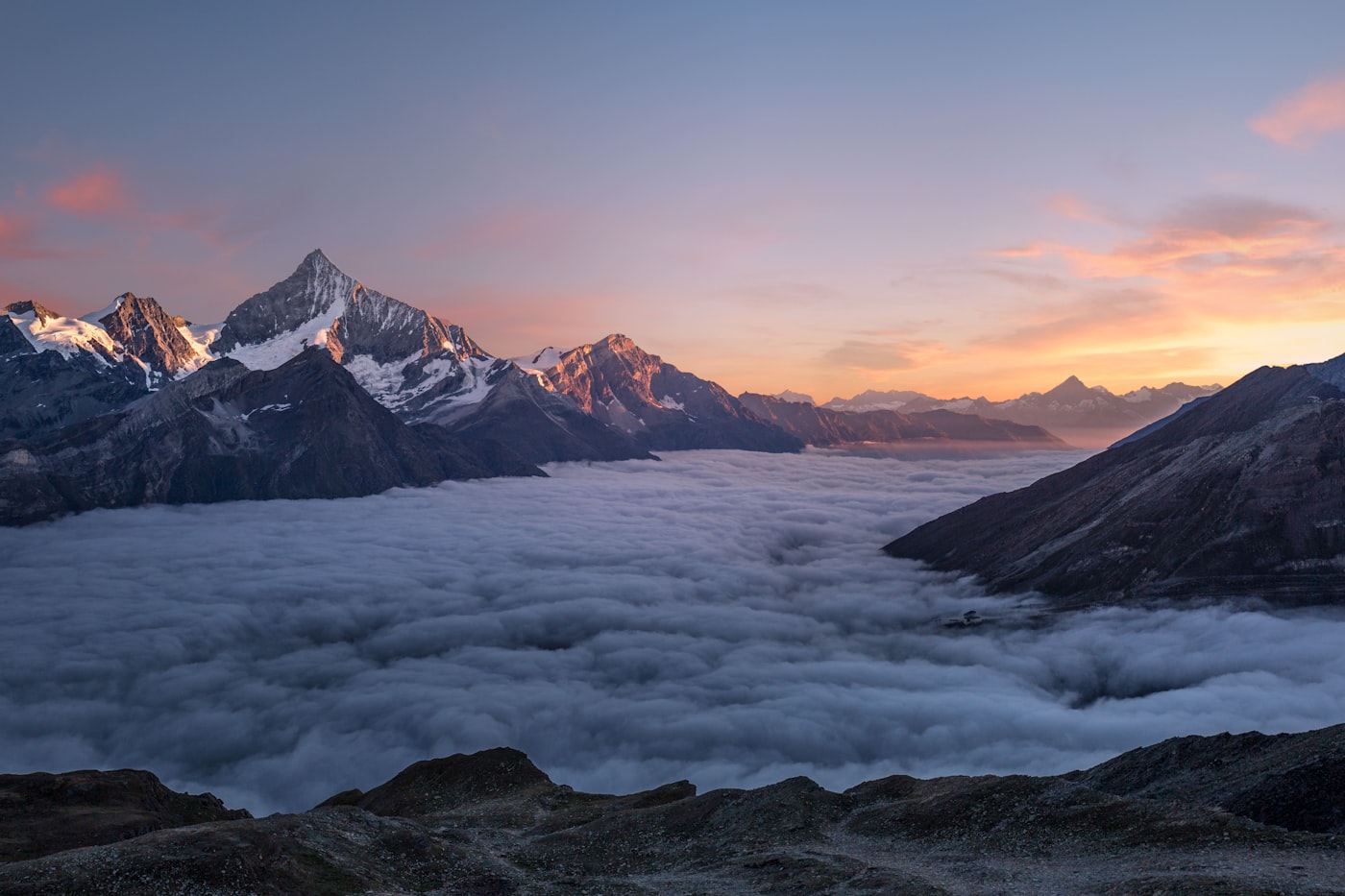
I admit I knew very little about San Marino before I climbed the funicular up to its old town. Three minutes later I stepped out onto a walled hilltop above a sea of clouds and felt I had found one of the most unusual places in Europe. This tiny republic of fewer than forty thousand people claims to be the oldest sovereign state in the world, and walking its steep streets, it feels every bit the relic, only far more alive.
Here are the things worth your time, and the order I would do them in. Plan to arrive early and give the hilltop at least a full, unhurried day, because once the day-trippers flood up the funicular the narrow lanes get busy.
Walk the Three Fortresses
The towers are the reason most people come. Guaita, Cesta and Montale sit along the crest of Mount Titano, linked by a rocky ridge trail that is the heart of the visit. Guaita is the oldest, the one you see in every postcard, and I loved scrambling up its ramparts to look down over the red roofs of the old town. Cesta sits higher still and holds a small museum of medieval arms that is more interesting than it sounds, with armour and crossbows laid out in dark stone rooms. Montale standing alone at the far end gives the quietest views and the best chance of having a bit of the ridge to yourself. Allow a couple of hours to go tower to tower, and bring sturdy shoes, because the path between them is rough and rocky in places.
The Views from Mount Titano
San Marino is all about the panorama. From the ridge you can see across the Adriatic to Rimini on clear days, and over the green hills of the Marche and Emilia Romagna in every other direction. Sunrise and sunset are the moment, when the light turns the stone warm and the plains below soften into mist. I sat on the rocks near Cesta one evening and watched the skyline of the coast light up across the water. Do not rush it, the view is the whole point, and a hazy afternoon can hide it entirely, so check the forecast and save the towers for your clearest window.
Wander the Old Town
The old town, on the slopes below the towers, is a tangle of steep cobbled lanes, arched doorways and small piazzas. Start at Piazza della Liberta, where the changing of the guard happens regularly and the crowd gathers for the ceremony under the Government Palace. From there follow the lanes downhill, past stone walls draped in flowers and shopfronts selling local ceramics and perfume, the souvenirs this republic is known for. It is tourist-facing, no question, but the setting is so dramatic that it earns the attention, and ducking into the quieter side alleys takes you back to what it must have felt like centuries ago.
Visit the Museums
Behind the souvenir fronts, San Marino hides more culture than the hilltop suggests. The State Museum traces the republic’s history through paintings, coins and artefacts, and I found it a compact way to understand how this tiny patch survived for so many centuries. For something different, the two towers host exhibitions and there is a quirky collection of strange instruments on the way down that is worth a giggle and a look. If you only pick one, make it the State Museum; it tells the founding story that gives this little state its soul.
The Basilica of Saint Marinus
The neoclassical cathedral at the top of the old town is where the founding saint is said to rest. It is modest by Italian standards, but the calm inside is a welcome break from the crowds, and the relics and the simple stonework tell the founding legend that began with a stonemason who took refuge on the mountain in the year 301. I sat for a while in the quiet and let the old story sink in before heading back out into the bright heat of the piazza.
Practical Pointers for San Marino
Getting up: The funicular from the parking areas below is the easiest way to reach the old town, though there is also a long run of stairs and ramps to climb on foot. Time: A full day covers the towers, the old town and the museums, though staying overnight lets you see the hilltop at its quietest long after the last tour bus has gone. Money: San Marino is not officially in the euro zone but uses euros, so there is no currency fuss. Dress: Comfortable shoes matter, everything is uphill or down. Beating the crowds: Go early, the day-trippers from the coast arrive mid morning.
Final Thoughts
There is nothing quite like San Marino anywhere in Europe. A whole country stacked on one mountain, with battlements on one side and terraced rooftops on the other, and a history that reaches back seventeen centuries. I came for a few hours and stayed well into the evening, watching the lights come on across the plains below. Small, steep and quietly spectacular, it deserves more than a rushed stop on the way to the beach.



