

A Port-au-Prince Itinerary: 5 Days in Haiti’s Capital
I landed in Port-au-Prince expecting noise and confusion, and I got both on the first morning. But I also got something I did not expect: a city with a pulse that is impossible to describe until you have walked its streets. This itinerary is the one I actually followed, and it is honest about what works, what to skip, and where the magic hides.
Getting My Bearings
My first rule was to ditch the rental car idea before I even booked it. Driving in Port-au-Prince is an adventure I was not ready for, with buses that stop anywhere, and streets that flood after a downpour. I used a trusted guide for the first two days and a mix of private drivers and walking in the safer daylight hours after that. The Airport is in Tabarre, about twenty minutes from the center when traffic is kind, and closer to an hour when it is not. I stayed in the Pétion-Ville hills above the city, which gave me cooler air, quieter nights, and a base that felt safer for a solo traveler.
Day One: The Old Center and the Iron Market
I started at the Iron Market, the cast-iron structure that survived fires and stands as a symbol of the city’s stubbornness. Inside it is a maze of vendors selling everything from art to cooking pots, and I learned quickly to set a firm budget before I entered. The market is loud, and that is exactly the point. I bought a hand-painted canvas of the coast for a price I was proud of, then crossed to the National Palace park. The palace itself was destroyed by the 2010 earthquake, and the empty site is a sober reminder of what the city has endured. I paired that heaviness with a stop at the nearby cathedral ruins, then ended the day with fresh juice from a roadside stand.
Day Two: Art and Ironwork in Croix-des-Bouquets
The second day took me east to Croix-des-Bouquets, famous for its cut-metal art. I watched artisans hammer patterns into recycled oil drums, turning flat steel into dancing figures and birds. I bought two small pieces that now hang in my hallway, and every guest asks about them. Back in town I visited a couple of the gallery spaces in Pétion-Ville, where the colors and energy of Haitian painting filled whole walls. For me this was the heart of the trip. Haitian art is not a side attraction here. It is the language the culture speaks.
Day Three: The Mountain Escape to Kenscoff
On day three I needed altitude. Kenscoff sits high above the city, and the drive up wound through villages and cloud forest that felt a world away from the downtown heat. I spent the morning on a slow hike and, to be honest, the views of the valley and the sea beyond them were the reward I had been missing. I ate lunch at a small guesthouse serving local chicken and rice with beans, the national dish, and it was the best meal of my trip. The cool air up there keeps the produce market stocked with coffee, avocado, and strawberries, and I packed a bag of coffee to carry home.
Day Four: Beaches and the Briquette Trail to a Hidden Coast
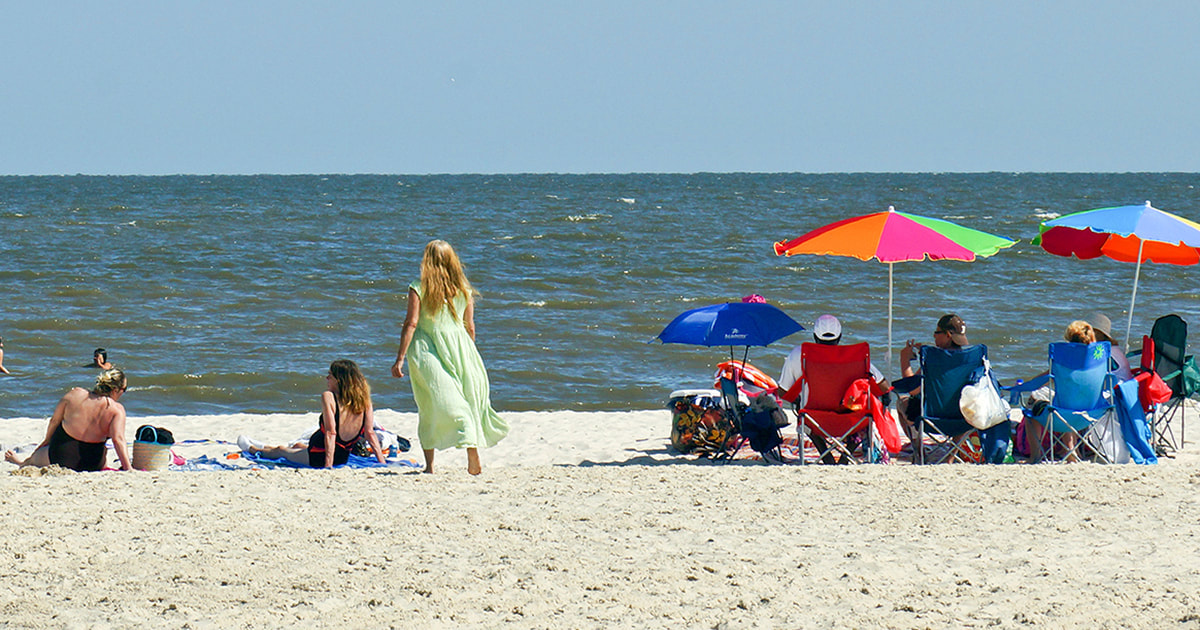
Most people book a day trip from Port-au-Prince to the beaches, and I did too. The drive south to the coast took me past the mountains and down to turquoise water that looked photoshopped. I expected the sand to be the highlight, but the boat ride to a smaller stretch of beach stole the show. Swimming there, with fishermen nearby and the hills behind me, I finally understood what people mean when they say Haiti is beautiful in a way they were not ready for. I returned to the city sunburned and quietly altered.
Day Five: Markets, Last Souvenirs, and the Long Goodbye
My final day was a slow one. I went back to the Iron Market in the morning with my budget already spent and bought spices and a wooden bowl I did not need but could not resist. I spent the afternoon in a cafe with strong coffee, writing postcards. Before I left, my guide drove me up to a lookout where the whole sprawl of the city lay below, from the port to the hills. It was the perfect final frame for a city that had been impossible for me to predict.
Practical Notes From My Trip
A few honest lessons from my time there. Drink only bottled water and eat where the locals eat. Carry small cash, because credit cards are rare outside the big hotels. Hire a known guide for your first day and lean on their judgment for the rest. Keep your phone out of sight on the street and move with purpose. Nobody in Port-au-Prince is trying to convince you it is easy. They are too busy living it. What I found there was not a polished tourist package but a fierce, funny, generous city that rewards the traveler who comes with an open mind and a willingness to slow down. I came for a week of sightseeing and left with a stack of paintings, a bag of coffee, and a new understanding of resilience. I would go back tomorrow, and I am already planning how.



