

Palikir Travel Guide: The Quiet Capital of Micronesia
When people learn that I spent time in Palikir, they mostly give me a blank look. Most travelers have heard of Guam or maybe Palau, but Palikir barely registers. It is the capital of the Federated States of Micronesia, a small island nation scattered across the western Pacific, and it sits at the edge of the much larger island of Pohnpei. I went there expecting a sleepy outpost, and in some ways I got that. But sleepy does not mean empty, and this guide is about what makes the place worth your time.
Where Palikir sits and why it matters
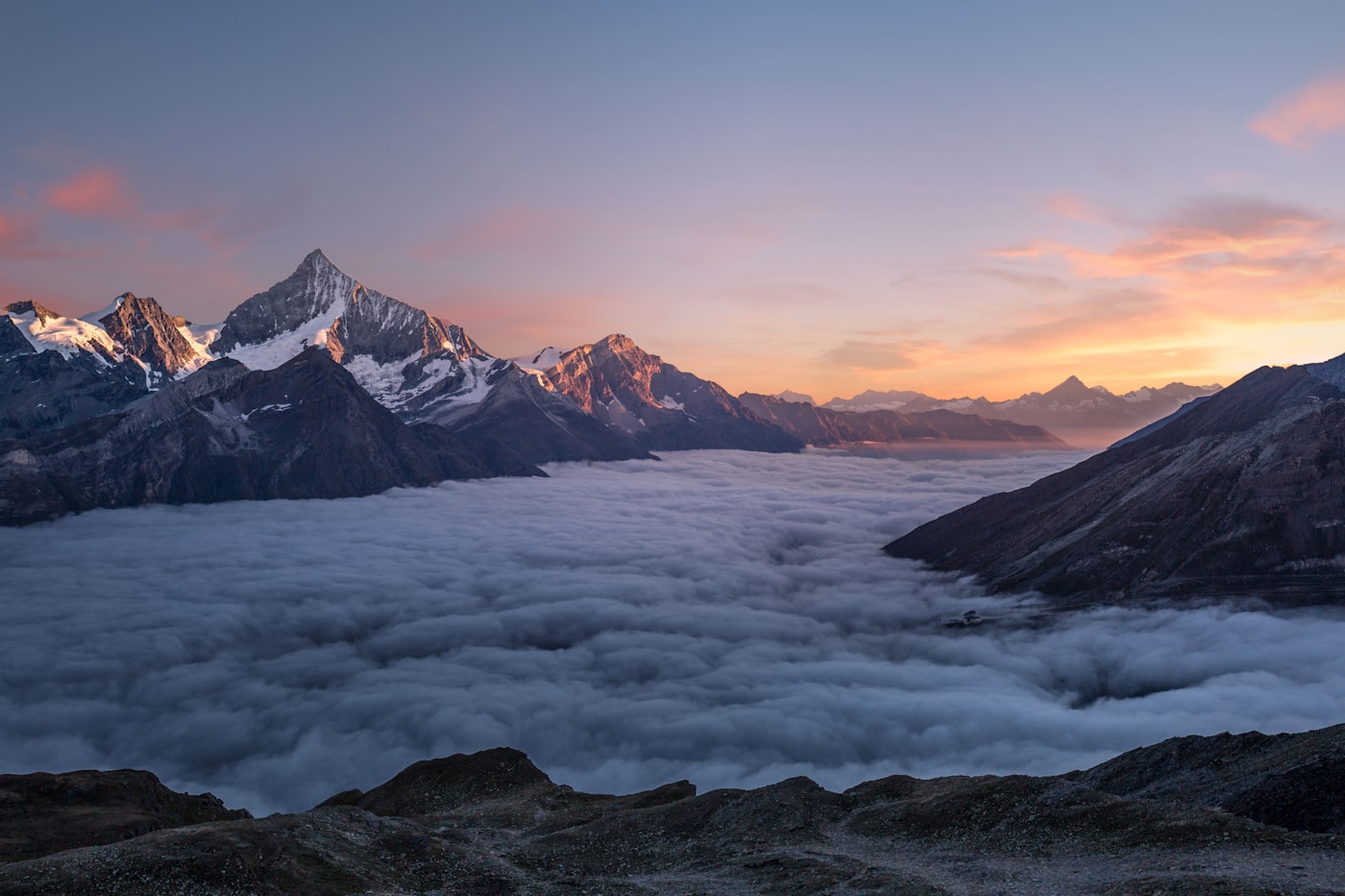
Palikir officially became the capital in 1989, after years of development near the south coast of Pohnpei. It replaced Kolonia as the seat of government, though Kolonia remains the main commercial town and only a short drive away. The government complex sits amid lush green hills that are often wrapped in low cloud. On my first morning I walked the streets near the capitol buildings and heard nothing but birds and the occasional scooter engine.
That contrast is the first thing you should understand. Palikir does not feel like a political hub the way most capitals do. It is small, green, and genuinely relaxed, which means government infrastructure, decent internet, and a safe base without the noise of a big city.
Getting there
You reach Pohnpei by air, almost always through the United Airlines flight that connects Guam, Chuuk, Pohnpei, and Kosrae. The airport at Kolonia is about twenty minutes from Palikir by car. I booked a hotel that arranged a pickup, which I recommend because taxis are scarce in the morning. Once you land, the first thing that strikes you is the heat and the humidity. Pohnpei is one of the wettest places on earth, so pack light clothing that dries quickly and a rain jacket you will actually use.
Where to stay
Accommodation in Palikir is limited but workable. Most visitors stay in Kolonia, where the options are broader, and commute to Palikir for government business or sightseeing. I base myself at a small guesthouse in Palikir itself because I wanted to experience the capital as a place people live, not just pass through. The lodging was basic, with a fan instead of air conditioning and shared bathrooms, but it was clean and the family who ran it fed me remarkable meals. If you want more comfort, book one of the mid-range hotels in Kolonia and treat Palikir as a day trip.
What to see in Palikir
The main draw in Palikir is the government complex, and you can walk around the landscaped grounds without much trouble. The buildings are low concrete structures that blend into the hills, and the whole area feels more like a campus than a seat of power. Security is present but light, and I never felt unwelcome as long as I stayed on public paths.
From Palikir it is an easy trip south to the Sokehs Rock area, a massive basaltic cliff that looms over the harbor near Kolonia. I hiked part way up for a view over the lagoon and the far reef line, and it was the highlight of my week. The trail is steep and the soil gets slippery in the rain, which is often, so take your time.
For history, the ruins at Nan Madol deserve the journey. This ancient city, built on a network of artificial islets off the eastern coast, is sometimes called the Venice of the Pacific. Reaching it requires a boat ride and a guide, and the tide matters more than you expect. I went with a local guide who grew up near the site, and his stories made the stone walls feel alive.
Food and daily life
Eating in Palikir means local markets and small eateries more than restaurants. The Kolonia market is worth a morning, with fresh breadfruit, bananas, taro, and the famous Pohnpei pepper. The island also grows sakau, a kava-like drink, and it plays a large role in local ceremony. I tried a small amount and found it bitter and numbing, an experience more cultural than delicious. Offer it respect rather than enthusiasm if you join a local gathering.
For food easy to recognize, the hotels in Kolonia run decent restaurants with rice, fish, and grilled chicken. Fresh seafood is the real winner. One night I ate reef fish caught that morning, served with coconut rice and the famous local pepper sauce, and it remains one of the best meals I have had in the Pacific.
Practical tips for visiting
Keep a few things in mind. Carry cash, because cards are accepted only in a few places in Kolonia. The currency is the US dollar, which keeps budgeting simple. Your phone signal will be patchy outside the towns, so download maps before you leave the airport. Mosquitoes are present, especially near the coast and in the evenings, so use repellent and do not skip your malaria precautions. English is widely spoken, and Micronesian hospitality is genuine, so you will rarely feel lost for long.
The pace of life here is the point. Palikir will not reward you with nightlife, shopping, or spectacle. It rewards patience, curiosity, and a willingness to slow down. I came for the capital on paper and left with a deep appreciation for a small island that runs on its own quiet rhythm. If you want that kind of trip, be prepared to slow down too.
Final thoughts
Palikir is not for everyone. If you need constant activity, book a week in Guam instead. But if you want to sit on a green hillside above a harbor, eat fish caught that morning, and watch clouds roll off the jungle, this capital delivers something few other cities can. It is small, it is gentle, and it stayed with me long after I flew home. I hope this guide helps you see it the way I eventually did.



