

Mbabane (Eswatini) Itinerary
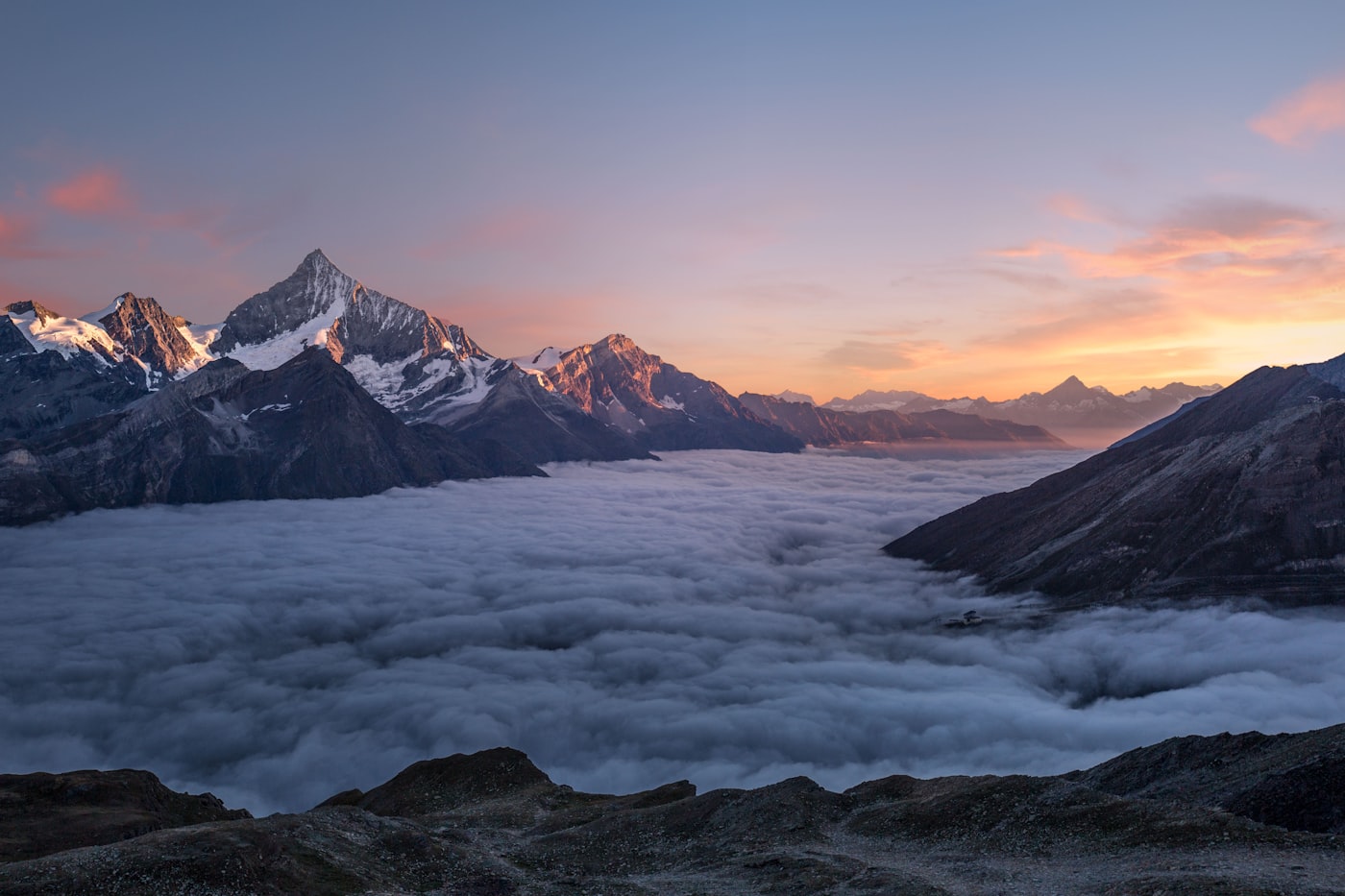
I landed in Mbabane expecting a quiet administrative capital, and I left with a week of memories that had nothing to do with bureaucracy. Eswatini’s capital sits about 1,200 meters up, ringed by the Dlangeni and Mdzimba hills, which means the air stays crisp and the view from almost anywhere is a fold of green ridges. This itinerary walks you through how I spent the time, where I ate, and the detours I wish I had known about sooner.
Day One: Getting My Bearings in the City Center
My first morning I started at the Mbabane Market, a covered sprawl of handwoven baskets, beaded jewelry, and piles of fresh produce under fluorescent light. The stallholders were friendly once I learned a few words of siSwati, and I bought a woven clutch that I still use. From there I walked to the Swazi Plaza and the surrounding boutiques, which carry the real crafts that the souvenir stalls tend to overcharge for. I ended the day on the Mbabane Golf Course road for sundown, where the hills turn rust red before the light fades.
Day Two: Sibebe Rock and the Lobamba Valley
No visit to Mbabane is complete without Sibebe Rock, the second largest granite monolith on the planet after Uluru. I drove out early with a local guide, and the hour long climb to the viewpoint rewarded me with a panorama over the whole valley. The rock is smooth and gray, and parts of the trail feel like walking on a whale’s back. In the afternoon I dropped into Lobamba, the royal and legislative capital nearby, to see the parliament building and the National Museum. The museum’s displays on the Swazi parade and its history made the ceremonial side of the country finally click for me.
Day Three: Mlilwane Wildlife Sanctuary
Mlilwane, only a short drive from town, is where I got closest to wild animals without a safari budget. The sanctuary is gentle, settled land with antelope, zebra, and hippos in a central pond, and I rented a mountain bike to explore the flat middle trails. A guided bush walk in the late afternoon brought me face to face with nyala and a troop of baboons that paid me no attention at all. I slept that night in a beehive rondavel hut on the grounds, which cost far less than any hotel in Mbabane and let me fall asleep to the sound of animals moving outside.
Day Four: Craft Centers and a Cooking Class
I spent the morning at Phakamisa, a glassblowing studio run by a local foundation, where I watched molten glass become vases and bowls in the hands of careful artisans. Shopping there doubles as supporting real local jobs, which sat well with me. Afterward I joined a Swazi cooking class in the city and learned to make sishwala, a thick maize porridge, along with grilled chicken and a pineapple salad. Eating my own attempt while overlooking the hills was the most satisfying meal of the trip.
Day Five: A Loop to Piggs Peak and the Forests
I rented a car for a full day and took the road northwest to Piggs Peak, passing eucalyptus plantations and villages where cattle roam freely. The town itself is small, but the drive and the mountain scenery are the point. On the way back I stopped at the Malolotja Nature Reserve for the walk to the Malolotja Falls, which plunge through a deep gorge. The trail is steep in places, so I allowed a few hours and carried water, and the rattling suspension bridge near the falls became my favorite photograph of the whole trip.
Where I Ate and Stayed
For food in Mbabane, the Braai House does a proper South African style barbecue, and the Mugg and Bean at the mall remains a dependable spot for breakfast. A handful of small restaurants around the city center serve steamed maize, meat stews, and vegetables cooked simply and well. On accommodation, the town has a range of chain hotels if you want comfort close to everything, but I preferred the runanga lodges nearer the hills for the views and the quiet.
Practical Notes Before You Go
Mbabane works well as a base because it is compact and most sites are within an hour’s drive. A single traveler can get around on foot in the center, but I would rent a car for the days you head to Sibebe, Malolotja, or Mlilwane. The currency is the lilangeni, though South African rand is accepted almost everywhere, and card payment is common in the city. Tap water needs safe handling, so I drank bottled water throughout. The best time to visit is May to September, the dry winter, when the days are mild and the hills stay green from the earlier rains. Allow about five days, as I did, and you will leave with the same urge I had to simply drive back into those hills.



