

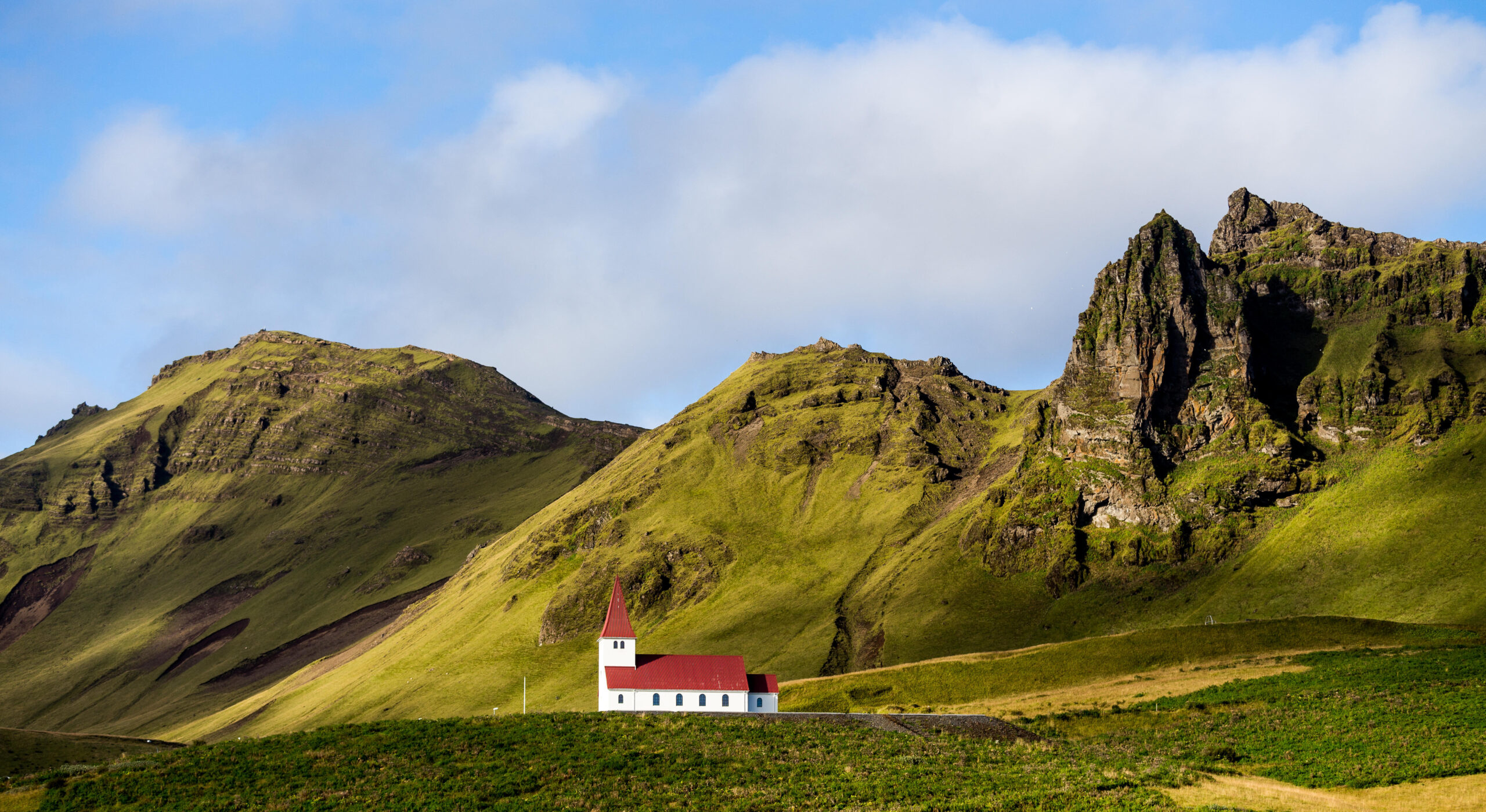
Manuel Antonio is my favorite corner of Costa Rica’s wild coast. The town fuses rainforest, beaches, and relaxed surf vibes. This guide holds everything I learned across several trips here.
Overview
Manuel Antonio sits on the central Pacific coast of Costa Rica. The national park gives the area its world famous reputation. I love how jungle meets ocean along this stretch.
The small town stays compact and walkable around the main strip. Restaurants, shops, and tour desks cluster near the beach road. Wildlife often wanders through neighborhoods in plain view.
Beyond the park, quiet coves and mangrove lagoons await discovery. I found adventure beyond the busy park gates. This guide balances the famous sights with hidden gems nearby.
When to Go
The dry season from December to April brings the most sunshine. I enjoyed clear skies and lower humidity during these months. This window suits hiking and beach time best.
The green season from May to November brings afternoon rain showers. I found the jungle lush and rates much cheaper then. Rain usually clears quickly after a strong burst.
September and October bring the heaviest rainfall of the year. Some trails can get muddy and slippery during these weeks. If you want dry trails, avoid the late autumn.
Shoulder months like April and November balance weather with crowds. I found pleasant conditions and value during these edges. They are my favorite windows for a balanced visit.
Top Things to See and Do
The national park is the must see highlight here. I hiked the forest trails to hidden white sand coves. Monkeys, sloths, and iguanas appear all along the way.
Manuel Antonio Beach ranks among Costa Rica’s most beautiful shorelines. I waded into calm, clear water under jungle hills. It is the perfect reward after a forest hike.
Kayak tours through the nearby mangroves reveal a different world. I paddled past herons, monkeys, and colorful crabs. Sunrise trips offered the calmest water and best wildlife.
Whale and dolphin watching thrives along this coast seasonally. I saw humpbacks during the winter months offshore. Small boats also spot spinner dolphins almost year round.
Catamaran sunset sails are a relaxing way to end a day. I watched the sky glow orange behind the headlands. Snacks and open deck made it a memorable evening.
Where to Stay
The area above the park offers the best rainforest views. I stayed in jungle lodges with sweeping ocean panoramas. Wildlife spotting from the balcony became a daily ritual.
Closer to the beach road, hostels and budget hotels stay affordable. I found clean rooms within walking distance of dining. This suits travelers who want easy access.
Luxury eco resorts hide along the slopes for splurging. I appreciated infinity pools facing the green hills. Booking ahead secures the finest rainforest suites.
Getting Around
A rental car gives the most freedom for exploring the coast. I drove easily between the town and neighboring beaches. Parking at the park entrance fills early each morning.
Shared public shuttles connect Manuel Antonio to the wider region. I used one to reach the town from the airport. Book your seat in advance during busy season.
Local buses run cheaply between popular town stops. I hopped on for short beach transfers now and then. Walking covers most of the compact area easily.
Food to Try
Fresh ceviche with local fish is a coastal essential. I ate it with cold drinks at casual beachfront sodas. Lime and cilantro brighten every fresh catch.
Casado plates give a filling sample of typical Costa Rican food. I loved the rice, beans, salad, and plantain combos. These simple meals stayed cheap and delicious.
Daily Budget
Budget travelers can manage around 60 dollars per day in this town. I saved by choosing hostels and taking local buses. Market meals kept my costs very low.
Mid range visitors usually spend 120 to 180 dollars daily. Comfortable hotels, tours, and restaurant dinners drive the total. Booking park entry online saves time and money.
Splurge travelers can easily pass 300 dollars each day. Private tours, luxury lodges, and fine dining add up quickly. I found the mangrove kayak tour worth the upgrade.
Safety Tips
Currents at some beaches can be stronger than they look. I always swim at lifeguarded stretches when possible. Ask locals which zones are safe before entering.
The sun here is intense all year round. I reapplied high SPF sunscreen after every swim. Rainy days still carry strong UV rays.
Keep belongings secure on the beach while you swim. I never left valuables unattended in the open. Use a waterproof pouch for your phone and cash.
Local Tips
Enter the national park right at opening time to beat crowds. I saw far more wildlife on early morning hikes. The monkeys stayed active before the heat peaked.
Definitely bring insect repellent for the forest trails. I reapplied often to keep mosquitoes at bay. The coastal humidity makes them eager at dusk.
Day by Day Itinerary
Start day one with the national park and its hidden beaches. Hike the main loops and swim at the famous cove. End with a sunset dinner overlooking the water.
Day two takes you kayaking through the mangrove lagoon. Look for monkeys, herons, and crocodiles along the channels. Finish with a relaxed beach afternoon.
Common Mistakes
Many travelers skip the park ticket booking and face long lines. I reserved my entry time online in advance. This simple step saved me a huge morning wait.
Underestimating the rainy season’s power surprises some visitors. I packed a light rain jacket even in sunny weather. Afternoon showers arrive quickly along this coast.



