

Majuro Travel Guide: My Take on the Marshall Islands
Landing on Majuro is nothing like landing in a busy capital city. The plane descends over a lagoon so wide and so blue it could pass for open ocean, and the island shows up as a thin strip of green running between two kinds of water. I had read a dozen guides before I booked, but nothing prepared me for how small the island feels and how much it manages to hold. If you are thinking about a visit to the Marshall Islands, here is what I wish someone had told me before I went.
Majuro is the capital of the Marshall Islands, a nation made up of more than a thousand tiny coral atolls scattered across the central Pacific. What other cities do in square miles, Majuro does in a single line. The main areas line up along a ribbon of land that is rarely more than a few hundred meters wide, with the lagoon on one side and the open Pacific on the other. Most of your time will be spent on the two connected districts of Rita and Delap, and the whole stretch feels walkable if you prepare for the humidity.
Getting there is the first hurdle, and it is worth knowing before you dream too hard. United Airlines runs the only civilian route that touches the islands, and it connects Majuro with Honolulu a few times a week. Flights are not cheap, and they do not run every day, so plan your arrival and departure around the actual schedule rather than forcing dates to line up. Book early and give yourself slack on both ends. This is not a place where you can rebook easily if a connection falls apart.
Once I landed, the first thing that struck me was the pace. People move slower here, and that is not a complaint. There is a rhythm to the island that rewards sitting still, whether that means lingering over coffee in the morning or ending the day on a lagoon-facing bench. My advice is to build your whole schedule around that slower mood instead of fighting it. A day stuffed with ten activities will feel wrong here; two or three done properly will feel right.
Where to Stay on Majuro
For lodging, the island offers a small but solid range. The Marshall Islands Resort is the biggest name and the closest thing to a full-service hotel, with a pool and an on-site restaurant. The Hotel Robert Reimers sits closer to the action in Delap and has a friendly, lived-in feel. At the budget end, several small guesthouses and homestays take the casual traveler, and staying in one of those taught me more about everyday life than any sightseeing stop could. If you want the lagoon right outside your door, ask about waterfront rooms when you book.
Eating Like a Local
Food on Majuro is humble and surprisingly good. The catch of the day shows up on menus across the island, and I ate some of the best raw fish of my life shortly after a morning boat came in. Local markets sell fresh fruit and staple crops, and the breadfruit and taro dishes I tried were honest and filling. Coconut features everywhere, as you might expect, and a cold drink pulled straight from the shell still feels like a small luxury. Restaurants are casual, portions are generous, and the biggest risk is ordering too much.
Diving into the Lagoon
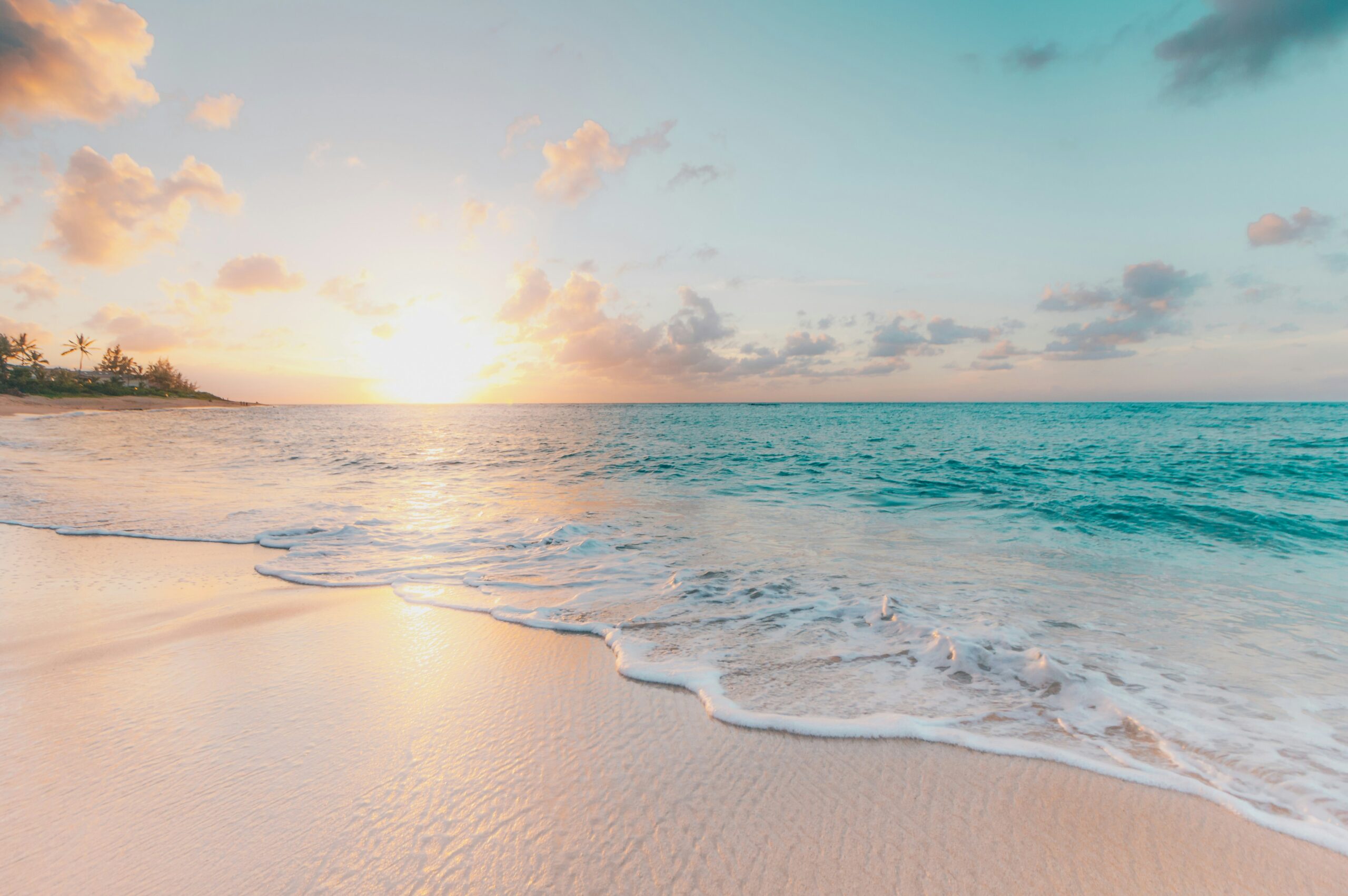
The lagoon is the reason most people come, and it earns the trip. On calm days the water is a gradient of light blues that shades into deep turquoise near the reef, and swimming feels almost weightless against the salt. Snorkeling over the coral brought me face to face with fish I had only seen in guidebooks, and even a simple afternoon of floating near the shore felt like an escape. If you can arrange a boat trip out to one of the smaller islands in the atoll, take it. Those short crossings open up empty beaches and a quiet you cannot find on the main strip.
What to Do on Majuro
Majuro also holds history that is easy to walk past if you are not looking. The island carries traces of the Second World War, from abandoned guns to the concrete walls of old structures half-taken over by vegetation. The Alele Museum in town tells the story of the islands properly, covering navigation, language, and the complex recent history that shaped the nation. I took an afternoon there and left with a far better sense of the place.
Practical Tips for Your Trip
A few practical notes will save you pain. Cash is essential because card acceptance is limited outside the big hotels. The vibe is relaxed and casual, so pack light, breathable clothing and solid sunscreen. The local language is Marshallese, though English is widely spoken in the main district, so a few words of greeting go a long way. Keep bottled water on hand and stay mindful of the heat, especially in the middle of the day. And remember that the islands run on island time, which means patience is more a survival skill than a virtue.
By the end of my stay I understood something that guides rarely say outright. Majuro is not a place you conquer with a list of sights. It is a place you join for a while, living at its pace and letting the lagoon set the tone. The flights are long, the island is small, and the rewards are quiet, but they are real. I left feeling fuller than I arrived, and that is the best review I can give any destination.



