

Kathmandu Itinerary: How I Spent 3 Days in Nepal’s Capital
I landed in Kathmandu with no real plan beyond a loose list of temples and a hunger for dal bhat. Three days later I had climbed stone steps above the valley, got lost in a medieval square, and bolted out of the city on a morning flight to watch the sun hit the Himalaya. This is the itinerary I would follow again, written for anyone with two or three days and a willingness to move slowly.
Why Three Days Feels Right
Kathmandu rewards patience. The old city is crowded, dusty in places, and full of twisting lanes that look alike on a map. If you try to squeeze in the World Heritage sites, a mountain viewing flight, and a day trip all in two days, you will spend every hour in a taxi. Three days gives you room to breathe. Two days still works if you cut the day trip and pick two neighborhoods to explore properly.
Day One: Durbar Square and the Old City
Start at Kathmandu Durbar Square before the tour groups arrive, around eight in the morning. Buy your ticket at the entrance and keep it with you for the day, because you will be asked for it again when you wander into the surrounding courtyards. The square holds old palaces, carved windows, and the Kumari Ghar, where the living goddess lives. Do not expect to photograph her easily. Check the courtyard at set hours and be patient.
From here, let yourself get lost in the lanes around Asan Tole. This is where I found the rhythm of the city. Vendors stack spices, prayer flags, and marigolds, and the smell of frying samosas follows you down every alley. For lunch, find a small bhatti serving dal bhat and eat what the locals eat.
By mid afternoon cross the sacred Bagmati toward Pashupatinath, the country’s most important Hindu temple. The main shrine is for Hindus only, but you can view the burning ghats across the river and walk the forested hill behind the complex. This place deserves quiet respect. Skip it if you are short on time or uneasy with funeral rites. I am glad I went, and I am glad I went soberly.
End the day back in Thamel, the tourist district, for a heavy plate of momos and a cold bottle of local beer.
Day Two: Boudhanath and Swayambhunath
Morning belongs to Boudhanath Stupa, the great white dome ringed by prayer wheels and the painted eyes of the Buddha. I arrived early and walked the kora with residents, spinning the wheels as I went. The stupa feels calm and open, and the rooftop cafes around it give you the best view over the prayer flags.
After lunch, take a taxi up to Swayambhunath, better known as the Monkey Temple. Yes, there are monkeys everywhere, and yes, they steal food. Keep your snacks out of sight. The climb up the long stone stairway is steep, and I regretted the extra layer of clothes, but the reward is the best panorama in the city. On a clear day you can see across the whole valley.
For dinner, try Newari food, the native cuisine of the valley. A few places in Kathmandu serve a full Newari set plate that lets you taste several dishes at once. It is a spicy, savory education by itself.
Day Trip Option: Bhaktapur
If you have a third day, spend it in Bhaktapur, about forty minutes east of the city. This is my favorite part of the whole trip. The old town survived the 2015 earthquake far better than Kathmandu’s own heritage sites, and the Durbar Square here is walkable, quiet, and photogenic almost from every angle.
Pay the foreign visitor fee at the gate and keep the ticket, because you will cross checkpoints as you move between the town’s three main squares. Plan on four to five unhurried hours. Wander the lanes around Pottery Square, watch the potters at work, and eat the local specialty of juju dhau, a creamy yogurt that tastes nothing like anything I have eaten before.
Take a local bus or a taxi back in the late afternoon. If you only have two days and cannot give Bhaktapur a full visit, consider swapping the mountain flight instead, because this town is the better use of your time.
Tips for Getting Around
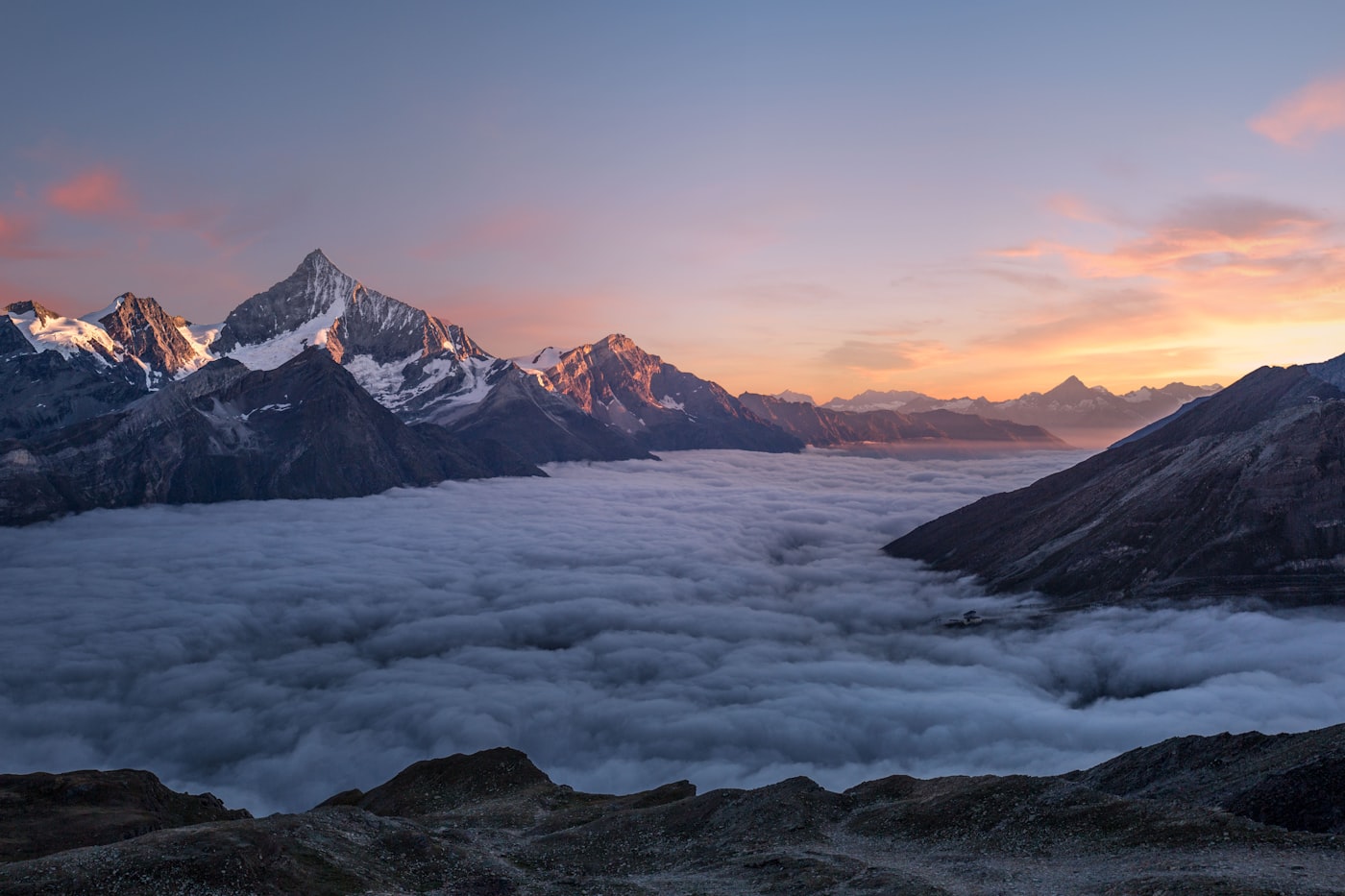
Most travelers use taxis and their own feet. Rickshaws work for short hops but get stuck in traffic. Local minibuses are cheap, chaotic, and best ridden only if you are confident. For the mountain viewing flight, which goes out over the Himalaya and returns without landing, book a morning slot and keep your camera out the whole time. It is a splurge, but the sight of Everest from the air is hard to describe.
Carry small notes, because change is often hard to find. Stay in Thamel if you want convenience, or in Boudhanath if you prefer quiet. Either way, give yourself permission to sit in a cafe, drink chai, and just watch. That city is at its best when you stop rushing.



