

Ecuador Budget Travel Guide: Costs and Tips
Ecuador is one of the easiest countries in South America to travel on a low budget, in large part because it uses the US dollar and the prices stay steady. I traveled there for a month and tracked every cent, so I can tell you exactly what things cost and where your money is better spent. Here is how to see the highlands, the coast, and the Galapagos without breaking the bank.
How much I spent per day
On the mainland I lived comfortably on around 25 to 35 dollars a day. A private room in a small hostel cost 12 to 18 dollars, a dorm bed ran 8 to 10, and street food and local restaurants fed me for a few dollars a meal. My biggest single expense was not the ground, but getting around, because Ecuador’s mountains, coast, and jungle are far apart and the bus journeys eat up whole days. Plan your route to string places together in a loop, and you will save both time and money.
The best budget destinations
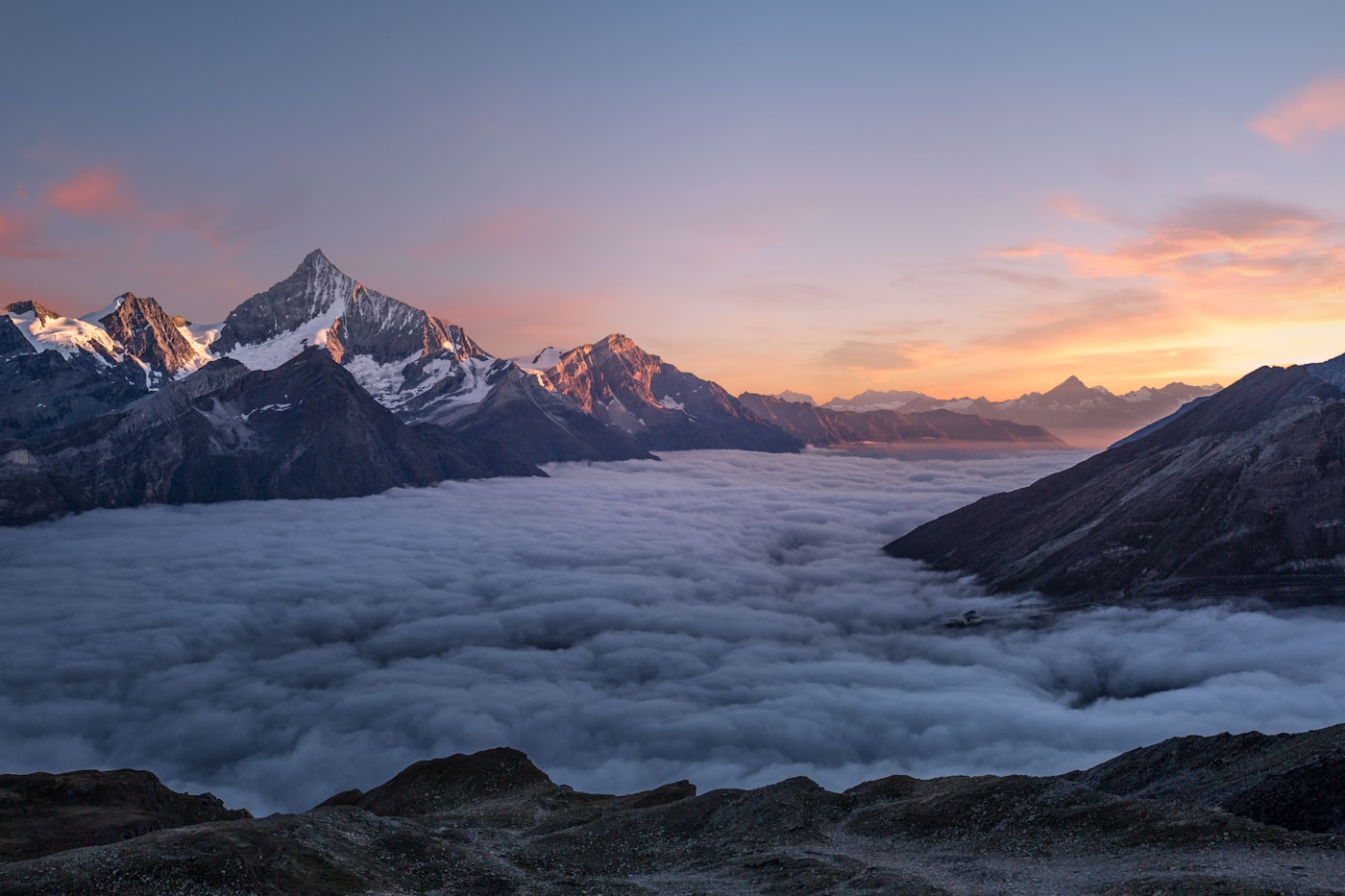
The Andes around Banos and Quilotoa gave me the most value for money. The little town of Banos is packed with cheap hostels, low cost day adventures like waterfalls and hot springs, and inexpensive street food, so it became my home base for the highlands. The Quilotoa crater lake loop is a stunning multi day hike with very low costs along the way. In Quito and Cuenca, the historic centers offer budget hostels and excellent free walking tours that taught me the story of each city for just a tip.
Eat like a local
My dining rule was simple: eat where the bus drivers and workers eat. A set lunch called an almuerzo, which came with soup, a main plate of rice, protein, and salad, plus a drink, cost me around two to three dollars and was always filling and fresh. Markets sold fruit, cheese, and bread for pennies, and the same meal in a touristy restaurant cost triple for worse food. Sticking to these meals not only saved me money but gave me a real taste of everyday Ecuadorian cooking.
Getting around cheaply
Long distance buses are the budget backbone of Ecuador, and the distances are short enough to manage them comfortably. I took overnight and daytime buses between the major regions for a fraction of what a flight would cost, and the mountain routes are scenic in a way that made even a long day feel like part of the trip. Within cities I used public transit and walked, and in the highlands I shared taxis when a group split the fare fairly. I also traveled light so I never paid extra for checked bags on the cheap domestic flights I did take.
Budgeting for the Galapagos
The Galapagos is the one place that breaks every budget rule, so I want to be upfront about it. A proper visit costs several hundred dollars just in flights, the entry fee paid in cash, and the boat transfer tax, before you even sleep or eat, where prices run high. To keep it as affordable as I could, I went independently instead of on a cruise, stayed in a simple budget hostel in Puerto Ayora rather than a resort, took local boats out to nearby islands, and cooked some of my own meals. Even with all that, the Galapagos cost me more than the entire rest of my month, so budget for it as a separate, much larger line item rather than another bus ticket.
When it is worth spending a little more
Budget travel does not mean skipping everything enjoyable, and I was glad I allowed a few small splurges. The Galapagos is the obvious one, and no amount of penny pinching there is worth ruining it, so I spent what the islands genuinely needed. On the mainland I also treated myself in a targeted way: one good night up in the mountains with a view, and a proper sit down meal on my last evening in Quito. The trick is deciding in advance which two or three things matter to you and protecting the budget for those, while staying lean everywhere else, so that a month of careful spending does not make you miss what you came to see.
Where to save without suffering
I saved the most by avoiding the common traps rather than by roughing it. I booked hostels directly with the owners and negotiated a lower rate for longer stays. I skipped the overpriced tourist restaurants and ate where the locals did. I traveled light, moved by bus, and saved my splurges for exactly two things: the Galapagos and the mountain days I had crossed the world to see. Ecuador rewards a careful budget better than almost anywhere else in the region, and I came home with money left over and no regrets about the experiences I chose.



