

Cote d’Ivoire Travel Guide: What to Know
Cote d’Ivoire, or Ivory Coast as many of us still say, is a country that rarely figures on first trips to West Africa, and that is exactly why I loved it. It has a booming, modern capital, gentle beaches, wild national parks, and a food scene that I still dream about. After traveling through it twice, I want to hand you a complete guide so your first visit goes smoothly. Here is what I learned, from logistics to the moments that made the country unforgettable.
First, the Basics
The capital and largest city is Abidjan, a lively coastal metropolis that feels like West Africa’s business and energy hub. The country is generally easy to reach with good flight connections through major hubs, and most travelers enter here. French is the official language, so a little French goes a long way, though you will find English in hotels and tourist spots. The local currency is the West African franc, cash is king outside the big hotels, and visitors should always check current visa rules for their own passport before booking.
Getting Around the Country
Within Abidjan, the taxi network is the way to move, and the city is also building an impressive metro system that I found useful. For longer trips, I rented a car with a driver, which gave me freedom and comfort, though the roads outside the capital need patience. Shared minibus and bush taxi options exist for the budget traveler, and domestic flights can save time for the far north and west. I planned each leg ahead and always confirmed drivers, because that made the whole trip calm.
My Favorite Places in Abidjan
Abidjan rewards those who spend time with it. I loved the lively Le Plateau district with its skyscrapers and lagoon views, and the busy markets where I bought fabric and ate street food until I was full. The city hugs a beautiful lagoon, and a boat ride across it gives you a new view of the skyline. At night, the music scene comes alive with the energetic West African beats I could not resist. Give the capital several days, because it has its own rhythm that takes a moment to settle into.
Beaches and the Coast
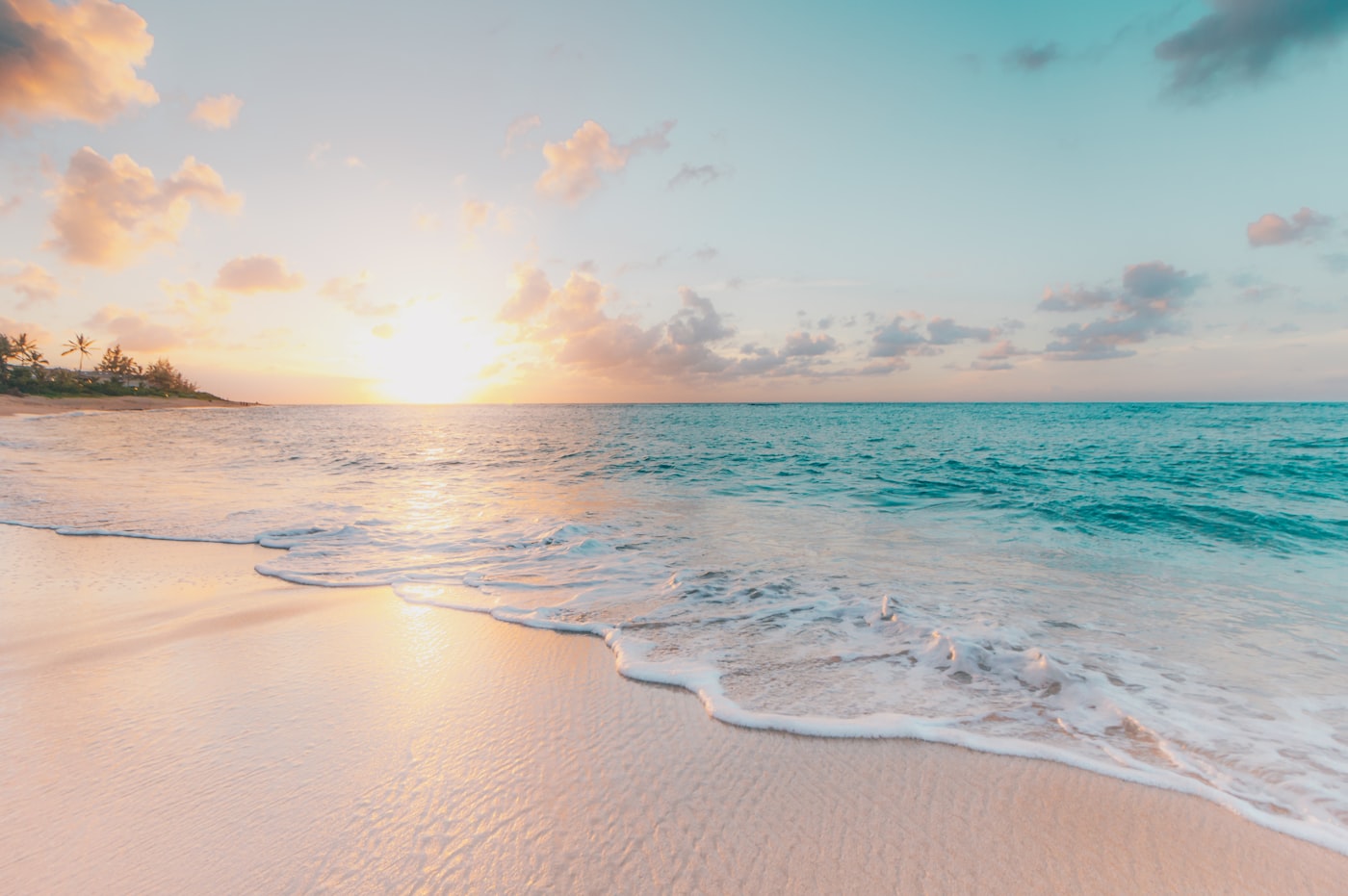
The coast is Cote d’Ivoire’s soft side. I spent restful days at Grand-Bassam, a historic town just east of Abidjan where colonial architecture meets a wide sandy beach, and it is a perfect easy escape. Further west, the beaches grow wilder and more beautiful, though the sea can be rough, so I always swam with care and respected the local advice. A mix of Great Bassam’s history and the wilder western stretches gave me the coastal variety I wanted without a long journey.
Wildlife and National Parks
Cote d’Ivoire holds genuine wildlife adventures. I was thrilled during a visit to one of the national parks, where elephants and forest wildlife still roam protected land, and the pays in the western forests held their own surprises. The highlight for many is Tai National Park, one of West Africa’s last great rainforests, home to chimpanzees and impossible biodiversity. Reaching the parks takes planning, so I arranged guides and transport ahead. For a nature lover, these reserves are the reason to go beyond the capital.
Food You Should Not Miss
The food alone is worth the flight. Attiéké, a fine cassava couscous, became a staple of nearly every one of my meals, usually served with grilled fish and a spicy sauce that woke up my whole mouth. Grilled chicken and braised fish from roadside stands were simple and perfect. The French influence shows in excellent pastries and coffee, and the local fruit is sweet beyond belief. I ate my way through markets, small restaurants, and street corners, and every stop taught me something new.
Safety and Practical Sense
On safety, I found Cote d’Ivoire broadly welcoming, though it demands the same street sense as any big-city destination. I avoided walking alone at night in the capital, kept valuables hidden, and used reputable taxis. I dressed modestly outside the beach, which earned respect everywhere. Petty opportunism exists, but serious incidents are rare for careful travelers. Warmth is the default, and I felt genuinely looked after by the people I met, from hotel staff to market vendors.
Packing and Practicalities
Pack light, breathable clothing and good sun protection, because the coast is warm all year. Bring some cash in the local currency for smaller places, book your first nights ahead, and keep a local SIM for calls and maps. I also carried a light rain layer because the weather can shift. And remember that service and negotiation respond better to a smile than to pressure. These small habits carried me smoothly through the whole trip.
What I Wish I Knew Before Arriving
I wish someone had told me how rich and layered Cote d’Ivoire would be. I expected a quick stopover and found a country I wanted to stay in. Give it more time than you think you need, learn a few phrases of French, and slow down enough to let the music, the food, and the warmth reach you. Cote d’Ivoire is not just a place to pass through. It is a place to land, settle into, and remember long after you leave.



