

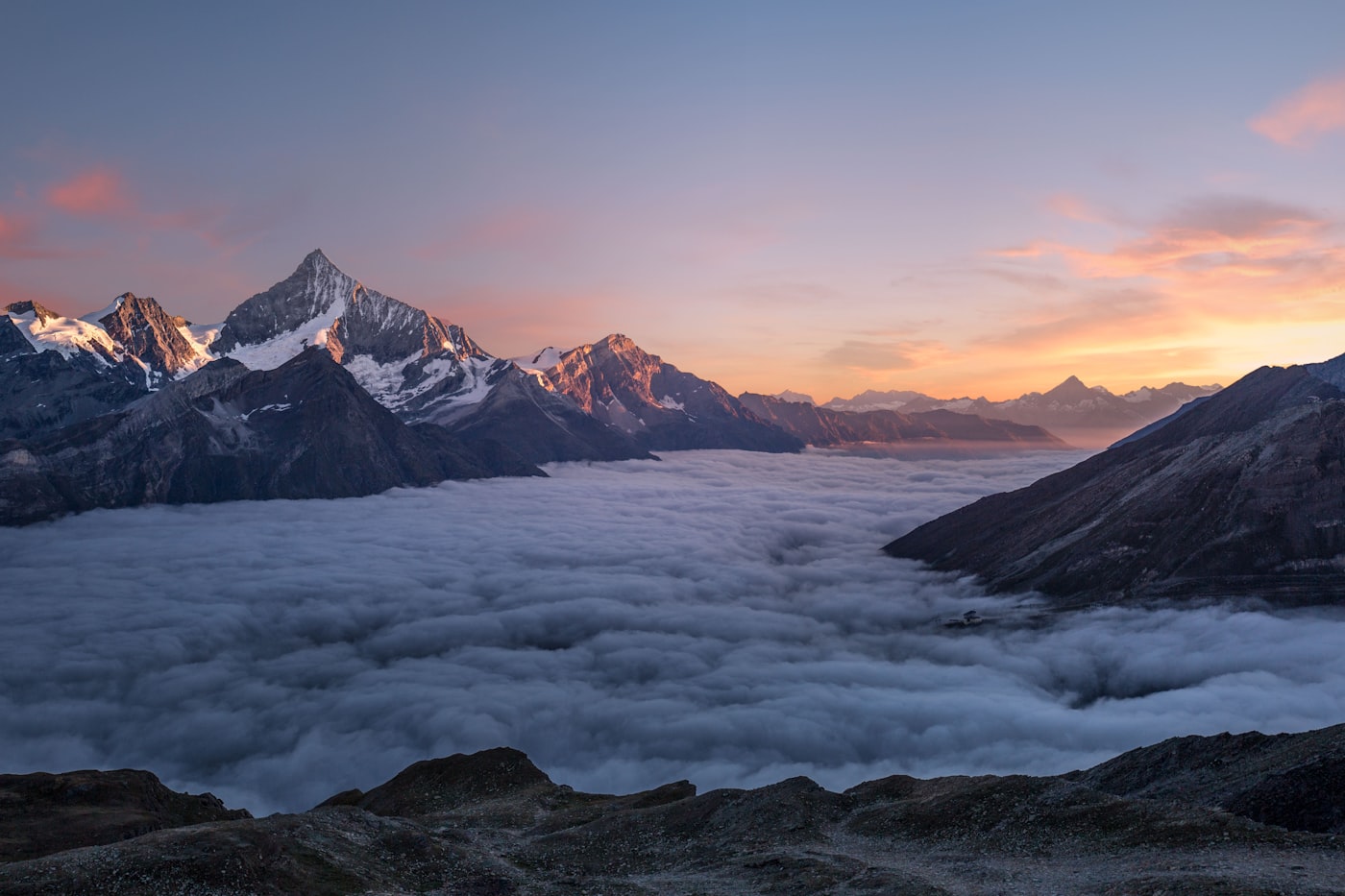
Chile Budget Travel Guide
Chile is the kind of country that looks impossible on a map, a sliver of land running from desert to glacier, and on my first visit it looked just as impossible on my budget app. Then I stopped trying to do everything and started traveling the way Chileans actually live. That changed everything. This long, narrow country turned out to be one of the most rewarding and surprisingly manageable budget destinations in South America, if you work with its shape instead of against it.
How Much You Really Spend Per Day
Chile is the priciest country in South America, and pretending otherwise only leads to sticker shock. I planned for around fifty to sixty dollars a day and often came in closer to forty. Santiago costs the most, where a hostel dorm runs fifteen to twenty dollars and a simple meal ten. Head north to the Atacama Desert or south to Patagonia and prices climb again, because almost everything is shipped great distances. The secret is to balance those pricey highlights with cheaper everyday cities. Valparaiso, the colorful port town, and the wine regions around it feel far more affordable, and ordinary street food like empanadas and completos keeps your daily total low if you let it.
The Shape of the Country Works For You
Chile stretches thousands of kilometers north to south, and your budget depends on how you move along it. Internal flights cover huge distances fast but eat cash fast too. Buses are the budget hero. Chile has a superb network of long distance and overnight buses with reclining seats, and a bus from Santiago up to the Atacama or down toward Patagonia costs a fraction of a plane ticket. I learned to book overnight buses, which save both money and a hostel night. Within cities, the metro in Santiago is cheap, efficient, and easy to navigate, and walking plus the occasional shared van handles most of the rest.
Where to Save on Sleep
Hostels in Chile are generally clean, well run, and sociable, and they are the backbone of a budget trip. In Santiago and Valparaiso a dorm bed stays affordable, while remote places like San Pedro de Atacama and Puerto Natales charge a premium for the same experience, so book ahead in those towns. I have camped in Chilean national parks, which cuts costs dramatically, and used budget guesthouses in smaller towns where a basic private room costs less than a big city hostel bed. On backpacker routes in the Lake District and around Puerto Varas you can find great value. Just remember that Patagonia and the desert are isolated, so be ready for prices that reflect the journey the beer and the bread took to reach you.
Eating on the Chilean Cheap
Chilean food is unfussy, filling, and kind to a thin wallet. My default lunch became the menu del día, a fixed price set menu served around midday that includes a starter, a main, a drink, and often a small dessert. For the price of a coffee in my home country I got a full meal. Street vendors sell empanadas stuffed with beef, cheese, or seafood, and the completo, a hot dog piled with avocado, tomato, and mayonnaise, is a national budget icon I could not resist. Markets are where I bought fresh fruit, baked bread, and cheese for the road. Wine is famously cheap in Chile, and a decent bottle often costs less than a cocktail in the city, which makes for a very happy and very affordable evening.
Free Mountain Air and Cheap Thrills
Some of Chile’s greatest experiences cost no money at all. Santiago’s big green parks, including the forested Cerro San Cristóbal with its walk up the hill, are free and offer views over the whole city and the Andes. Urban staircases in Valparaiso are a free art tour. Beaches along the coast and the lakefronts in the south ask nothing of you but time. In the countryside, the trails around towns like Pucón connect you to waterfalls and volcano views for the price of a bus fare. I saved my paid excursions for the two bucket list sites, the starry desert and the glaciers of Patagonia, and let the free stuff fill the days around them. That balance kept my wallet and my camera both happy.
When to Go and Save Money
Timing moving to Chile changed my budget more than any trick. Peak season runs from December through February, when it is summer in the south, and prices double in Santiago and explode in Patagonia. Shoulder months, October through November and March through April, bring mild weather and much kinder prices, and I found the colors of autumn in the south absolutely stunning. Northern Chile and the Atacama have a steadier climate and are good year round, which gives you flexibility. Even within a single day you can save by booking ahead, since last minute accommodation in small towns fills up and the remaining options charge whatever they like. A little planning made the difference between a budget trip and a bargain.
Practical Tips From the Road
A handful of habits saved me real money in Chile. I always paid in Chilean pesos when a card machine offered currency conversion, because those offers carry a hidden fee. I carried plenty of small bills for markets and street food, where change can run short. I used overnight buses to double up transport and lodging. And I bought groceries for the road rather than eating every meal out. Chile also has a rule about the price of things varying by region because of distance, so I stopped comparing costs between towns and just embraced each region on its own terms. When I finally worked with the shape of Chile instead of fighting it, this long, narrow country rewarded me with deserts, vineyards, lakes, and glaciers, all for less than I ever expected to spend.



