

Best Time to Visit Tibet
When I started planning my Tibet trip, the first question everyone asked me was when I was going, and it turned out to matter more than almost anything else. The weather on the high plateau shapes every part of the journey, from whether the roads are open to how miserable the altitude feels. I learned through experience that timing here is not a small detail. It is the whole game.
Summer: The Main Travel Window
Summer is the busiest and most reliable season, and the reasons are clear. The temperatures are mildest, which matters a lot at high elevation, and this is when I found the region most comfortable to explore. The days are long and sunny, and most of the major sights are open and reachable.
The tradeoff is that this is also peak season. Prices rise, the temples get crowded, and accommodation fills up well in advance. I planned and booked carefully, and I still shared the main squares with plenty of other visitors. If you want the best weather and do not mind company, summer is your time.
Autumn: My Personal Favorite
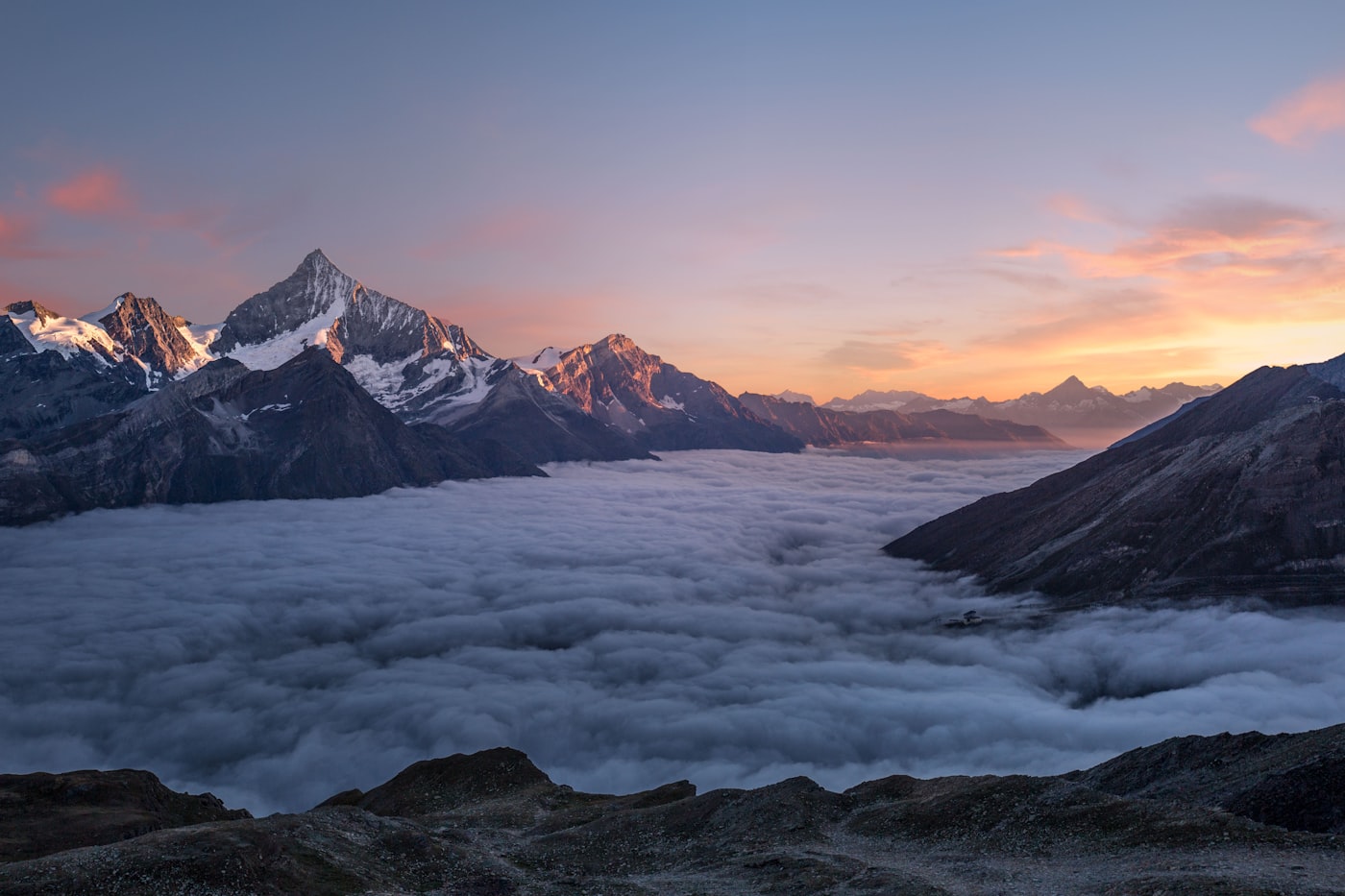
Autumn gave me the clearest skies and the most dramatic light of the whole year. The weather is still workable, the crowds thin out, and the temperatures, while cooler at night, stay manageable during the day. I found the mountains and lakes at their most beautiful in these months, with sharp air and incredible views that felt worth every bit of the cold mornings.
The one catch is that the weather turns quickly. Blue skies can give way to snow without much warning, especially later in the season, and some high passes start to close. October was ideal for me. November gets riskier. If you go in autumn, be ready for fast changes and keep your schedule flexible.
Spring: Dry but Still Quiet
Spring is a decent early option, with dry conditions before the summer rains. The main downside is that it is still cold, and the first part of the season can feel wintry at altitude. I would not choose very early spring for a first visit, because the cold makes it harder to enjoy the slower pace you need for altitude.
Winter: Only for the Adventurous
Winter is quiet and, for most people, too harsh. Temperatures drop hard, many sites close or reduce hours, and the cold makes the already demanding altitude feel worse. I only recommend it to travelers who know exactly what they are getting into and are happy with an empty, frozen landscape rather than an easy trip.
Festivals and Special Timing
If you want to see local culture at its most colorful, line up your visit with one of the major festivals. These celebrations bring processions, music and crowds to the main sites, and the atmosphere is unforgettable. I found that festival windows usually fall in the warmer months, which means you can often combine good weather with a cultural highlight.
Altitude and Climate Effects
Altitude changes how the seasons feel more than you might expect. Cold air holds less moisture, which is why winter and early spring can leave you feeling drier and more worn down even when the sun is out. I noticed my body recovered faster on the milder, slightly more humid summer days, which is part of why sunlight alone is not the whole story when you choose your window.
This also means packing for the coldest end of the season you are considering, because nights always carry a chill at this elevation and sudden wind can drop the apparent temperature fast. A warm base layer and a proper wind shell were two of the best things I brought, and I used them in every season.
Cost and Booking Advice
Prices move with the seasons as much as the weather does, so booking early pays off no matter when you choose. I found that arranging flights, permits and accommodation months ahead gave me better choices and better prices, especially for summer trips when the good rooms vanish fast. If your dates are flexible, ask your operator about the cheaper shoulder weeks, because a small shift in timing can make a large difference in cost. Whatever season you pick, sorting the paperwork early is the single most reliable way to keep the trip simple, because nothing ruins a good plan like a permit problem at the last minute.
My Bottom Line
For most people I would say late spring through early autumn is the safe answer, with June to October offering the best balance of open roads, mild weather and reasonable access. If you can be flexible, autumn is my pick for the best all round experience, especially if you want fewer crowds with the scenery still at its peak. Book early for summer and pack for cold nights no matter when you go.



