

Best Time to Visit Santiago (Chile)
Planning a trip to Santiago used to feel like a guessing game for me. Every city page I read gave a different answer, and the Chilean capital sits in a climate that does not behave like the rest of the country. Because the seasons run opposite to the northern hemisphere, my North American instincts were completely wrong when I first landed. I have now visited in four different months spread across all the seasons, and I can finally give you a straight answer. The best time to visit Santiago runs from October through April, with March, April, and October as my personal sweet spots.
Spring in Santiago: October to November
This is my favorite window by far. October brings the first real warmth of the year without the glare of high summer. I walked through Parque Forestal with a light jacket at sunrise and sat in short sleeves by midday, watching the Andes come back into focus after the winter haze. Jacaranda and cherry trees line many of the streets in bloom, which sounds like a small thing until you round a corner in Providencia and the whole avenue turns purple.
Rain is possible but rare, with October averaging around 15 millimeters for the whole month. Daytime highs climb to about 21 to 23 degrees Celsius and drop to 6 to 8 at night, so I kept a layer for the evenings. November turns warmer still, near 26 degrees, and the rivers and slopes start to fill with hikers again. If you want to combine city life with a day trip up Cerro San Cristobal or a first taste of the Maipo Valley, this is the season I reach for before anything else.
Summer: December to February
Summer is high season, and I understand why. January and February push daytime highs to 30 degrees or more, with brilliant blue skies almost every single day. The sun is intense at this altitude and latitude, and I learned quickly to do my museum mornings early and my outdoor exploring after the heat eased. December is gentler, usually around 28, and carries a festive energy through the markets and the Plaza de Armas.
This is also the most expensive time to visit. Hotels book out around Christmas and across the long summer school holidays, and flight prices from North America and Europe peak hard. The city itself even empties out on weekends as locals head to the coast at Vina del Mar or the beaches near Algarrobo. I enjoyed the energy, but I kept catching myself paying calm-season prices for a room I could have booked for far less in March.
The tricky months: March and April
March is the real winner in my book, and it rarely gets the credit it deserves. The summer crowds thin out, the heat softens to a pleasant 26 or 27 degrees, and the pool at my hotel was still warm enough to enjoy. Grapes ripen across the Maipo and Casablanca valleys around this time, so the winery tours are at their most photogenic. April stays dry and mild, around 22 degrees, with golden light washing over the Andes in late afternoon. I had whole sections of La Moneda plaza and the Barrio Bellavista murals almost to myself, which never happens in the peak months.
Autumn color and the shoulder trick: May
If you care about foliage, May is underrated. The plane trees along the main avenues turn gold and copper, and the city looks genuinely soft in a way summer cannot match. Temperatures ease down to around 17 degrees, nights get cold near 5, and rain returns in a modest way. Prices are low and the crowds are gone, but I would still pack layers, because the mornings genuinely feel like winter while the afternoons tease spring.
Winter: June to August
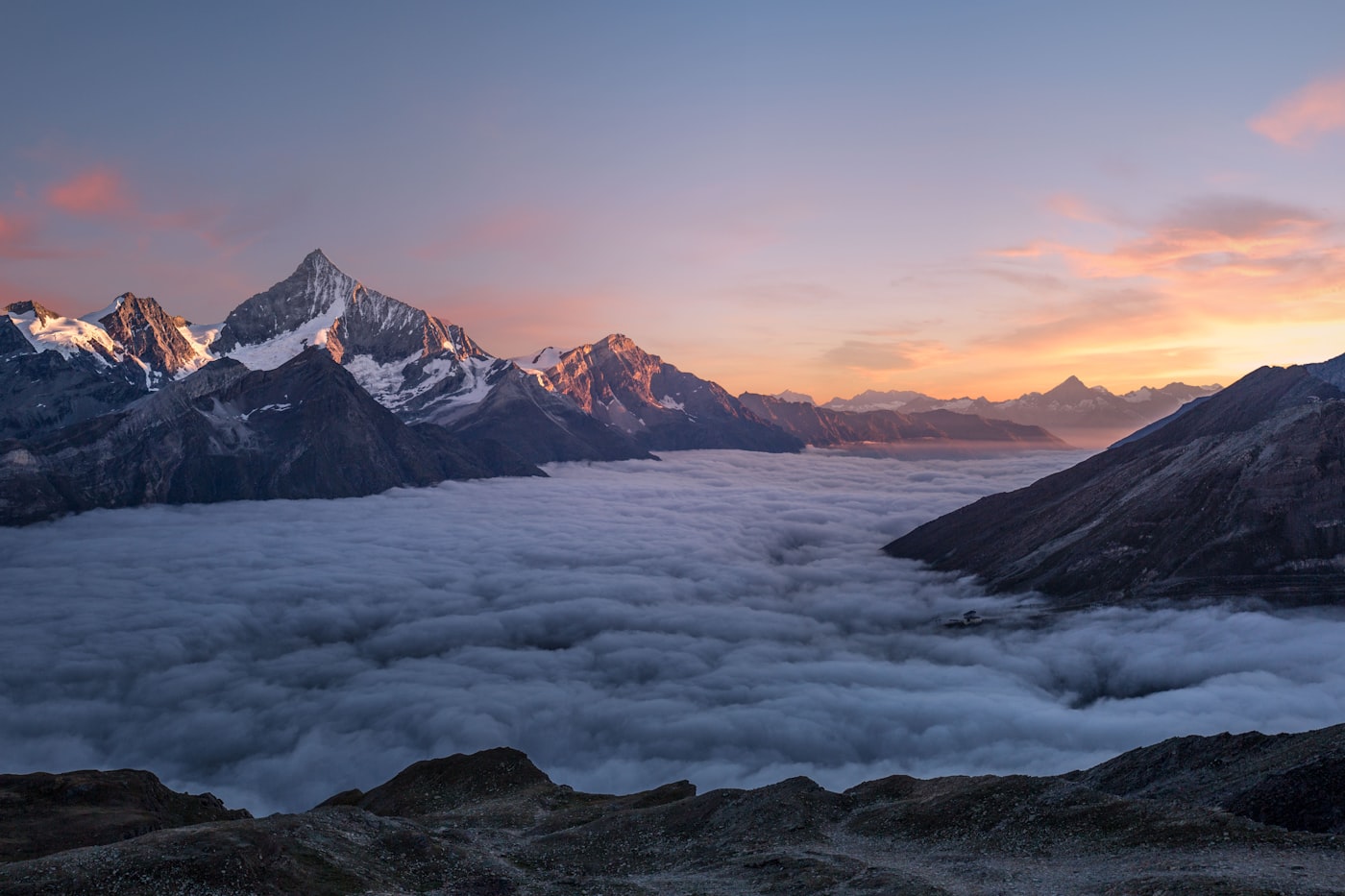
Winter is the coldest, cloudiest stretch, and rain is the real story here. Santiago sits in a bowl between the coast range and the Andes, so in winter it gets trapped under a thick gray maritime layer that can hang around for days at a time. Highs sit around 13 to 15 degrees with light, persistent rain, and I mostly ended up indoors at museums and cafes. The one reason I would come in winter is the snow. That is the season to head up the slopes for skiing at Valle Nevado or to admire the strong white peaks that frame the whole city. For pure city sightseeing, however, I found it gloomy.
My month by month verdict
For weather, comfort, crowd size, and price all weighed together, I would book mid March first, then October, then April. September is the shoulder month that gets muddy after the spring bloom fades and before the Andean snow really arrives, so I skip it unless I am planning to ski. December through February is lovely and predictable but pricey and busy. The honest bottom line: pack a light jacket and comfortable shoes for most of the year, remember the seasons run inverted from the north, and treat summer as the inverse of what the name suggests.



