

Best Time to Visit Quito, Ecuador
I have now visited Quito four times, and I still get the same question from friends before every trip: when exactly should I go? It is a fair question, because Quito does not behave like most cities. Sitting at 2,850 meters in the Andes, it throws out every seasonal assumption you bring with it. After spending a total of six months across those four visits, I can tell you the honest answer: there is no single perfect month, but there is definitely a better time depending on what you want out of the trip.
Understanding the Thin Air of Quito’s Climate
The first thing I learned is that Quito does not have summer and winter the way you expect. Because it sits almost on the equator, the daylight hours barely change all year, and the temperature stays remarkably steady. I spent a January morning shivering in a light mist and, by two in the afternoon, was sweating through my shirt on a sunny street near the Basilica. The daily swing from a cool 10 degrees Celsius at dawn to a warm 23 degrees by midday happens in every month. Packing layers matters more than packing for a season.
What actually changes across the year is rain. Quito has two wet spells and two drier stretches, and that rhythm, more than temperature, decides how much you will enjoy each week. Figuring this out early saved me from a soggy first trip.
The Drier Months: June to September and December to January
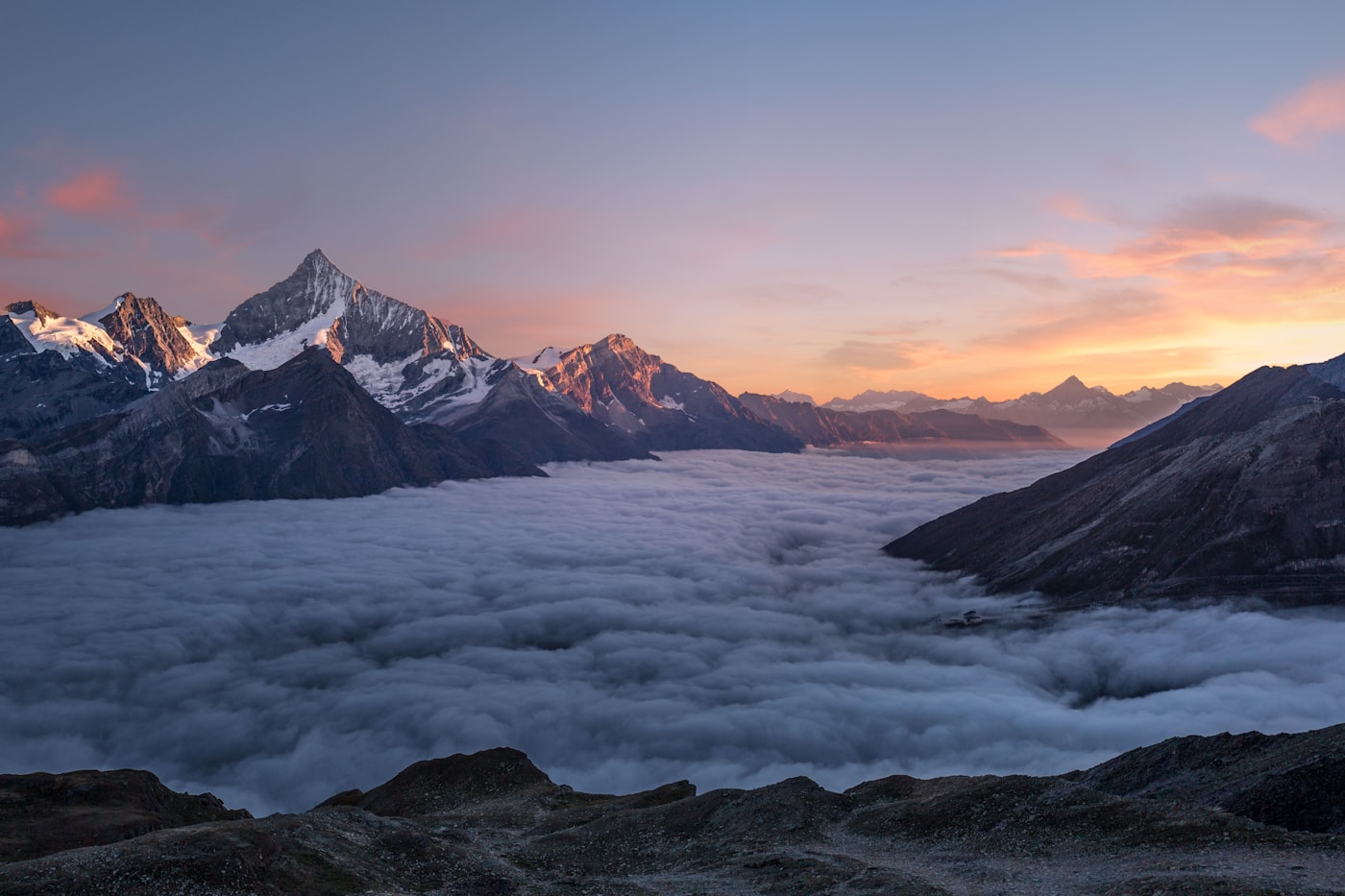
For a first visit, I would happily steer you toward June, July, and August. These are the driest months in Quito, with clear mornings that show off the dramatic views of the Cotopaxi volcano and the snow-capped Antisana on the horizon. I climbed the stairway of the El Panecillo hill on a July morning and had a view spanning half the city under a cloudless sky. The catch is that this is also high season, so the historic center and the cable car to Pichincha are busier and rooms cost more.
I found that December and January offer a gentler second window. The rains are lighter, the streets around La Ronda feel quieter after the Christmas crowds thin out, and prices dip slightly before the Carnival rush. If you want decent weather without the peak-season premium, this was my favorite compromise across all four visits.
What to Expect in the Rainier Months
If you are flexible and watching your budget, the wetter stretches from March to May and October to November can still work well. I visited in April once and the mornings were often misty, but the rain usually arrived late and passed quickly. I learned to book the strong attractions for the first half of the day and keep afternoons flexible. Indoor gems like the Gold Museum in the Casa del Alabado and the churches of the historic center shine on those rainy afternoons, and you will have them almost to yourself.
Prices dropped noticeably in those months, and I found airbnbs and small hotels running halfempty. Just plan for coffee shop stops and carry a compact umbrella, because a single downpour can soak you in seconds at this altitude.
Timing Your Visit Around Quito’s Biggest Festivals
Beyond the weather, I have learned to check the calendar before booking. Quito’s Semana Santa processions in the week before easter draw huge crowds to the old town, and if you are not there for the spectacle, the packed plazas can be frustrating. On the other hand, the Feast of the Virgin of Quito around the end of November brings music and street stalls to the Panecillo, and I found it a joyful time to wander.
The biggest event of all is the New Year’s Eve celebration, when giant paper dolls called anos viejos are burned in the streets at the stroke of midnight. I stood in the crowd near Plaza Grande watching them go up, and it is one of the most memorable experiences I have had anywhere. Just book your room far in advance, because the whole city swells with visitors.
My Bottom Line on When to Go
After all those trips, my honest advice is this. If you want the most dependable clear weather and are fine with crowds and higher prices, aim for June through August. If you want a balance of decent days, lighter crowds, and fair prices with a little rain risk, go in December or January. And if you are chasing value and a more local feel, the shoulder months of October and November reward you if you do not mind an iffy forecast. Whichever you pick, Quito’s mix of colonial streets, sharp mountain light, and warm highland air has never failed to win me over.



