

Best Time to Visit Mustang (Nepal)
I planned my first trip to Mustang for October and spent the whole time wondering why everyone did not come in this season. Then a man in a teahouse told me the place has only two moods: dry and bright, or buried in snow. He was not exaggerating. Mustang sits in the rain shadow of the Annapurna range, which means it is dramatically drier than the rest of Nepal, and that changes everything about when you should go. Here is my honest breakdown of the seasons, based on the trips I have made.
The Golden Window: March to May
Spring is my favorite time in Mustang. The weather is settled, the skies are clear, and the high passes are slowly opening as the snow melts. The days warm up to a pleasant temperature while the nights stay cold, so you want a good sleeping bag and a down jacket. The big draw of spring is the blooming. Mustard fields and wildflowers against the red canyon walls gave me photos I still use as my screensaver.
The Classic Season: October to Early November
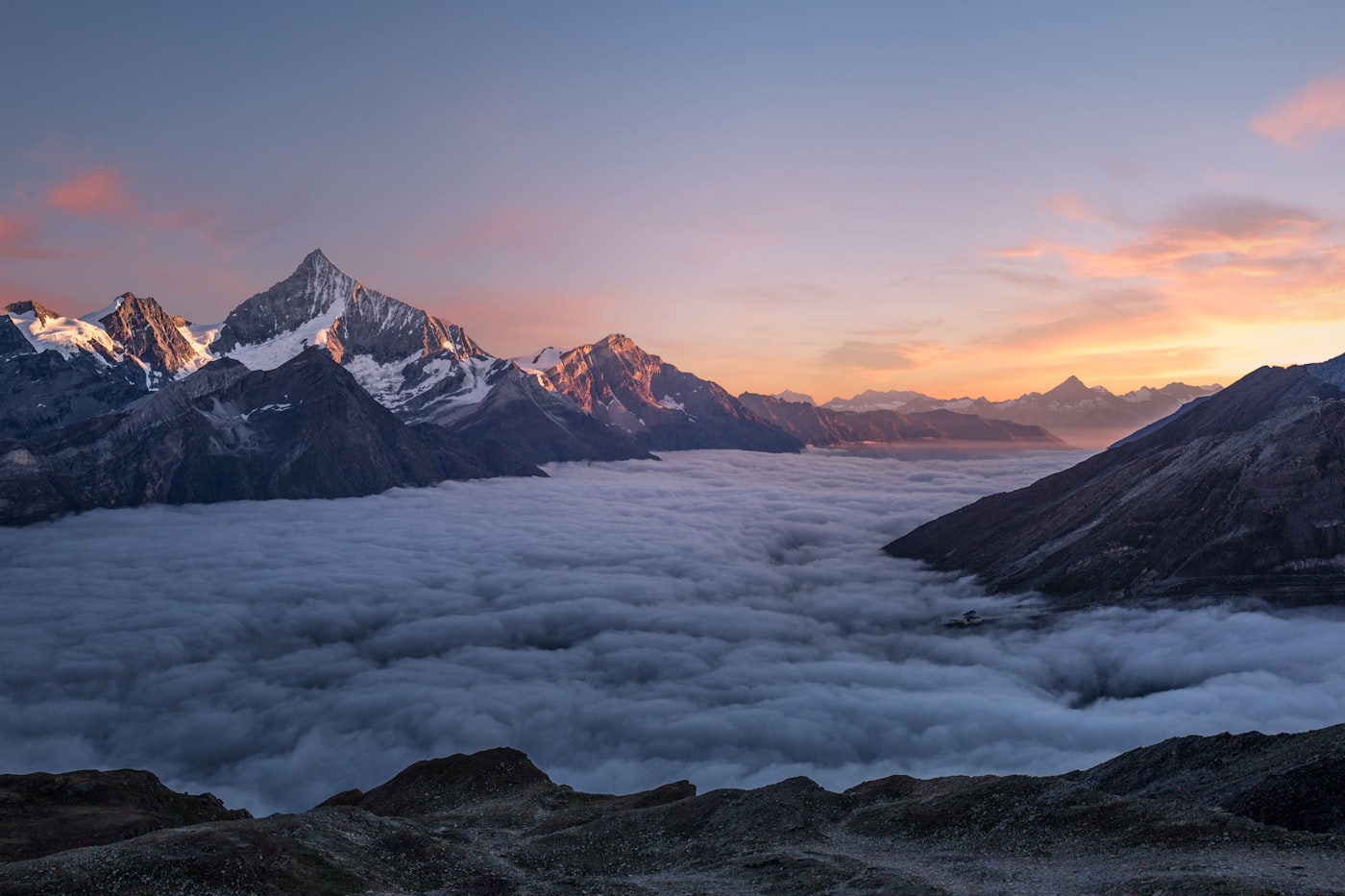
Autumn is when most people make the journey, and for good reason. After the monsoon, the air is clean and the views are at their sharpest. This is the best time to see the peaks and to hike without weather surprises. Book well in advance, because the teahouses fill up and the permits for the season get taken early. I made my booking mistake once and learned my lesson.
The Shoulder: April and November Edges
The weeks right at the start and end of the main seasons are quieter and cheaper. Late April still has the spring bloom but fewer walkers. Early November gives you autumn views with thinner crowds and lower room prices. The trade-off is slightly colder mornings and evenings. If you can flex your dates, these shoulders are the sweet spot I would choose myself.
The Monsoon: June to September
Here is the surprise about Mustang. Because it lies in the rain shadow, the so-called monsoon months are actually the driest and sunniest time of year. The rest of Nepal is getting soaked, but Mustang gets little rain, and the temperature is warm enough that I hiked in a single layer during the day. The catch is that the road to Lo Manthang can still wash out in a heavy storm, and the lower trails outside the rain shadow can get muddy. It is a real option if you want sun while everyone else hides indoors.
The Deep Winter: December to February
Winter is the hardest time. The passes freeze, snow blocks the trails above a certain height, and many teahouses shut and their owners go down to the lowlands. I do not recommend a first trip in deep winter. The landscape under snow is beautiful, but the cold is unrelenting and the isolation can be dangerous if the weather turns. Only experienced, well-equipped hikers with a solid guide should attempt it.
Festival Timing
If you want to see the masked dances in the monasteries of Lo Manthang, you are chasing the Tibetan calendar, not the tourist one. The big festivals, including Tiji, usually fall around May, though the exact dates shift each year. If the festival matters to you, plan around it and expect the town to be livelier and the teahouses busier than usual.
How the Weather Feels on the Ground
The forecasts only tell you part of the story. What I remember most from Mustang is how the weather changes through a single day, and that is worth planning around. Mornings are usually calm and clear, perfect for walking, and then the wind arrives by midafternoon and can bite through a light jacket. By evening the air drops cold again. I got into the habit of walking early, finishing my day’s distance before lunch where possible, and saving the afternoons for the villages and teahouses. That rhythm cut most of the discomfort of the winds and taught me more about the place than any itinerary did.
Should You Book a Festival or a Season?
The biggest choice you face is whether to build your trip around the calendar or around a festival. If you chase the festivals, you accept that the dates move each year with the lunar calendar and that the town will be busier, warmer in energy, and harder to book. If you build around a season instead, you get stable weather and fewer surprises but you may miss the dances entirely. I would rather you decide what matters most, the guaranteed clear skies or the rare cultural event, and plan the other one as a bonus if it happens to line up.
My Quick Answer
For most travelers, the sweet spot is late March through May or October through early November. Go in April and you get bloom plus festival chances. Go in October and you get the sharpest views of the year. If you want warmth and solitude and can handle the road risk, the monsoon months are a hidden gem that few outsiders know about.



