

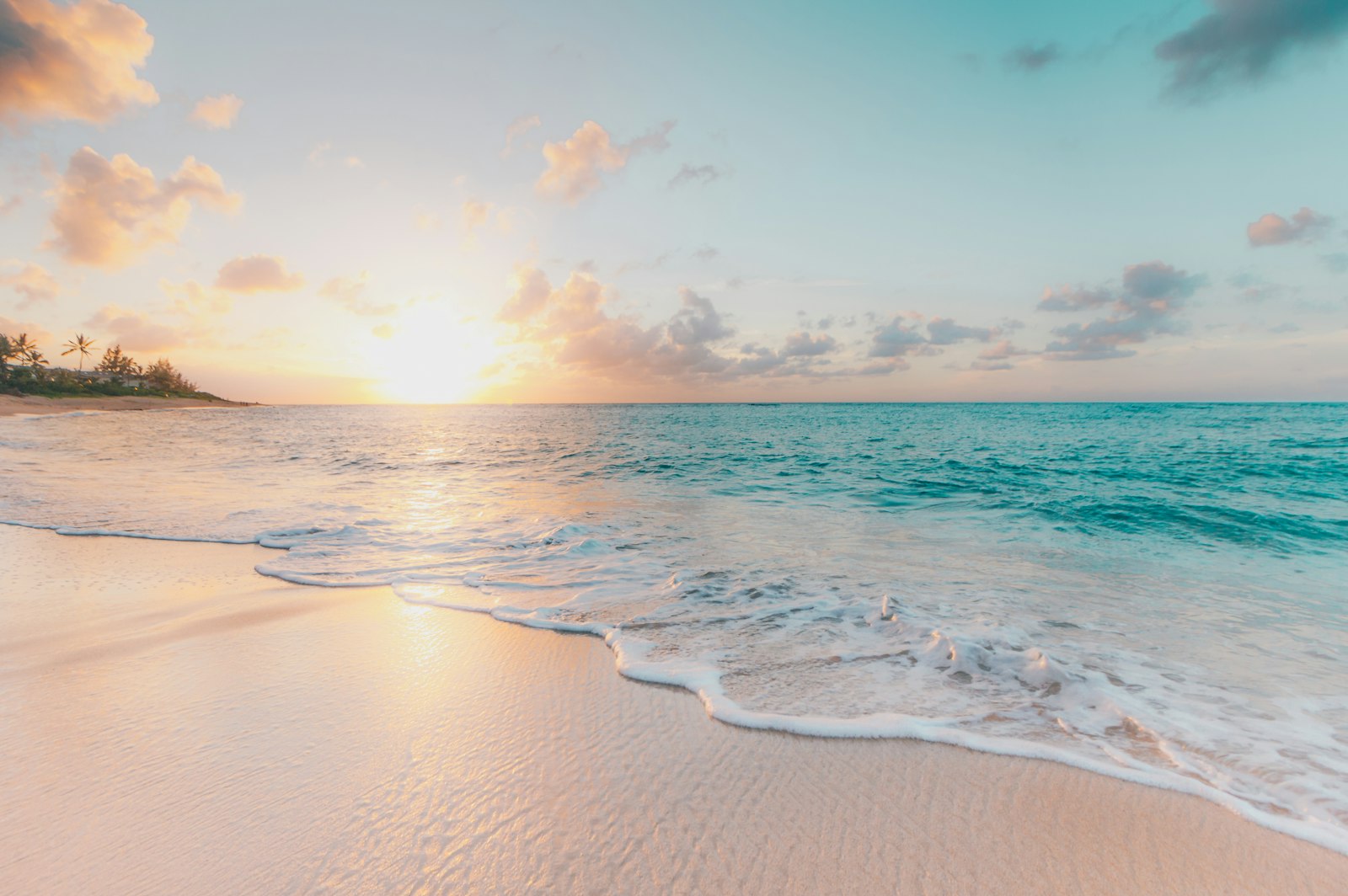
Best Time to Visit Majuro: A Month by Month Guide
I landed in Majuro after a long flight from Honolulu, and the first thing that hit me was the heat. Not the punishing, dry kind. More like a warm, wet blanket that stays wrapped around you through the day and barely loosens at night. That moment, standing outside the airport with sweat already beading on my arms, taught me the most useful lesson about the Marshall Islands capital: the weather here changes far less than your expectations of it.
Majuro sits just seven degrees north of the equator on a narrow coral atoll, which means the tropics run the schedule. The air temperature hovers between 27 and 30 degrees Celsius all year, and the ocean water stays around 28. If you come hoping for dramatic winter snow or a crisp autumn, you will be disappointed. But if you come looking for a place where the seasons are subtle, I can tell you exactly when to book.
Why the Seasons Are Subtle Here
The first thing my host told me was to stop thinking of dry and wet as cleanly separated halves of the year. Unlike many tropical islands that have one obvious rainy season, Majuro sits in a zone where rainfall shows up almost every month. The difference is a matter of degree, not presence. From January through April you get drier, sunnier stretches where the showers tend to be shorter and the trade winds keep the humidity from feeling suffocating.
From May onward the rain builds. November is the wettest month on the calendar, and December carries the strongest winds along with its rain. I did not find the rain unpleasant exactly. What struck me was how quickly it passes. A sudden downpour would drench the streets, and twenty minutes later the sun would be hammering down again on the wet pavement as if nothing had happened.
The Peak Season, and What It Costs
If you want my honest advice, plan around December through March. This is the most popular window for a reason. Conditions are the most comfortable of the year, with the trade winds keeping the air moving and the rain easing off. The island also pulls in holiday travelers and escapees from northern winters who want nothing more than flat water and a hammock.
The tradeoff is real. Accommodation fills up fast, prices climb, and the small number of flights into Marshall Islands International Airport get booked out weeks ahead. If you are flexible on your own schedule, staying flexible on flights matters more than almost anything else in getting a good deal.
My Favorite Windows for a Quiet Trip
I have a soft spot for the months people skip. Late April and early May give you most of the comfort of the high season without the crowds or the peak prices. The water stays warm, the lagoon stays flat, and the beaches on the outer edges of the atoll feel almost empty. It is the closest this part of the world comes to a hidden season.
September and early October are another quiet stretch. Yes, there is more rain. I found the showers short and the skies dramatic, with towering clouds rolling across in the afternoon. If you are not bothered by carrying a light rain shell, these months reward you with serious savings and a genuine, unpolished version of island life. The trade winds that year brought fresh breezes across the lagoon, and every local I asked said the same thing: this is how we actually live here.
Storms, Typhoons, and What to Know
People often ask me about typhoons in the Marshalls, and I will be straight with you. Majuro is farther from the main typhoon tracks than many Pacific destinations, and severe storms are not the everyday risk some travelers imagine. Still, the broader wetter and windier stretch from August through December carries a higher chance of strong weather, and I would not press my luck with a very tight itinerary during those months.
Sea conditions are the thing most visitors underplan for. The outer reef side can get rough when the trades blow hard, and some day trips to the smaller islets run less predictably in the wet season. If your whole goal is calm open water and long lazy swims, the drier window wins every time.
What I Would Do With Your Time
My own trip finally landed in the ten days around mid-May, and it was the sweet spot I keep recommending. The sun held steady through most mornings, the lagoon stayed glassy, and I could walk the main road along Laura village without dodging tour groups. When a shower did roll through, I just stepped under a palm and watched the light change across the water. That is the kind of Majuro I want people to meet.
So here is my bottom line. If you want the most reliable weather and do not mind paying for it, aim for late January through March. If you want quieter beaches, gentler prices, and a more personal trip, give April to early June a serious look, or take your chances with September. The water is warm all year, the people are patient and kind, and the atoll never gets cold. Pack for humid days and sudden rain, keep your plans loose, and trust that Majuro will meet you wherever in the year you choose to arrive.



