

Best Time to Visit Kabul, Afghanistan
Kabul sits at roughly 1,800 meters above sea level, wedged into a valley between the mountains of the Hindu Kush. That altitude shapes everything. The city swings through dramatic seasons, from cold, snow-dusted winters to blazing, dry summers, and when you go changes your whole experience. I spent time in Kabul across different parts of the year, and the honest answer is that there is no single perfect month, only the right season for the traveler you are.
Why Kabul’s altitude matters
Before the calendar, understand the one thing that rules everything else. At its elevation, Kabul gets a real winter with freezing nights and occasional snow, and a summer that is hot but dry rather than humid. The thin, clear air means big temperature swings between day and night in spring and autumn. Knowing that, I packed layers every time, and I was glad I did. The dry climate keeps things comfortable in shade even in the heat, but the sun is strong, so the altitude and sun together mean you need sunscreen and water more than you might expect.
Spring: the sweet spot
My personal favorite is spring, roughly late March through May. The snow melts off the mountains, the gardens explode into bloom, and the city shakes off the cold. I walked the Gardens of Babur when the cherry trees were coming out, and it was the most beautiful the city ever looked to me. Days turn mild and pleasant, nights stay cool, and the light over the surrounding peaks is stunning. Rainfall is modest and drizzle passes quickly. If I had to book one blind trip to Kabul, I would aim for late April and not think twice.
Summer: long, hot, and dry
June through August brings reliably dry, scorching days. Temperatures can climb well past comfortable, especially in July and August, and the sun beats down relentlessly. The saving grace is that the air stays dry, so shade and an evening breeze make it bearable, and the long daylight hours give you plenty of time for exploring. I found the early mornings and late evenings were the only sane windows for walking, with a long midday break in the shade. If you go in summer, plan around the heat and drink a lot of water.
Autumn: clear skies and cooler air
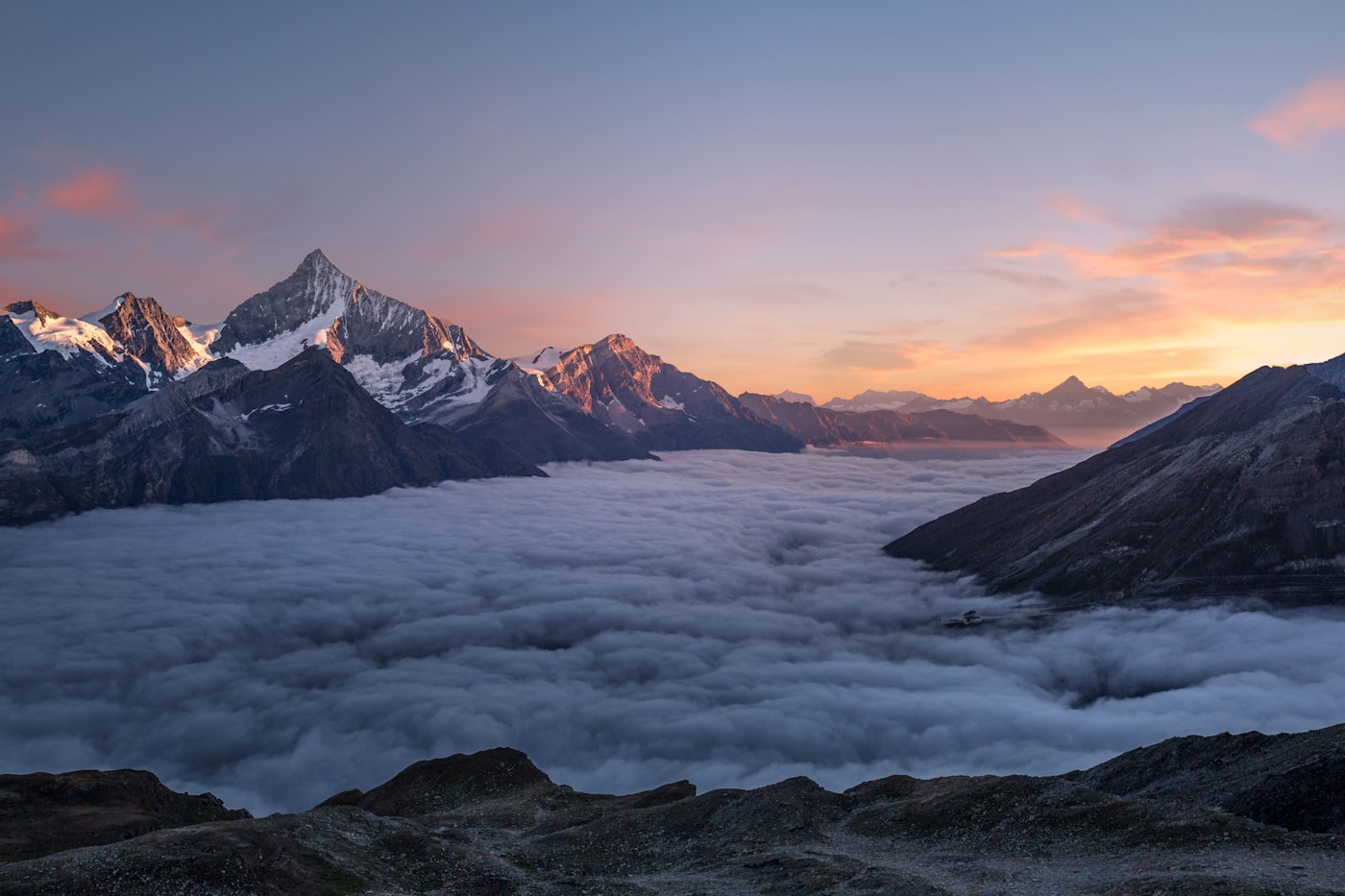
September and October are a close rival to spring. The brutal heat fades, the skies turn a deep, clear blue, and the golden light on the mountains is gorgeous. This was the season where I got my best views of the whole valley, especially from the heights above the citadel, because the air was so clear. Nights turn crisp, so bring a warm layer, but the days are genuinely pleasant for walking the gardens and the old neighborhoods. Autumn felt like the most reliable season for comfortable exploring.
Winter: quiet, cold, and magical
December through February is the coldest stretch. Nights drop well below freezing, and snow can dust the city, coating the mountains and rooftops white. I was surprised how beautiful Kabul looked in the snow, the minarets and the old buildings softened under a layer of white. Days are short and often cold, but the city is quieter and there is a real charm to it if you pack properly. I would not recommend winter as a first visit, especially with uncertain mountain roads, but for the traveler who does not mind the cold, it has a quiet magic.
Holiday and business rhythms
One thing to keep in mind is that the official weekend in Afghanistan is Friday and Saturday, so the city slows down on those days and many offices and some shops close. Religious holidays, following the lunar calendar, shift each year and can bring closures and gatherings that change the rhythm of a visit. I planned my sightseeing around the working week and saved the quiet holiday days for long meals and markets. Check the exact dates for the year you travel before locking in plans.
Practical notes for any season
Pack layers, always. I learned that the hard way on my first trip, shivering through an unexpectedly cold evening in what I had assumed would be a warm week. Bring good shoes for the hills, sunscreen and a hat for the intense sun at altitude, and a reliable water source, because the dryness sneaks up on you. And remember that this is a destination where security considerations should always come first, so check the latest official travel guidance for the specific dates you plan, regardless of season.
So when should you go?
If you want the best weather and the most beautiful gardens, choose late April or May. If you want dependable clear skies and comfortable exploring, go in September or October. If you can handle scorching heat and want the longest days, summer works. And if you want the quietest, snow-dusted version of the city and do not mind the cold, winter has its own draw. Kabul gives each season a different face, and the honest truth is that the right time depends on you, not on the calendar.



