

Best Time to Visit Islamabad, Pakistan
Islamabad sits on the edge of the Margalla Hills, which means its weather turns with the seasons more sharply than the rest of Pakistan’s lowlands, and that shapes everything about a visit. After traveling there at several points in the year, my clear answer is that the best time to visit Islamabad runs from October to April, when the skies are clear, the hills are walkable and the city shows itself at its best. Here is how the rest of the year stacks up and what to expect in each stretch.
October to April: Clear and Comfortable
From October the summer heat and the monsoon both loosen their grip, leaving crisp mornings and pleasant afternoons that make outdoor life easy. This is the window for the Faisal Mosque and the views from Daman-e-Koh, because the air stays clear and you can walk and climb without melting by noon. December and January bring real cool, with cold mornings and chilly evenings, so pack layers for the sunrise and the late hours and expect that thin mountain air to bite after dark. Crowds grow around the winter holidays and rooms book out ahead of the peak, so sort your lodging early. For me this stretch is the easy pick, and I have done my best sightseeing here.
March and April: The Green Shoulder
March is pleasant and often lovely, with warm days, a fresh feel and the hills greening up after the winter, which colors the whole city in a way I really enjoy. April sits on the hinge, still fine at the start of the month but edging toward heat by the end, when afternoons start to push you indoors. If you want the comfort of autumn without the winter crowds, March is a strong choice, and the Margalla trails are at their most inviting. Evenings stay enjoyable enough for a rooftop dinner, and the light for photography is often at its very best through this season.
May to September: Heat and Monsoon
Summer, from May onward, turns Islamabad hot and sticky, and by July and August the heat combines with the monsoon’s heavy rain and climbing humidity to make outdoor plans a gamble. The mornings are the only reliable window for sightseeing, sudden downpours interrupt everything, and the hill trails turn slippery underfoot. On the positive side, prices drop and the city empties out, which suits travelers who can work around the weather. I would avoid June to August for a first trip, though a short summer stay still works if you plan around the rain, build in indoor time at the museums and carry an umbrella at all times.
Watching for Rain and Haze
Aside from the monsoon, Islamabad sees occasional winter rain that can haze the city and dress the hills in mist, which some travelers find genuinely atmospheric rather than a nuisance. The road up to Daman-e-Koh can close after heavy weather, so check conditions before you set off and have a backup plan nearby. Winter mornings also carry a little smog on certain days, though far less than in the bigger cities, and it usually clears as the sun climbs. A flexible day or two in your plan handles the small disruptions without costing you any of the main sights.
Festivals and Calendar Notes
Around the national holidays and the religious festivals, expect some closures and busy roads, and notice that Fridays bring a midday pause as people attend prayer. The spring and autumn months bring the most comfortable balance of good weather and manageable crowds, so if your dates are flexible, aim for the shoulder seasons. Give yourself a couple of buffer days to absorb travel hiccups, then treat the weather as part of the adventure rather than a surprise. With October to April as your guide, every main sight from the mosque to the viewpoint sits within reach and comfort, and you leave with the trip you hoped for.
What the Seasons Do to the Views
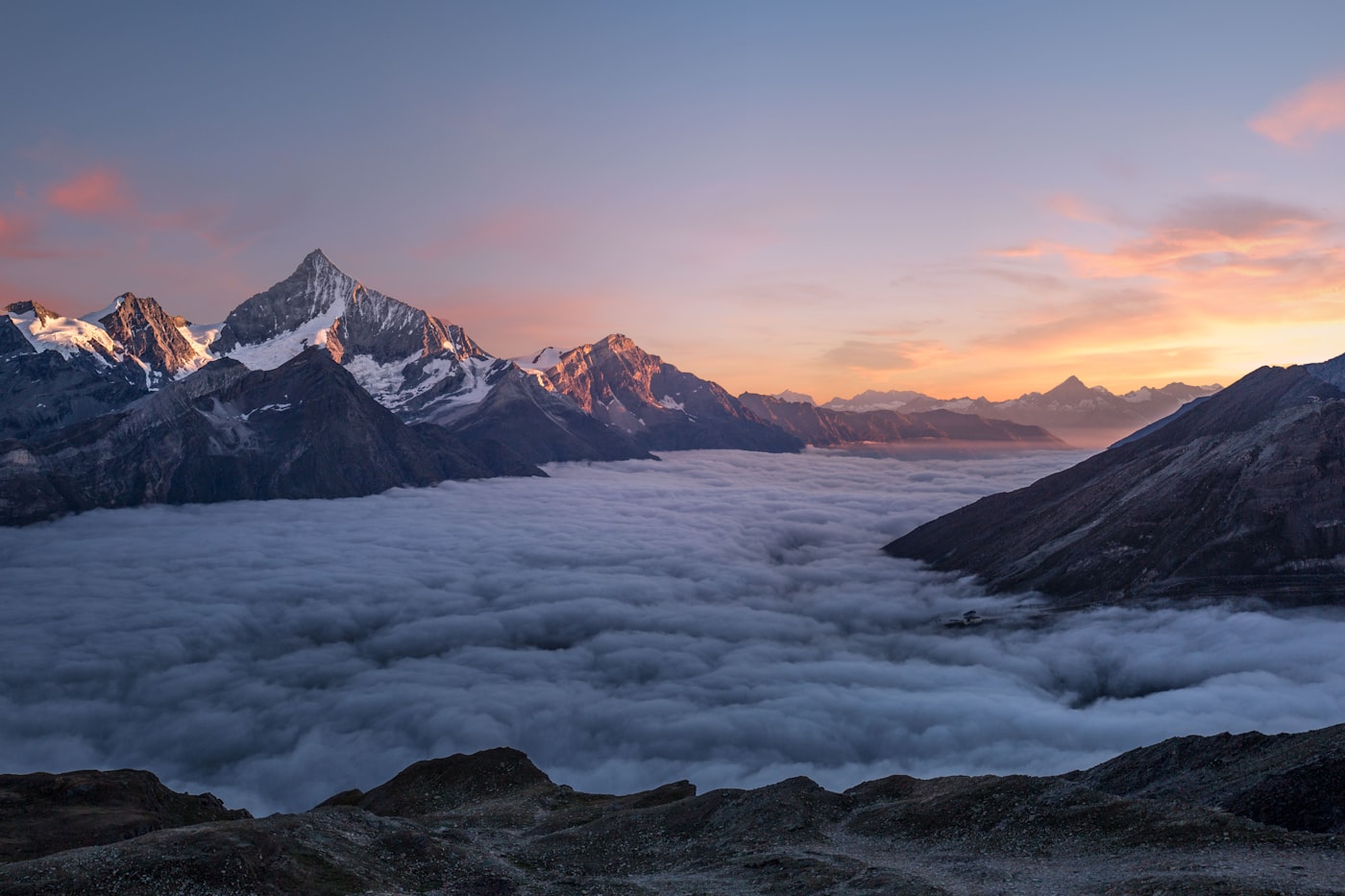
Beyond the thermometer, the season changes what you actually see. In autumn and winter the Margalla Hills stand out crisp against a clear blue sky, and the Faisal Mosque photographs sharply with mountains behind it. In the spring the hills green over and the parks fill with blossoms, which softens the whole city and makes the streets pleasant to walk. In summer the haze and humidity flatten the views and wash out the color, so the famous panoramas from Daman-e-Koh and the monuments lose their crispness. For photography and for pure visual enjoyment, the cooler half of the year wins easily. If you care about clear long views, aim for the weeks right after a winter rain, when the atmosphere clears and the ridges look their crispest.
Whichever window you choose, the golden rule is to match your plans to the season rather than fight it. A winter trip rewards layering and early starts, while a spring visit lets you take your time in the parks and on the trails. Ask your hotel what the local weather is doing in your month, then pack to match. Islamabad forgives most mistakes as long as you have comfortable shoes, a sense of humor and a flexible morning.



