

Best Time to Visit Huangshan, the Yellow Mountains
I have walked the granite ridge of Huangshan in every season, and there is no bad month, only different versions of it. The first time I climbed, on a crisp autumn morning with the sea of clouds pouring gold around my feet, I thought I had found the peak moment. Then I went back in winter and watched the sunrise over snow and glassy granite, and realized the mountain was just getting started. Picking the right time matters, because the weather decides what you see, so here is what I have learned about matching your trip to the season of Huangshan you want.
The Classic Spring and Summer Green
April through June is the most famous window, and for good reason. Spring brings the mountain to life, with fresh green bursting over the slopes, rhododendrons flowering, and the fog that gives the landscapes their dreamlike quality in regular supply. The temperatures are mild and comfortable for the long walks, and the combination of colour and drifting cloud is the image that made the mountain famous. May is the sweet spot, before the summer humidity peaks and while crowds are manageable. Just pack for changeable skies, because the mountain makes its own weather.
Autumn: The Cloud Seas and Clear Skies of October
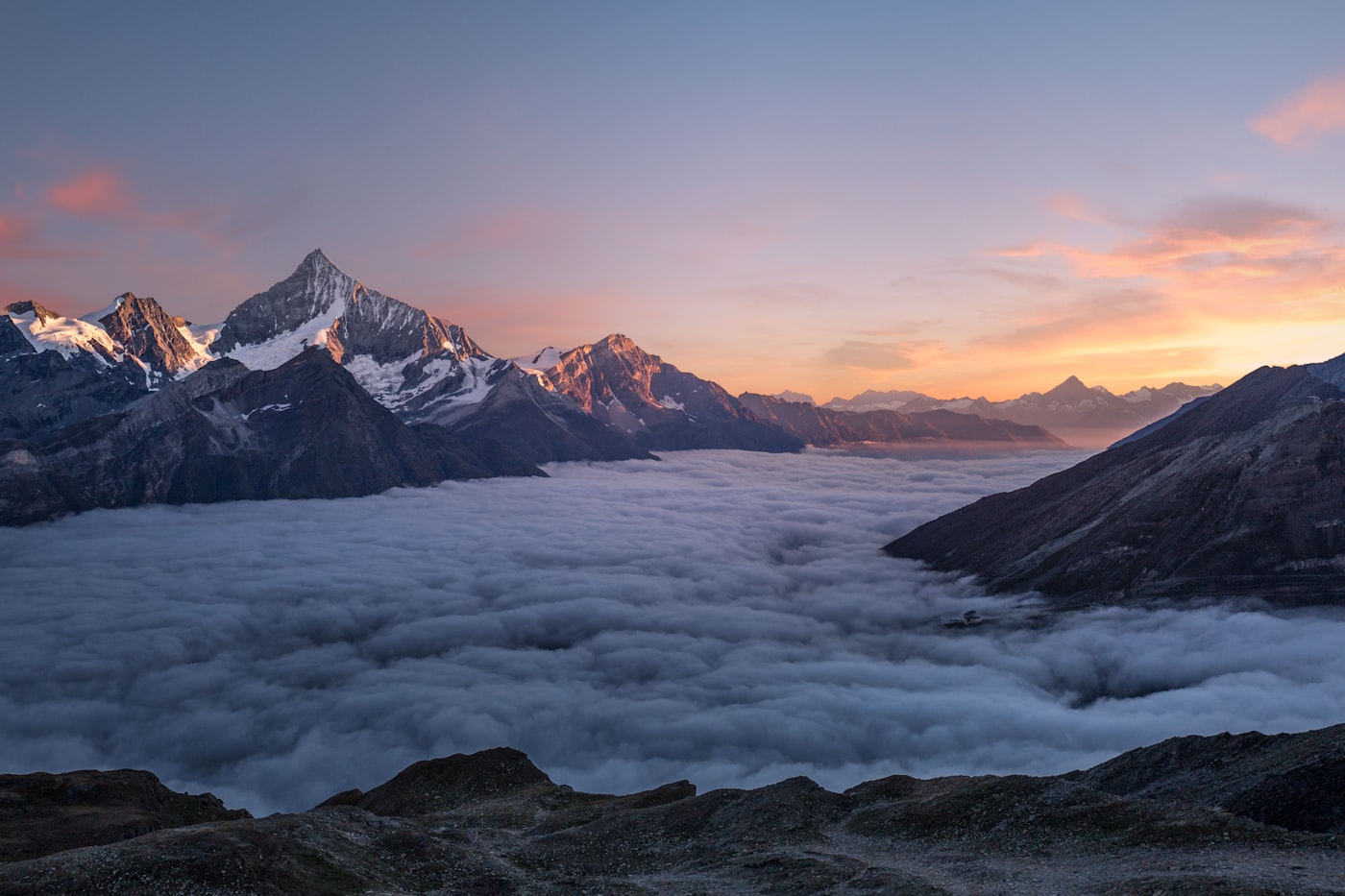
If crisp weather and the famous sea of clouds are your goal, October is your month. Autumn is the most dependable for clear skies, with the view at its sharpest and the peaks standing in brilliant relief against blue. The leaves paint the lower slopes red and gold, and the chance of a glorious sunset or sunrise over the cloud bank is at its peak. Understand that October, especially the national holiday week at its start, draws the biggest crowds, so book your cableway and hotels ahead and start early.
Winter: Snow, Light, and Quiet
Dangerous beauty is how I think of winter from December through February. When the snow comes, it settles over the granite and the gnarled pines, and the whole mountain turns into a black and white ink painting made real. The pines hold the snow like lace, and the frozen cliffs glitter in the low sun, making it the best season for photography and for near empty trails. But it is also the coldest and most brutal season, with frozen paths, biting wind, and closures of exposed steps. Proper boots, crampons, and layers are essential, and you must check conditions before heading up. For those who brave it, winter Huangshan is the rarest version of the mountain.
Summer Heat and Afternoon Rain
July and August bring the thick of summer. The slopes crowd with green and the temperatures, while mild compared to the lowlands, bring warm humidity to the walk. These months also bring the highest chance of rain and thick mist, which can swallow the peaks for hours. I have stood on Bright Top in summer and watched the entire world vanish into white. It is atmospheric, and the lush green is lovely, but if clear views are your priority, consider another season. An early start beats the afternoon showers.
Finding Clear Skies and the Sea of Clouds
The two things everyone hopes for here are the sea of clouds and clear skies, and they are connected but not the same. The sea of clouds forms most often in the morning and late afternoon, when temperature changes condense the valley mist into a rolling white ocean below the peaks. Clear skies are most reliable in autumn and the driest winter days. Check the daily summit forecast, trust the local cloud cameras when you arrive, and build a flexible two night stay so that if day one is misty, day two may be golden. Patience is the real weather tool.
Weekdays and Sunset Timing
Beyond the season, the day of the week and the hour shape your Huangshan as much as the month. Weekend crowds swell across the ridge, so if you can climb on a weekday, especially Tuesday to Thursday, the trail feels like a different place. For light, sunrise is the golden hour on the eastern peaks and sunset glows on the western viewpoints. I always try to be on the ridge for the opening morning and plan walks with the sun at my back. A two night stay solves most of this with two dawns and two dusks.
What to Know for Any Season
A few truths hold whatever month you choose. The ridge sits around 1600 to 1860 metres, so the sun is stronger and the evenings colder than the foothills suggest; pack sunscreen and warm layers in summer and serious insulation in winter. Book the cableways and mountain hotels far ahead, because they sell out in the peak seasons and on weekends. And keep a flexible spirit, because the mountain’s weather is famously its own boss, and the mists can turn a clear plan into a quieter adventure. Choose the season that speaks to your goal, and then open yourself to whatever Huangshan decides to show you. That openness is the entire point.



