

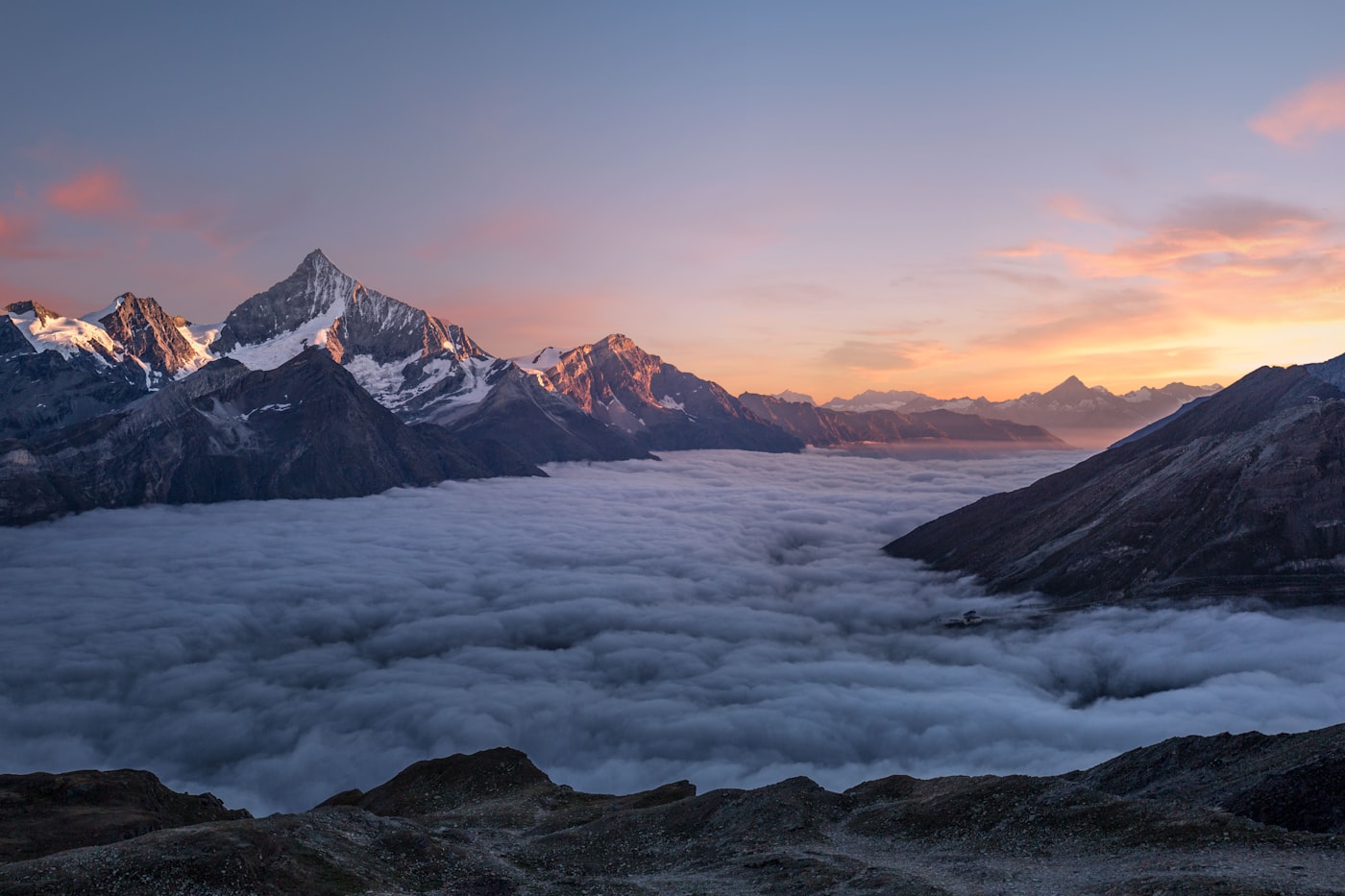
Best time to visit Hsipaw
I arrived in Hsipaw in early November, just after the rains had stopped and the hills were still a deep, vivid green. Over the next four days I walked through misty valleys in the cool mornings and watched the sun burn off the clouds by midday. It turned out I had picked almost the ideal moment, because Hsipaw sits in the hills of Shan State and the season makes a real difference to what you can enjoy.
The cool dry season, November to February
For most travellers this is the green light window. Days are warm and sunny, nights turn genuinely crisp, and the mountain views stay clear. This is also the peak time for trekking, since trails are dry and the long walking days sit comfortably in the mild temperatures. The downside is that everyone else had the same idea, so guesthouses fill up early and the bigger villages get busy. Book ahead and you will still find the quiet corners.
December and January are the coldest months, and in the hills a fleece in the evenings is welcome. The tea gardens and terraced paddy fields look their best now, just after harvest in many areas, when the valleys take on a warm, tawny tone.
The hot season, March to May
From March the town heats up, with April usually the hottest stretch. Trekking gets harder, and the midday sun makes the exposed ridgelines uncomfortable. The upside is that the crowds thin out and prices drop. The waterfall outside town becomes more appealing than ever, and locals gather there in numbers to escape the heat. If you go now, start walks at first light and plan your afternoons around shade and the river.
April also brings the Myanmar New Year water festival, called Thingyan, which Hsipaw celebrates with real enthusiasm. Expect a town-wide water fight, music, and food stalls, and a very different energy from the calm of the dry season.
The rainy season, June to October
The monsoon transforms Hsipaw into a rolling green basin. Daytime showers are common, usually arriving in heavy bursts, but the mornings are often clear. The hills are at their lushest, and the rivers and waterfalls run full. The challenge is the trails, which turn slippery, and the leeches in the wet forest, which any trekker will mention within five minutes of the first sighting.
Several guesthouses close or scale back in the wettest months, and some of the further villages can be harder to reach. Still, if you come prepared for mud and a flexible plan, you get the empty town and the greenest landscape of the year at knock down prices. Walking boots and a sense of humour about the weather make it work.
Festivals worth planning around
Beyond Thingyan, the town celebrates several pagoda festivals tied to the lunar calendar. The most famous of the region is the Ananda Paya festival around the full moon of Tazaungmone, usually in November, when Hsipaw and nearby towns light up with processions and fairs. I arrived the weekend before it and could feel the town building toward something, with stalls going up and everyone in a festive mood.
Getting the weather right for the trek
The multi day walks are the main event, and they are easiest under clear skies. Mornings on the ridge line are best when the mist has burned off by nine or ten, which the dry season delivers reliably. In the hot season the high sun makes the exposed sections punishing, so an early start is non negotiable. In the wet months the views are moody and the trail is demanding but the villages look their greenest. For most people the trade off between dry comfort and empty trail decides it.
When the trains and buses run
Two practical notes about the dry peak. First, the Mandalay to Hsipaw train sells out quickly in the cool months, so buy a ticket a day ahead rather than hoping for a spare seat. Second, the winding road up from the plains is far more pleasant in the dry season, when the curves are clear and the dust is manageable. In the wet season the same route can be slow and slippery. Season shapes transport as much as sights.
My honest recommendation
If I had to pick, I would aim for the tail of the dry season, late February to early March. The crowds of winter have thinned, the days are still mild, the trails are dry, and the hills have not yet baked into the sharp heat of April. It gives you the full range of Hsipaw, from high ridgeline walks to long teashop afternoons, without the peak season prices. But if the water festival is the goal, April is the only answer, and you will trade the calm for an unforgettable few days.



