

Best Time to Visit Hehuanshan: A Season by Season Guide
I have climbed the twisting Wuling road to Hehuanshan more times than I can count, and every trip has taught me that this mountain keeps a different secret for each season. Perched in central Taiwan at over 3400 meters, Hehuanshan is one of the few places in the subtropics where you can touch snow. If you are planning a trip, the single most important decision you will make is when to go. Let me walk you through what each season offers so you can pick the window that matches your goals.
Why the timing really matters
Hehuanshan is not a place you simply show up to. Because it sits well above 3000 meters, the weather turns on a dime. A sunny morning can become a whiteout by noon. Visibility can drop to a few meters inside a bank of cold cloud, and the summit winds on the Wuling pass can make even a light hike feel like a fight. For this reason the seasons shape everything, from road closures to the number of other travelers you will share the summit with.
Winter, from December to February
Winter is the season everyone dreams about, and it is also the most crowded. When a cold front sweeps down, Hehuanshan becomes Taiwan’s closest thing to a ski resort. Roads get closed to cars at the base, everyone parks and walks up in rented jackets, and the snowline can drop below the visitor center. I have stood in snow drifts here while the rest of Taiwan wore shorts. If your goal is snow, you must check forecasts and arrive at dawn, because the afternoon sun and crowds both melt the charm quickly. Expect heavy traffic, thin ice, and the need for chains. For all the hassle, watching snow fall at 3000 meters on a tropical island is something I will never forget.
Spring, from March to May
Spring is my personal favorite window. The crowds of winter fade, the roads reopen fully, and the mountain gets a cover of emerald grass and blooming wildflowers. The famous alpine rhododendrons and the white trumpet flowers of the bird cherry begin to appear, and the light in the valley feels soft and fresh. Mornings still bite cold, so I always carry a warm layer, but the days are usually calm. This is the season for easy day hikes, quiet photography, and watching the sun rise over the cloud sea without fighting for a spot at the rails.
Summer, from June to August
Summer is when I go to escape the heat. Down in the cities the temperature can pass 35 degrees, but up on Hehuanshan it stays comfortably cool, sometimes dipping into the teens even in July. The tradeoff is weather. Summer is typhoon and thunderstorm season, and the frequent afternoon rain can cover the summit in cloud. When the sky clears, the views are glorious, with lush green ridges and blue skies. I plan summer trips loosely, keep an eye on the radar, and expect rain to play a role in at least one of my days.
Autumn, from September to November
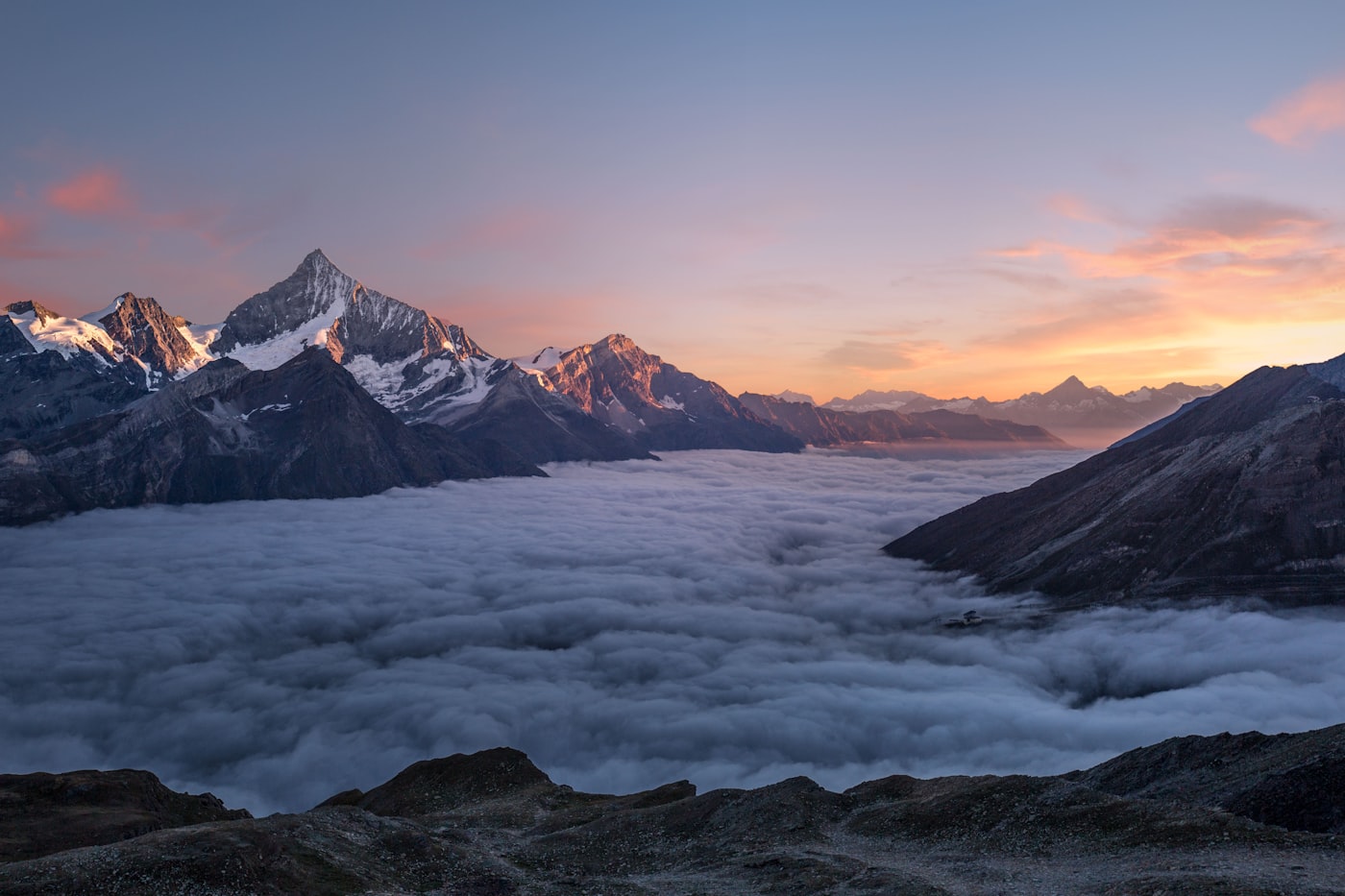
Autumn is the most reliable season of all. The typhoon period winds down, the humidity drops, and the mountain enters a stretch of crisp, clear air that photographers love. The silver grass turns the slopes a pale gold, and the evening light paints the peaks in warm tones. I rate this the best season for the famous sea of clouds, because the stable high pressure keeps the valleys full of low cloud while the peaks stay sharp above them. The only real challenge is that clear weekends draw everyone, so I try to go on a weekday.
What time of day to plan for
Regardless of season, sunrise is the moment that defines Hehuanshan. The Dong Feng and Zhu Shan summits are famous for it, as the sun breaks over the Central Mountain Range and floods a sea of clouds with color. This means a very early start, often before 4 a.m., and a headlamp on the trail. If you would rather sleep, the sunset views from the Wuling parking area are nearly as good and far easier to reach.
Roads and practical realities
You will drive in through the Wuling, the highest point on the east west route across Taiwan. In winter, heavy snow can force complete closures, so always check the official road status the night before. The rest of the year, the paved road reaches almost to every summit, which makes Hehuanshan unusually easy, but that road also brings busloads of visitors on weekends. Arrive early, bring warm layers even in July, and pack water and snacks, because the facilities here are basic.
My final advice
If I had to choose a single best time, I would point to late autumn, roughly October and November, when the weather is stable and the crowds are thin. If you specifically want snow, go in January and February with flexible plans and good forecasts. And if you simply want cool air and green slopes while the cities boil, any clear day in summer will reward you. Hehuanshan is never the same twice, and that is exactly why I keep going back.



