

Best Time to Visit Haiti for Perfect Weather
Ask me about the weather in Haiti and I will give you a different answer depending on the season you mention, because the country genuinely shifts character across the year. I have been there in the dry months and in the heart of the rainy season, and both versions have their charms. But if you want the closest thing to perfect weather, the kind where you can plan outdoor days without staring at a forecast, I have a clear pick after years of watching the patterns from both the coast and the mountains.
What Counts as Perfect Weather Here
Before I name dates, let me define perfect for Haiti. The island is warm by nature, hovering in the high twenties for most of the year, so the thing that actually ruins days is rain, not cold. For me, perfect means long sunny stretches, lower humidity, calm seas for swimming, and nights that drop enough to let you sleep without air conditioning. That combination points squarely at the dry season, which runs between November and March every year.
The Dry Season Window
The stretch from mid December through February is the one I keep coming back to for ideal conditions. The trade winds settle the air, humidity falls, and the coast rewards you with steady sun. The trade off is that these same months pull in the most visitors during the winter holidays, so prices rise and the best guesthouses fill early. Within the window, late January and February are my personal favorites, when the holiday crowd has thinned and the weather holds steady.
How the Seasons Actually Shift
Haiti has two wet seasons rather than one clean split. The bigger rainy stretch runs from around May through June, and a second, shorter burst arrives in September and October. These months bring heavy afternoon storms that can flood streets quickly, yet they rarely rain all day. I have watched a full downpour flatten a Port au Prince street by mid afternoon and give way to a clear, beautiful evening an hour later. If you are flexible about when the showers fall, even the rainy months can deliver decent travel days.
What Perfect Looks Like on the Coast
For beach days, the dry season is hard to beat. Near Jacmel and Ile a Vache the sea stays calm and the water clarity improves once the rain stops washing sediment into the bay. I spent a perfect week at Ile a Vache in February, kayaking the turquoise shallows and hiking the hilltop paths without a drop of rain. If coastal perfection is your goal, aim for January through March and you can plan days by the water with real confidence.
What Perfect Looks Like in the Mountains
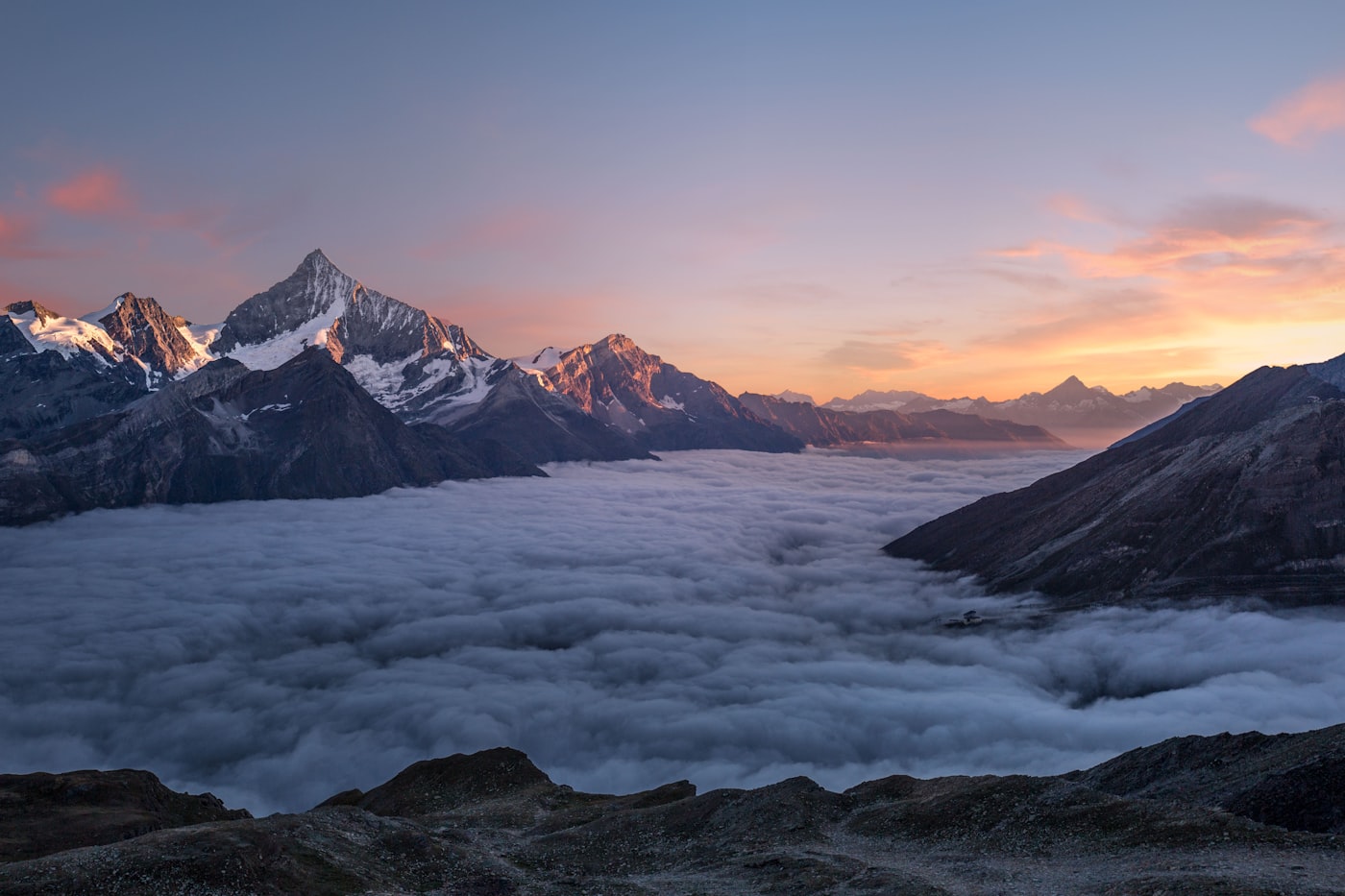
The interior is where the season matters even more. In the highlands east of Port au Prince and toward the mountains near the Dominican border, fog and rain can roll in at any time, but the dry season gives you the clearest skies. The views from the mountain roads over the valleys are at their sharpest in February, when the air is at its driest. I would not attempt the rougher mountain trails in the thick of the rainy season, when mud turns them into a real ordeal.
When to Avoid
If you are chasing perfect weather, the months to skip are the deep rainy spells of May and June and the storm prone stretch of September and October. Hurricane risk is highest in that autumn window too, and I have seen trips rearranged by approaching storms. The upside is that low season travel is dramatically cheaper, so if budget matters more than guaranteed sun, that trade off can be worth it. Just share my strategy, build flexibility into your itinerary.
My Final Answer
If someone presses me for a single window, I say late January through February. You get the dry trade wind weather, calmer seas, clear mountain views, and only modest crowds once the holidays pass. March is a nearly equal runner up if you want a touch more heat. Any time you choose, pack for both sun and a surprise shower, because even in the dry season the Caribbean keeps a few tricks up its sleeve. That is the honest truth about chasing perfect weather anywhere.
Why Climate Cycles Change the Odds
Something worth knowing is that El Nino and La Nina years can bend these patterns. In drier La Nina years the rainy season sometimes underwhelms, while in wet El Nino years even the dry season gets drenched more than usual. I have seen both extremes on the ground. That is why I never promise a friend perfect weather, only a strong probability. What I can promise is that the dry season months give you the best odds by a wide margin, and that is usually worth paying for when you have booked one week of vacation and cannot afford to gamble it on a forecast.



