

Best Time to Visit Gokyo (Nepal)
I made my first trip to Gokyo in October, and I now understand why the teahouse owner smiled when I told him my dates. He had seen a decade of weather, and he knew what October would bring. Gokyo is a high lake village above 4,700 meters in the Everest region, and the season you pick decides everything about your experience. Here is the honest, month by month picture.
Autumn: October and November
This is the classic window, and it earns its reputation. After the monsoon, the air is rinsed clean and the peaks stand out with a clarity you have to see to believe. October gives you the sharpest views of Everest and Cho Oyu from the Gokyo Ri summit. By November the crowds thin and the nights turn properly cold, but the skies stay blue. This is the safest, most photogenic time to go.
Spring: March and April
Spring is the second good window. The weather is stable, the days are warmer than autumn, and the trail comes alive as the snow pulls back. Rhododendrons and early flowers color the lower sections of the walk. April is especially lovely, with clear mornings that set up the classic clear view from the lakes. The one caution is that spring can bring afternoon cloud and the occasional storm, so pack for changeable conditions.
Late May: The Edges of Spring
The end of May sees temperatures rising and the glaciers more active as the melt begins. Views are still good and the crowds thin out as the season winds down. The trade-off is the growing chance of afternoon cloud and a bit more water on the trails. If you want a quieter shoulder season and can handle some gray afternoons, late May is a reasonable pick.
How the Lakes Change With the Season
The lakes themselves tell you the time of year. In autumn they sit clear and intensely colored, holding the clean air and reflecting the sharp peaks. In spring they are just as lovely, surrounded by reviving grass and early flowers. By the monsoon they turn milky and gray with runoff, and in winter they freeze solid, turning the valley into a white expanse. If the look of the lakes matters to you, note that the color you see in every photograph belongs to the clear seasons, autumn first and spring second, which is one more reason those windows lead the list.
Plan Around the Crowd and Permit Realities
Because Gokyo lies in the Everest region, you need a national park permit as well as a local area permit, and the paper trail takes a day in Kathmandu to arrange. The busy windows, October and April, are also when the teahouses fill, so booking a bed ahead matters more than almost anywhere else. I learned that on a crowded spring night. The trick is to treat the permits and bookings as part of the season decision, not an afterthought. The clean views you came for are worth the planning, and the effort becomes invisible once you are walking.
The Monsoon: June to August
The monsoon is the hard season here. Heavy rain turns the lower trails to mud, clouds sit low over the valley, and the views of the peaks vanish behind the weather. Landslides can close the trails, and the route feels sodden. I would not plan a first visit in these months. If you do come, you may still get breaks of sun, but you are gambling with the whole point of coming, which is the view.
Deep Winter: December to February
Winter at 4,700 meters is brutal. The lakes freeze, the village empties out, and the cold is constant and intense. Many teahouses close for the season. The Gokyo Ri climb becomes a serious expedition in deep snow and ice, and the route can be genuinely dangerous. Only experienced, well-equipped mountaineers should consider it, and even they should rely on a seasoned guide’s judgment rather than their own optimism about the route, because a mistake up here is not easily forgiven.
Sunrise and View Notes
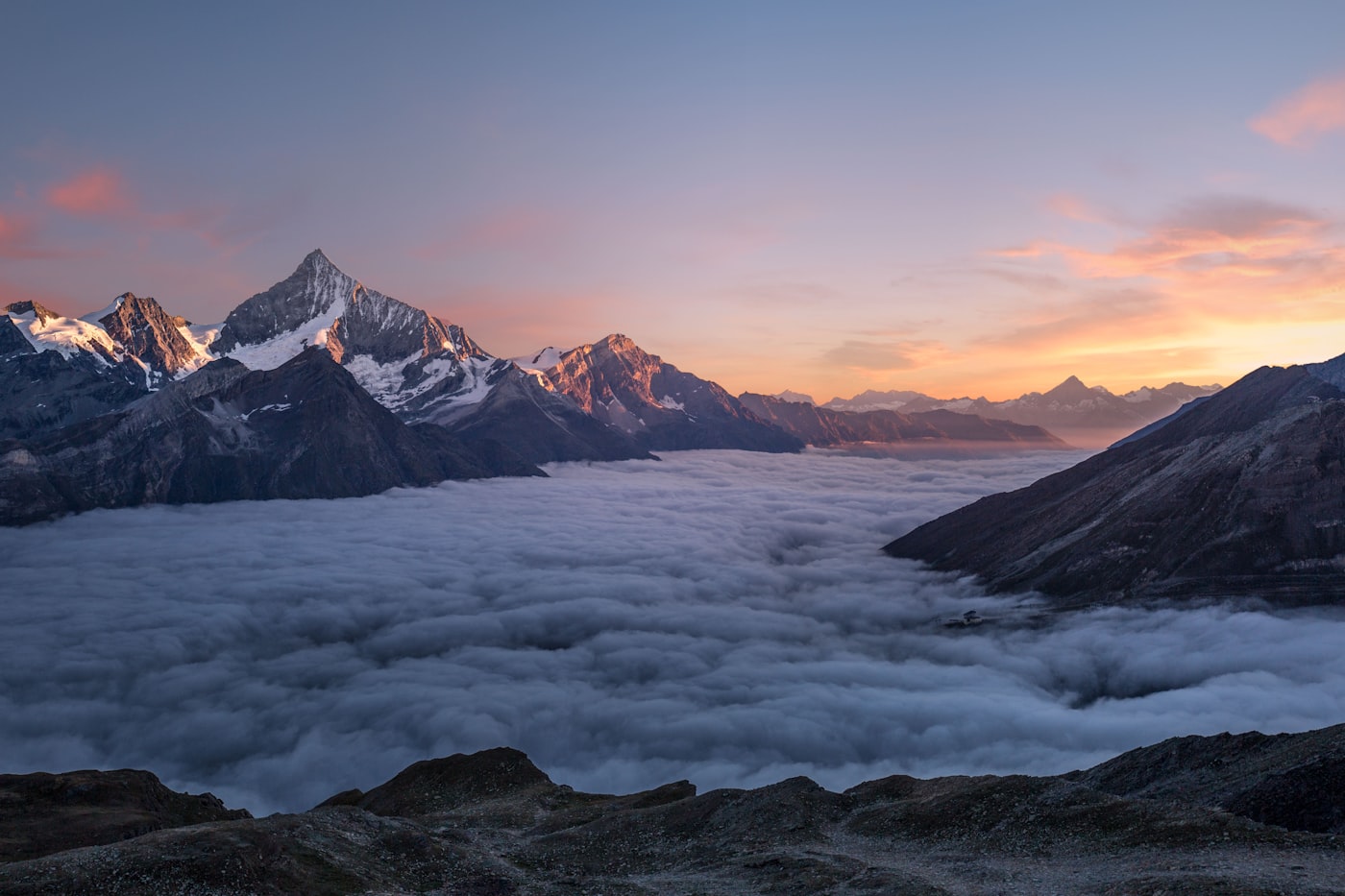
Whatever season you pick, the payoff is the early morning. The sun hits the peaks at dawn, and the lakes mirror the color. I learned to get moving before first light, whatever the forecast said, because the best skies usually happen right as the direct sun appears. A clear dawn in autumn is the single best reason to come.
My Bottom Line
For almost everyone, the answer is October for pure views or April for warmth and flowers. Both give you the Gokyo experience at its best. If you can be flexible, guard the middle of those windows and confirm the weather before you commit. Gokyo rewards the person who shows up at the right time, and punishes the one who does not.



