

Best Time to Visit Funafuti
I have spent more hours than I care to count checking weather charts for tiny islands, and Funafuti is one of the few places where I had to rethink how I plan a trip entirely. The capital of Tuvalu is a narrow strip of coral and sand wrapped around a lagoon, so close to the equator that the seasons barely shift. There is no snowy month, no dramatic spring, no fall foliage. What matters instead is rain, wind, and the occasional cyclone. Let me walk you through what I learned so you can pick the window that actually suits you.
The short answer
If you want the driest, calmest and most comfortable weather for snorkeling, boating and wandering the village, aim for the months from May to October. That is the cooler dry season of the South Pacific, when the trade winds blow steadily, the humidity eases slightly, and the lagoon stays inviting rather than sweltering. I found the water clear and the skies mostly blue during this stretch, and it is the window most returning visitors will mention first.
How the seasons actually work here
Funafuti sits only a few degrees south of the equator, which means the temperature basically stays in the high 70s to high 80s Fahrenheit all year. The real difference between seasons is rainfall and wind. The wet season runs roughly from November through March, when it is warmer, more humid, and prone to heavy afternoon downpours and stronger storms. The dry season from about May to October brings steadier trade winds, mornings that feel fresh, and much less rain. April and November are the messy transition windows where either pattern can show up.
Why I rate the dry season so highly
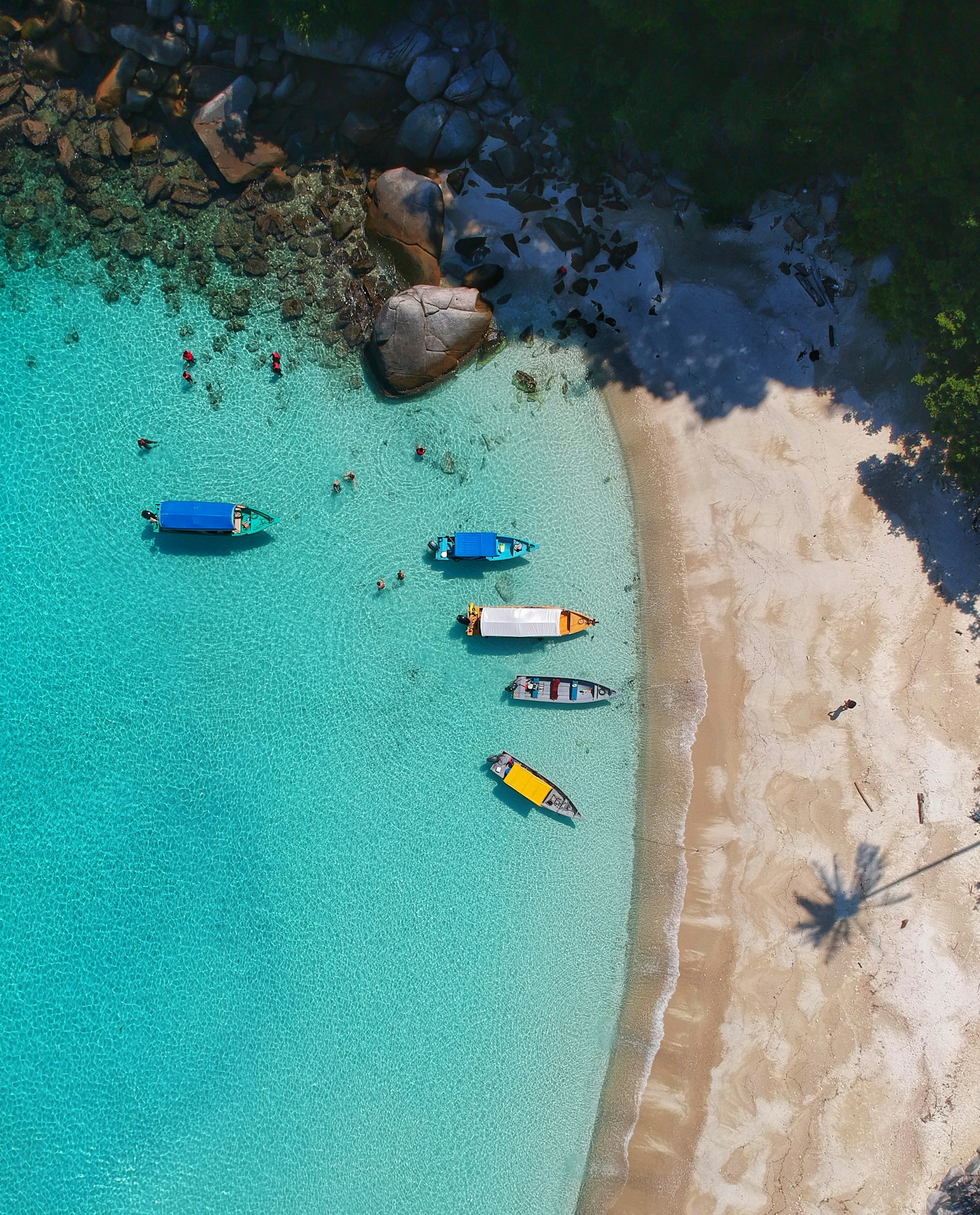
Most of the best things to do in Funafuti happen on or near the water, so weather matters more here than almost anywhere else I have traveled. In the dry season the lagoon is calmer and clearer, which makes snorkeling and swimming genuinely better. The trade winds keep the air moving, so long walks along the shoreline do not turn into a sweat session. I also found the light lovely in these months, soft in the morning and golden toward dusk, which made the whole atoll feel even more beautiful than I expected.
The cyclone factor you cannot ignore
Because Tuvalu sits in the path of the South Pacific cyclone season, the period from roughly November to April carries a real risk of severe storms. The odds of a direct hit in any given week are low, but the damage can be severe when one does arrive, and low lying atolls are the most exposed places on Earth. If you book between November and March, buy travel insurance with good cancellation and weather coverage, and keep a flexible itinerary. I always check the latest storm outlook before committing to any wet season date.
What it is like in the wet season
The wet season is not unlivable, it just asks more from you. It is hot, sticky and humid, and rain often arrives as short, heavy bursts that soak everything and then clear just as quickly. I have had beautiful sunny mornings followed by a wall of rain by lunch. Flights into Funafuti are infrequent, so that storm can also disrupt the single weekly connection out of Fiji, which is worth remembering when you plan your buffer days. On the plus side, the wet season is the quietest and often the cheapest time to visit, with fewer travelers spread across the atoll.
Month by month at a glance
May to October are my favorites, dry, breezy, and clear, with June and July often the most pleasant overall. April and November are transition months that can go either way. December through March are the wettest and warmest, with the highest cyclone risk, but also the emptiest beaches and the best deals. Whenever you come, pack for strong sun, steady humidity, and sudden rain, because Funafuti can throw all three at you in a single afternoon.
When the diving is at its best
If snorkeling and diving are why you are coming, the dry season is again your friend. The calmer winds mean cleaner, more settled water in the lagoon and around the reef, which makes underwater visibility noticeably better. I heard from a local diver that the clearest weeks tend to fall in July and August, though the reef life here stays vivid for much of the year. Even the shallow channels near the islets held plenty of color and activity during my visit, and I hardly needed to go deep to be rewarded.
The quiet local festivals
Tuvalu celebrates its national culture with an Independence Day on the first of October, and it is one of the most lively times to be on Funafuti. The whole atoll gathers for traditional dancing, feasting, and community events that visitors are warmly welcomed to enjoy. The lead up sees practice sessions in the open air and a real festive energy. If you can time part of your trip around this celebration, you get the best of the dry season weather and a deep, joyful look at island culture in the same week.
Planning your flights and stay
Funafuti is one of the most remote capitals on the planet, reached by a single flight from Fiji that runs only a few times a week. I recommend arriving with several days of slack so you are not scrambling if the weather shifts. Reserve your lodging well ahead, options are limited, and plan your days around the lagoon and the villages across the islets. With the right timing and a little patience, Funafuti rewards you with some of the warmest, clearest water you will find anywhere, and that is a reward worth waiting for.



