

Best Time to Visit Dushanbe, Tajikistan
People asked me constantly, before I left, when the right time to visit Dushanbe was. I gave an answer then and I have a better one now that I have actually lived through the seasons. The short version is that spring and early autumn win. The long version depends on what you want to do with your days, so let me walk you through each part of the year.
Dushanbe sits in a valley with hot, dry summers and cold, foggy winters. Because the mountains around it control the weather, the city swings more than you might expect from latitude alone. That matters for how you plan, so here is the honest breakdown.
The Best Months Overall: April to June
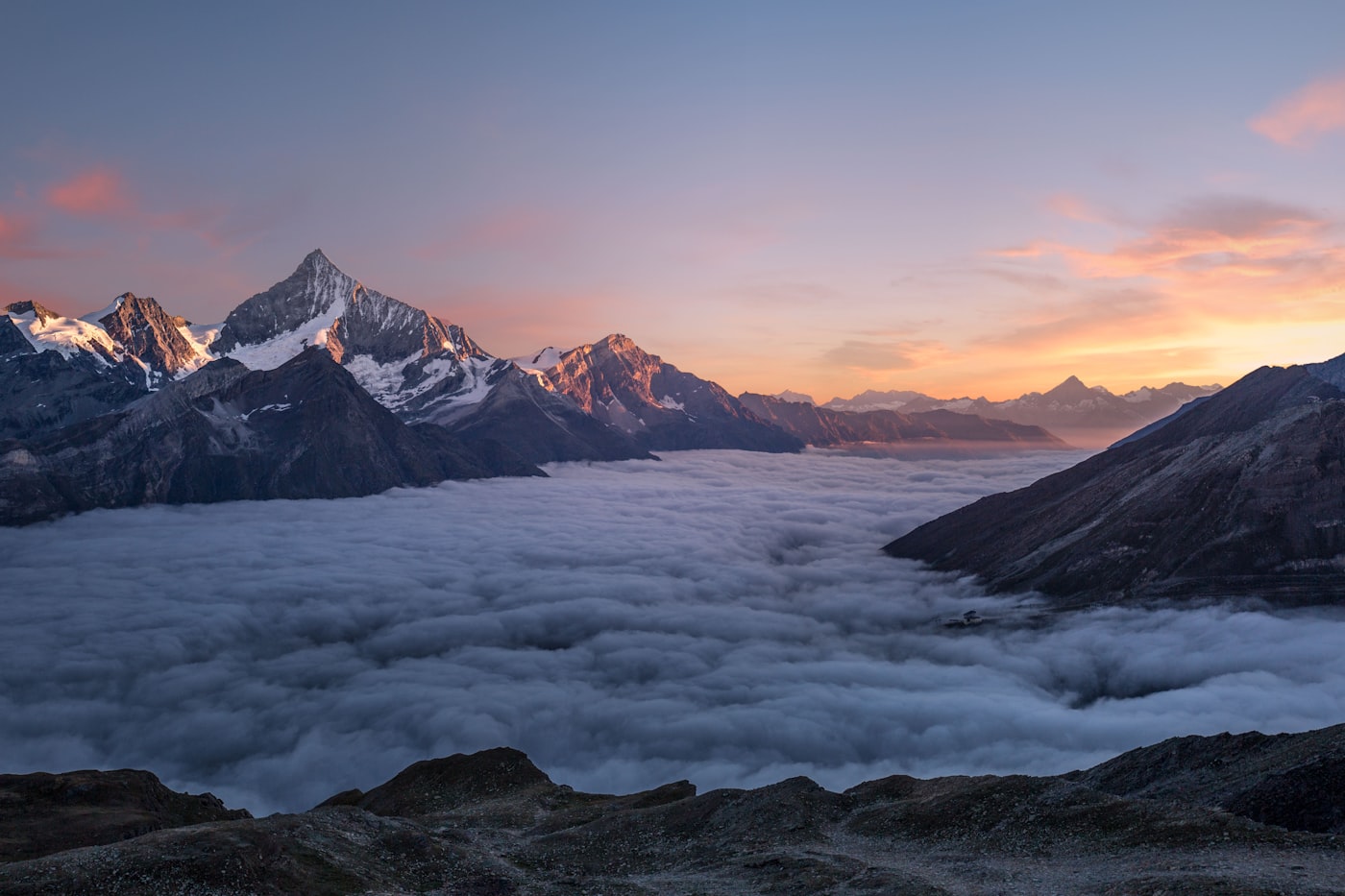
For most people, late April through June is the sweet spot. Days climb to a comfortable warmth, the trees are green, and the Hisor mountains still carry snow on their peaks, which makes the views dramatic. I walked everywhere in May without a jacket and without sweating through my shirt. Spring brings the Navruz festival in March and various cultural weekends that gave me a lot of free entertainment.
Rain is possible but usually comes as a short afternoon shower, then clears. The bazaars are full of early fruit in June: apricots first, then cherries and mulberries. If you like exploring on foot with light layers and few crowds, this is your window.
One thing I will flag about spring is that the mountain passes into the Fanns can still be holding snow in April, so serious hiking might wait until May for most people. For a pure city visit it barely matters. If your plan is a blend of city and high trails, early May threads the needle between too much snow and too much heat.
Early Autumn: September and October
September is my personal favorite. The worst of the heat has broken, the evenings turn cool, and the sky stays a deep, clear blue. I found the mountains crisp for hiking and the city gardens at their most relaxed. Melons and pomegranates flood the bazaar, and the colors in the parks make every walk feel worthwhile.
October holds up well for the first half. Days turn cooler and demand warmer clothes, and the summer crowds are gone. If you are heading on to the Pamir, late September is also practical because the passes are usually still open. Just watch the forecast, because the first cold snap can arrive by the end of the month.
Summer Heat: July and August
Honest talk about July and August: it gets hot. I spent days over a hundred degrees Fahrenheit, and the afternoon sun is punishing if you are out walking. If you must come in summer, plan your sightseeing for the morning and early evening, and do your heavy indoor time in the museum or in a tea house in the afternoon.
The saving grace is that summer means the mountain gorges are at their best. The Varzob valley, where locals flee the heat on weekends, has swimming and shade. If your main goal is hiking in the Fann or Hisor mountains, summer is when the highest trails open. So summer is less about Dushanbe itself and more about using it as a base.
Winter: November to February
Winter is the quietest season and not for everyone. Days are short, commonly gray, and fog can settle over the valley for stretches. I had mornings when I could not see the mountains at all. The ruined days are fewer than people claim, though. There are crisp, sunny days with sharp light and almost no other travelers.
If you go in winter, the museum and the parks still work, tea houses become genuinely inviting, and the mountains take on snow. Prices are lower and you will have the main sights to yourself. Just pack warm clothes and check that any mountain roads you want are open. Winter rewards the patient, independent traveler who does not need the mountains to be green.
Passing Through on the Way to the Pamir
Many people I met in Dushanbe were passing through on the Pamir Highway trip. For that route, the practical window is June through late September, with July and August the most reliable. If that pairs with your visit, aim for early June or September so you get good Pamir weather and milder Dushanbe days at the same time.
For a pure sightseeing trip to the city itself, I would book for May or for early to mid September. Both give you pleasant walking weather, clear skies and full bazaars with little of the peak-season hassle. Avoid late summer if you dislike heat, and avoid deep winter if you dislike cold.
The final word is simple. Come in spring for the green and the festivals. Come in fall for the cleanest weather and the harvest. And if you land outside those windows, you can still have a fine time. Dushanbe does not need perfect weather to be worth your days. It just needs a little planning on your part.



