

Best Time to Visit Drakensberg: A Season by Season Guide
The Drakensberg is a year round mountain, but the season you choose decides whether you hike in sunshine or dodge thunderstorms. I have walked these trails in summer and in the crisp dry winter, and both are wonderful in their own way. This guide will help you pick the window that fits your plans.
The Dry Season, Winter from May to October
Winter is my top recommendation for serious hikers. From May through September the skies are reliably blue, the days are cool and bright, and the famous high passes around the Amphitheatre are at their most accessible. I walked the Tugela Gorge in winter and never once worried about rain. Nights are cold, sometimes below freezing, so solid layering and a warm jacket are essential, but the clarity of the views is worth every extra layer.
Summer from November to April
Summer turns the Berg lush and green, with waterfalls running full and wild flowers everywhere. But it is also the storm season. In December, January and February, thunderstorms roll in most afternoons, and I learned to plan my walks for the morning and be off exposed ledges by early afternoon. The heat at lower altitudes is pleasant and the swimming pools are glorious. Just respect the lightning, because the mountains are famous for it.
Autumn and Spring Shoulder Seasons
April and May are superb, with warm sunny days, clear skies and most of the storm risk passed. I found the autumn colours soft and golden and the trails quiet. September and October, the spring, bring warmer days and wild flowers, though the tops can still feel wintry. These shoulder months give you the best balance of stable weather and mild temperatures, and they are my favourite all round pick.
Snow Days in the Mountains
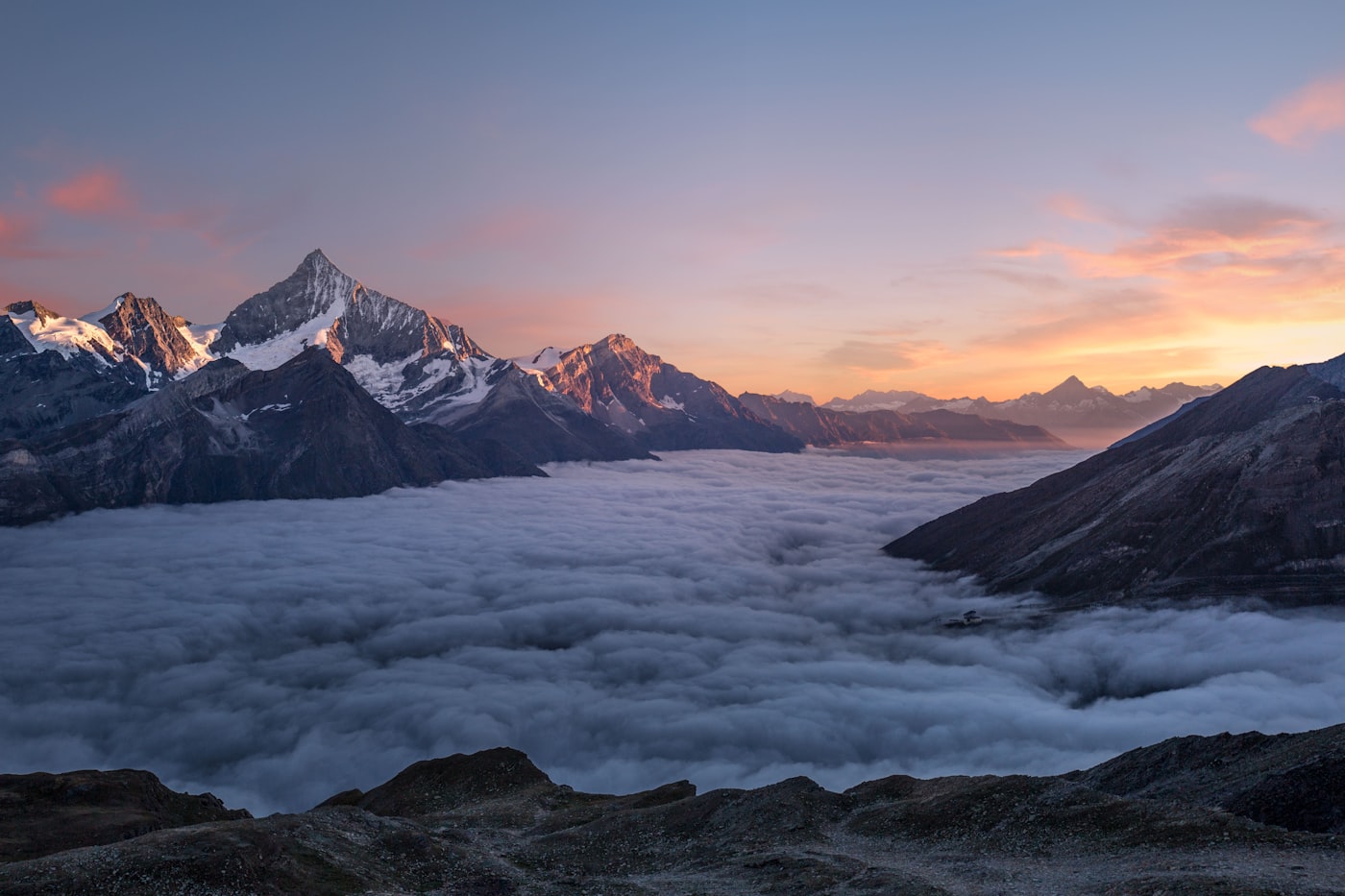
Every few winters, snow dusts the high peaks, and on a lucky morning you wake to a white Amphitheatre. I happened to catch a light snowfall once and it was unforgettable. These conditions are rare and change plans fast, so check forecasts and local ranger advice before heading out if you travel in the cold months. For most people, a snow capped Berg view from the lower trails is the dream sighting.
Practical Season Tips
Whatever season, pack in layers because mountain weather shifts quickly. In summer, start early to beat the storms and carry a raincoat. In winter, bring a warm hat, gloves and a solid jacket for the mornings and evenings. Sunscreen is important all year because the altitude intensifies the sun, and good boots and plenty of water never go out of season. Always tell your lodge your route before heading off.
A Month by Month Quick View
May to October gives dry, clear, cool days, my recommended window for hiking. April brings mild, settled, golden weather. November and December warm up with growing storm risk and green scenery. January and February are hot with daily thunderstorms. September and October are spring swings with flowers and changeable tops. That simple map has guided every trip I have planned there.
Holiday Crowds and Booking Ahead
South African school holidays in April, July and December bring families to the Berg in numbers, and the popular lodges and trails fill up fast. I made my bookings around the holiday dates and found far more space and shorter queues. If you must travel in these weeks, reserve accommodation months ahead and start your hikes earlier than usual to stay ahead of the crowds on the marquee trails.
Safety and Conditions by Season
Winter offers calm, safe hiking but cold winds on the high ridges, so check exposure before setting out. Summer demands real respect for the lightning on exposed ground, and I never lingered on a summit when thunder rumbled. Freeze and thaw cycles in autumn can leave early morning trails icy, so I waited for the sun before tackling chain ladders. Checking the daily conditions with the park office removed almost all my guesswork in every season.
What to Expect on the Tops
The high plateau above the cliffs is its own world, whatever season you reach it. I found the air thin and the wind constant, and the weather on top can differ sharply from the warm valley you left an hour earlier. On a clear day the views sweep across Lesotho and the entire escarpment, and it is worth every effort. Just carry a windproof layer and remember that conditions above the cliffs decide for you, not your calendar.
Staying Flexible
Standing on the rim I realised that the Drakensberg rewards flexibility above all. If winter brings snow, the lower trails turn magical, and if summer brings storms, the afternoon becomes a welcome rest break. I learned to treat the forecast as a suggestion and my plans as adaptable. That flexibility turned every season’s weather into part of the adventure rather than a frustration.
My Final Thought
There is a Drakensberg for every season, and you cannot really go wrong. For comfortable, reliable hiking I would return in the winter dry season or the golden months of April and May. For lush green beauty and river swimming, summer is a joy if you keep an eye on the sky. Whatever you choose, pack for change and keep an open mind, and the mountains will do the rest.



