

Best Places to Visit in Tirana, Albania
I first came to Tirana for a long weekend and left wondering why the city was not on every European itinerary. It is a capital light on crowds and heavy on character, a chaotic, colorful jumble of Ottoman, Italian, and communist history that has reinvented itself as one of the liveliest cities in the Balkans. After several visits, these are the places I would not skip, in the order they won me over.
Skanderbeg Square
Start at Skanderbeg Square, the monumental heart of the city. Renamed and rebuilt after the fall of communism, it is a vast pedestrian space ringed by the sights that define Tirana: the Et’hem Bey Mosque, the clock tower, the National Opera, and the equestrian statue of the national hero at its center. I loved it at every hour, but especially after dark, when the buildings are lit and the square fills with families and skateboarders. It is the perfect first and last stop, a place to orient yourself and to end your evenings.
The Et’hem Bey Mosque and clock tower
Just off the square, the Et’hem Bey Mosque is one of the few places of worship that survived the communist era intact, and its hand-painted frescoes of trees, rivers, and scenes of nature are unusual and beautiful. Beside it, the Ottoman-era clock tower offers a climb to the top for a classic view over the square and rooftops. I climbed it mid-morning when the light was good and it was quiet, and the scene below, mosque and ministry and markets all together, summed up Tirana’s layered history in a single frame.
Bunk’Art, the history you should not miss
For the story behind everything you see, go to Bunk’Art. The main museum is set inside a massive, five-story Cold War bunker carved into a hillside, built to shelter the country’s political and military leadership in the event of an attack. Its tunnels now hold vivid exhibits on Albanian communism, from daily surveillance to the machinery of state control, and I found it as moving as it was disturbing. There is a second Bunk’Art in the center near the university. Allow a few hours; it is the most important museum in the country.
The Pyramid of Tirana
The Pyramid, as everyone calls it, was built in 1988 as a museum to the dictator Enver Hoxha and is now the city’s most contested landmark. For years it was a beloved bit of urban mischief, with locals and travelers simply climbing its sloping concrete sides to the top for a free view over the center. I did exactly that and loved the slightly rebellious feeling of it. The Pyramid is being redeveloped into a cultural hub, so its future is changing, but it remains a true Tirana icon worth a look.
Mount Dajti and the Dajti Express
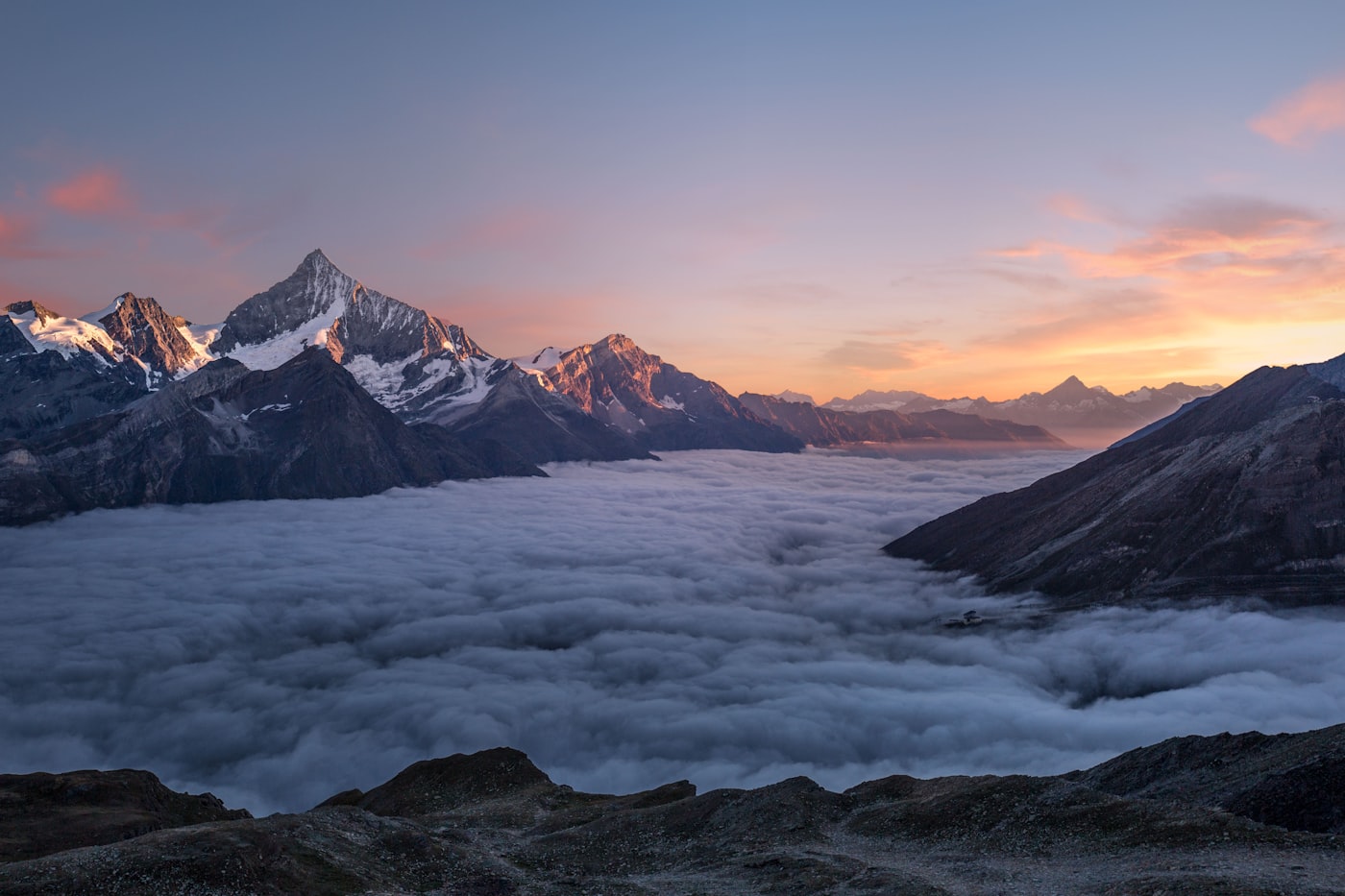
For the best view in the country, take the Dajti Express cable car up Mount Dajti. The ride rises quickly above the valley, and from the top, on a clear day, you can see the entire capital spread out below with the Adriatic shimmering to the west. Up there I found walking trails under the pines, a mountain lodge with a wood-fired restaurant, and clean, cool air that felt a world away from the traffic below. Go early for the clearest air and bring a layer, because the summit is noticeably cooler than the city.
Blloku, the once-forbidden quarter
Just south of the center, Blloku was the walled-in neighborhood of the communist elite, and locals were barred from it for decades. Today it is Tirana’s most fashionable district, its lanes packed with cafés, bars, craft shops, and some of the best restaurants in the city. I spent long afternoons and evenings here, hopping between terraces and watching the city’s social life unfold. It is the perfect place to eat, drink, and simply be, and it comes alive particularly after dark.
The Grand Park and the artificial lake
When I needed a break from the buzz, I headed south to the Grand Park, the city’s great green lung. The artificial lake is ringed by a shaded walking and cycling path, and on warm days it is full of families, joggers, and people picnicking under the plane trees. I walked the full loop slowly and stopped at a lakeside café, and it became my favorite way to reset. Come in the late afternoon or early evening for the best light and the most relaxed atmosphere, and if you have kids, this is the place.
Hidden corners worth your time
A few smaller places round out a perfect visit. The house of Enver Hoxha, the former dictator’s brick residence in Blloku, is a strange, somber relic worth a quiet walk past. The New Bazaar near Skanderbeg Square is a restored market district where I ate the best byrek in the city and grazed on cheese and olives. And the colorful painted facades on some communist-era blocks, part of a famous city beautification project, turn ordinary streets into open-air galleries. Seek out at least one of each.
For meals, I never left hungry. Byrek, tavë kosi, and grilled meats all deserve space on your table, and the city’s coffee culture is serious enough to plan afternoons around.
Final thoughts
Tirana is not a city that tries to impress you with polish, and that is precisely its charm. It is honest, energetic, and proud of how far it has come, and the layers of its past are always visible in the present. Start at the square, go underground into its history, climb the mountain for perspective, and leave plenty of time to just sit in a café and watch. I found that the more I looked, the more the city gave back.



