

Best Places to Visit in Majuro, Marshall Islands
I landed in Majuro expecting a sleepy speck of land, and instead I found an island that hums with life from the moment the sun clears the lagoon. The capital of the Marshall Islands is basically one long ribbon of coral, with a deep lagoon on one side and open Pacific on the other, and nearly every resident lives within a stone’s throw of salt water. I came for a week and stayed twice that long, and I am convinced that Majuro rewards the traveler willing to go a little slower. Here are the places that won me over, in the order I keep recommending to everyone who asks.
Laura Beach at the West End
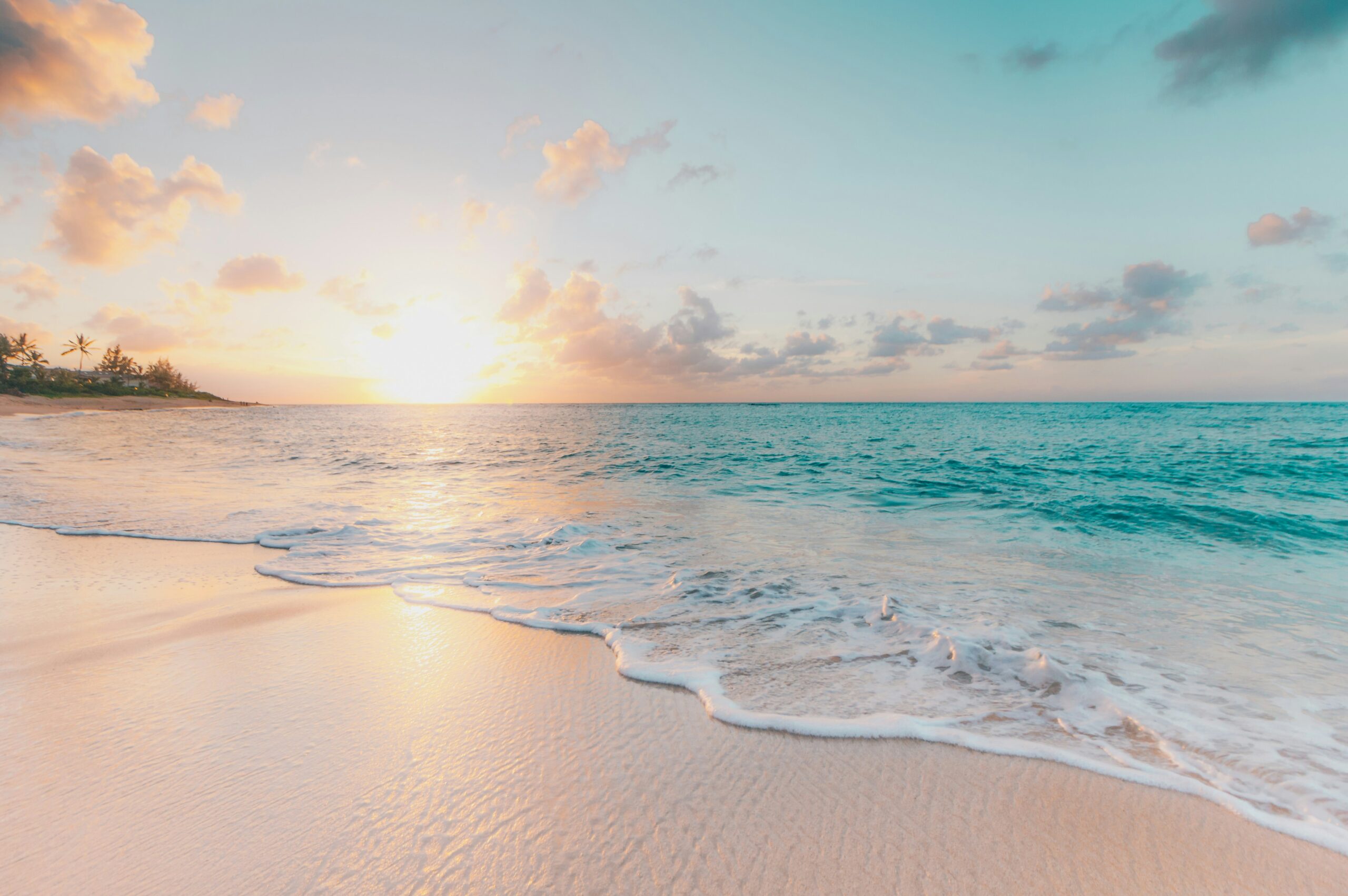
Drive to the far western tip of the atoll and you reach Laura Beach, the stretch of sand that locals will name first. The road hugs the lagoon the whole way, past villages where kids wave from porches and laundry flaps in the trade wind. Laura is the widest, whitest beach on Majuro, and the water here is so calm that you can wade out for fifty meters and still see your toes. I brought a snorkel mask and drifted over seagrass where juvenile parrotfish darted below me. Go on a weekday morning if you can, when you may have the whole shoreline to yourself. Be mindful that the lagoon side is gentle but the ocean side is not, and the southern surf has a serious undertow.
The Alele Museum and National Archives
For a country this small, the story it holds is enormous, and the Alele Museum in Uliga packs it into one tidy building. I wandered the exhibits on stick charts, the woven navigation maps that Marshallese sailors used to read swells and islands across vast open water, and I stood a long time trying to understand them. There are outrigger canoes, hand-woven mats, and photographs that show how the islands looked a century ago. The staff are warm and generous with their time, and I ended up talking with a curator for an hour about family histories. Give yourself at least ninety minutes, and buy something from the gift shop, because the crafts are made by local artisans whose skills deserve support.
Dalap Islet and the War History
Majuro saw real action in the Second World War, and the reminders sit right in the open. Near Dalap, and across the islets of the eastern arm near Rita, I found rusting WWII bunkers, abandoned guns, and the hulks of war-era aircraft half swallowed by vegetation. You can walk to several of them on foot, but a local guide makes the experience far richer. My guide pointed out the pillbox where US marines landed and the airstrip the Americans rebuilt after taking the atoll in early 1944. I am not usually a war-history person, but standing beside a barrel that had sat in the sun for eighty years made the past feel close and human. Ask around the Uliga guesthouses and someone will know a guide who grew up on those stories.
Snorkeling the Lagoon Reefs
The lagoon itself is the real attraction, and the reefs near the islets off the east end deliver the best snorkeling I found without a boat trip. The coral is healthy in spots where the current cleans it, and I swung through schools of golden trevally, a resting green turtle, and a huge Napoleon wrasse that had no interest in my presence. Rent a mask and fins from a dive operator on the main road, because the local shops carry exactly what you need. The live-aboard scene from Majuro is famous for open-ocean encounters, but you do not need a live-aboard to have a good day. Even from shore, at high slack water, the lagoon reef holds plenty of color and movement.
Local Life at the Delap Market and Uliga Shops
Any trip worth taking includes the places where people actually live, and Majuro delivers in the form of produce stalls, small bakeries, and the everyday bustle of Uliga. I made a habit of buying fresh breadfruit and bananas from the morning stalls, then sitting in the shade to watch the trucks roll past. The people are what stay with you. Everywhere I went, someone offered directions, a ride, or a story. Pay attention to the Marshallese phrase bar, which simply means whole or complete, and you will feel the difference between hurrying and actually being there.
Practical Notes for Visitors
Plan around the weather, because the rain comes quickly and leaves just as fast. The dry season runs roughly from December through April, and that is the most comfortable window for a first visit. Cash is king in Majuro, so bring enough US dollars with you, though most main hotels and restaurants take cards. The lagoon-side breeze is a blessing, but bring reef-safe sunscreen and repellent. Budget at least four or five days if order and connections matter, and remember that everything moves on island time. There are no dramatic monuments or fancy resorts here. What Majuro offers instead is a genuine, unhurried slice of Pacific life, and I found that worth more than any landmark. Start at Laura, take your time in the lagoon, and let the island set the pace.



